SMPTE Cable infrastructure manufactured and configured by Fibre Systems represents the absolute primary lifeline for high definition television production, outer broadcast vehicles, remote sporting coverage, and massive stadium entertainment setups worldwide. In high pressure live broadcasting environments, a single unexpected drop in signal continuity destroys the entire viewer experience, burns through massive production budgets within seconds, and creates immediate operational panic across control rooms. Broadcast engineers and technical directors understand clearly that optical performance cannot be compromised when millions of global audience members are watching a live event in real time.
Understanding the precise role of hybrid cabling systems helps broadcast teams systematically prevent operational catastrophe long before the cameras ever start rolling for a major production. A standard SMPTE Cable integrates dual single mode optical fibres for pristine, uncompressed video transmission directly alongside heavy duty copper conductors that deliver vital auxiliary power and control signals to field camera units. When airborne dust, excessive physical pulling tension, or mechanical crushing damages these sensitive internal glass and copper elements, the resulting signal loss disrupts live camera feeds instantly. Protecting these vital optical transmission lines requires a complete mindset shift away from fragile commercial cabling and toward ruggedized optical infrastructure engineered explicitly for harsh field operations and rapid daily spooling.
Why Every SMPTE Cable Demands Ruggedized Engineering
Live broadcasting environments present severe physical challenges and relentless operational punishment that standard commercial optical leads simply cannot endure for long. Outside broadcast crews routinely drag equipment setups across rough asphalt, step heavy boots directly on exposed lines during rapid stadium setups, and subject every connector to airborne dust, mud, rain, and extreme temperature fluctuations throughout production multi day schedules. A basic commercial line utterly lacks the reinforced outer jacket materials, physical crush resistance, and mechanical strain relief needed to survive these unforgiving real world deployment pressures.
When a standard non ruggedized assembly fails in the middle of a live sporting event or high stakes musical concert, troubleshooting becomes a massive, stressful time sink for the engineering team on site. Technicians must immediately scramble to locate the damaged section along hundreds of metres of cable, verify whether the underlying fault lies in the delicate optical glass or the high voltage copper power conductors, and rapidly swap out the line while production is stalled.
By choosing heavy duty construction methods for every single deployment, media networks guarantee continuous uptime, effectively protecting both their high end camera hardware investment and their corporate reputation for flawless live transmission. Using a ruggedized SMPTE Cable assembly eliminates these vulnerabilities by shielding delicate components inside tough outer sheaths designed specifically for rapid outdoor unspooling.
Furthermore, temporary outdoor venues subject signal infrastructure to extreme mechanical stress that standard commercial glass cables cannot resist. Every time a vehicle drives over exposed wiring or a technician tightly spools a line around a reel, the internal construction faces severe physical loads. A specialized SMPTE Cable features internal aramid strength members designed to absorb pulling tension, keeping the delicate optical glass completely protected from microbends and structural fractures. Without these protective features, field teams face constant micro failures, unstable picture feeds, and costly emergency cable replacements during crucial broadcast windows.
Key Benefits of Deploying Ruggedized Hybrid Cabling
Upgrading to heavy duty cabling infrastructure transforms outside broadcast operations by providing structural durability and continuous signal performance under pressure. Integrating certified hybrid lines into your deployment inventory delivers clear technical and financial advantages.
- Uncompromised Signal Integrity: Low optical attenuation and precise end face alignment ensure pristine 4K and 8K video transmission without frame drops or visual interference.
- Extended Hardware Lifespan: Durable outer jacketing and internal strength members prevent mechanical stress from damaging delicate glass cores during frequent spooling.
- Reliable Remote Camera Power: High purity copper conductors deliver consistent voltage across long cable runs, keeping high end cameras fully powered without overheating risks.
- Rapid Setup and Tear down Efficiency: Superior cable flexibility prevents twisting, kinking, and internal wire memory, allowing field crews to deploy and wrap lines quickly.
- Weather and Environmental Resistance: Protective outer jacketing shields internal components against UV exposure, extreme temperature shifts, water ingress, and chemical spills.
The Real Cost of Optical Signal Loss in Live Production
Signal loss in a fast paced broadcast environment is never just a minor technical glitch or a momentary inconvenience for the crew. It represents a total system failure that carries immediate, devastating financial and operational penalties for broadcast networks, event promoters, and technical production vendors alike. A compromised SMPTE Cable can cause severe pixelation, sudden frame drops, erratic flickering video, or total blackout on main control room monitors without warning.
- Unexpected production delays and technical pauses that quickly push operational schedules far over budget.
- Irreparable electrical damage to sensitive, expensive camera sensors caused by shorted or frayed copper power lines within cheap assemblies.
- Devastating loss of client trust during high stakes commercial events, live pay per view matches, and international telecasts.
- Excessive, costly labor hours spent manually diagnosing hidden optical microbends and internal glass fractures in non ruggedized assemblies.
Investing in high quality hybrid cabling guarantees that every single line maintains strict signal integrity under extreme physical stress, completely eliminating avoidable field failures and keeping live feeds crystal clear. Every high definition broadcast camera relies on uninterrupted data and power delivery, making the overall strength of your chosen SMPTE Cable setup the true foundation of your live production quality. When broadcast engineering teams standardize their production kits with enterprise grade cabling, they safeguard their operations against unexpected blackout events that could ruin live programming.
Beyond immediate transmission dropouts, chronic signal loss creates subtle operational headaches that drain productivity across entire technical teams. Intermittent video degradation forces technicians to spend valuable pre show setup time troubleshooting optical power levels instead of focusing on creative camera positioning and lighting adjustments. A dependable SMPTE Cable eliminates this guesswork by offering consistent, factory verified signal attenuation across all optical channels. This reliable baseline enables broadcast engineers to establish fast, repeatable connection routines at every new venue without worrying about unexpected signal dropouts right before airtime.
Technical Specifications: Standard Commercial Cabling versus Heavy Duty SMPTE Cable Solutions
Selecting the right cabling infrastructure requires evaluating how different manufacturing styles hold up against environmental hazards, heavy foot traffic, and mechanical stress in the field. Deploying a heavy duty SMPTE Cable gives field operators peace of mind knowing that internal components remain safe despite rough handling. The detailed comparison below highlights key structural differences between fragile standard commercial lines and heavy duty, field ready custom units designed for broadcasting.
| Specification Feature | Standard Commercial Hybrid Cable | Heavy Duty SMPTE Cable Assembly |
| Outer Jacket Material | Standard PVC or basic soft thermoplastic sheath | High flexibility polyurethane with heavy chemical and UV resistance |
| Crush Resistance | Low resistance, easily crushed under foot traffic | Reinforced central strength member and tough protective shielding |
| Connector Retention | Basic latching mechanism vulnerable to accidental pulls | Heavy duty stainless steel locking mechanism with robust strain relief boots |
| Field Reliability | Susceptible to optical microbends and jacket tearing | Engineered specifically for repeated rapid deployment and harsh weather exposure |
| Power Delivery | Basic copper cores prone to overheating and wear | High purity copper lines supporting stable long distance power distribution |
Evaluating these technical differences shows why standard commercial lines consistently fail when exposed to harsh production environments. Commercial assemblies lack the robust structural layering required to protect sensitive optical glass under heavy mechanical stress, whereas a field ready SMPTE Cable is explicitly constructed to withstand severe physical punishment while maintaining perfect signal continuity.
Key Causes of Hardware Failure in SMPTE Cable Systems
Preventing sudden video dropouts requires knowing exactly why hybrid assemblies degrade and break over time. The combination of delicate optical glass and electrical copper wiring squeezed inside a single outer jacket makes these specialized cables uniquely sensitive to improper field handling, poor wrapping practices, and harsh operational environments. Understanding how a SMPTE Cable fails allows technical directors to implement preventive care protocols across their entire technical crew.
1. Mechanical Strain and Bending Damage
Optical fibres inside a SMPTE Cable require absolute adherence to minimum bend radius guidelines during both installation and storage. When camera operators pull lines too sharply around sharp metal corners or wrap them too tightly around narrow cable reels, the internal glass experiences severe microbends. These tiny, invisible fractures scatter the light signals travelling through the core, causing immediate video degradation, high optical loss, or complete signal dropouts.
2. Connector Contamination and Ferrule Damage
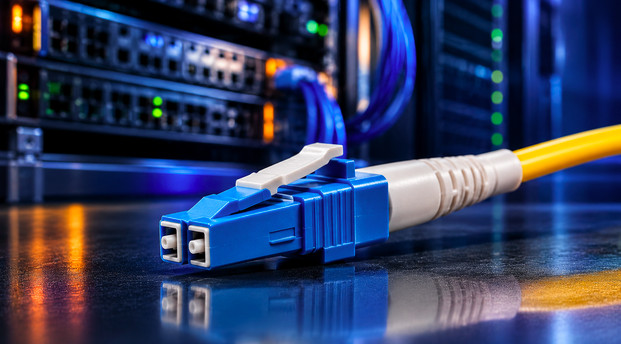
Airborne dust, dirt, and oil are the ultimate enemies of high speed optical performance in outside broadcasting. In outdoor venues and temporary stadium setups, fine airborne dirt easily settles on exposed connector ferrules whenever protective caps are left off. Plugging a dirty connector directly into a camera base unit grinds hard dust particles straight into the optical glass end face, creating permanent physical scratches that require expensive lab re-polishing or complete termination replacement. Protecting each SMPTE Cable with protective dust caps during transport is essential to long term ferrule health.
3. Thermal Stress and Environmental Exposure
Extreme ambient heat and freezing cold cause cable materials to expand and contract at completely different rates during multi day outdoor events. If a SMPTE Cable uses low grade outer jacketing materials, constant sun exposure can soften the protective sheath, making the internal components highly vulnerable to water ingress, chemical degradation from ground fluids, and physical abrasion from rough surfaces. Ruggedized assemblies utilize weather resistant jackets designed specifically to resist ambient thermal stress.
4. Poor Cable Spooling and Coiling Practices
Improperly wrapping hybrid cabling after a production wrap creates severe torsional twist inside the cable jacket. Over repeated production cycles, this physical torsion creates kinks that crush the internal copper conductors and stress the optical glass cores. Training media crews on proper figure eight or over under coiling techniques preserves the internal alignment of every SMPTE Cable, ensuring smooth unspooling during future setup days.
Step by Step Guide: How to Properly Deploy and Maintain a SMPTE Cable
Following strict, standardized handling protocols dramatically extends the working lifespan of expensive optical infrastructure while maintaining perfect signal quality during every single live broadcast. Incorporating these simple steps into your standard operating procedures ensures that every SMPTE Cable in your inventory maintains peak operational performance year after year.
- Inspect All Connectors Before Mate Alignment
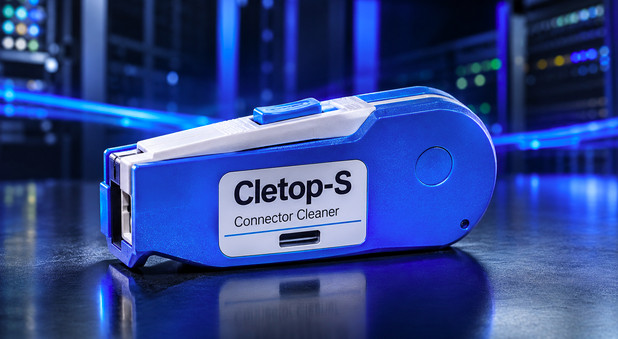
Always carefully examine connector ferrules using a specialized optical inspection microscope before plugging them into broadcast cameras, patch bays, or field reels. Clean any visible micro dust or oil contamination thoroughly using lint free dry wipes and approved optical cleaning solvents. - Verify Minimum Bend Radius During Line Placement
Unspool lines smoothly from protective reels without twisting the cable or pulling it forcefully against sharp structural obstacles. Ensure that every single SMPTE Cable routing pathway maintains wide, smooth curves to completely prevent physical strain on the delicate internal glass cores. - Secure Cable Runs with Protective Heavy Duty Ramping
Cover all exposed cable sections running across high foot traffic zones, vehicular pathways, and loading docks with heavy duty rubber ramps. Protecting lines from heavy vehicle tires and pedestrian boots prevents sudden crushing damage during multi day outdoor event setups. - Perform Continuity and Optical Power Testing Post Production
Test both optical attenuation levels and copper power continuity using calibrated field test kits immediately after wrapping up a broadcast production. Identifying minor signal degradation early allows technicians to schedule maintenance before sudden failures happen on the next live job. - Clean and Cap Connectors Immediately Upon Disconnection
Never allow exposed optical end faces to dangle loosely or rest directly on ground surfaces during production teardowns. Applying protective caps to every SMPTE Cable connector immediately after uncoupling keeps dust out and preserves glass surface integrity.
How Field Ready SMPTE Cable Architecture Eliminates Production Downtime
To maintain continuous, high bandwidth transmission during fast paced live sports, outdoor festivals, and breaking news events, elite engineering teams rely on purpose built hybrid assemblies designed for extreme endurance. Deploying enterprise grade SMPTE Cable inventory gives broadcast crews ultimate confidence that video, audio, talkback, and camera power remain completely stable throughout long, demanding production cycles.
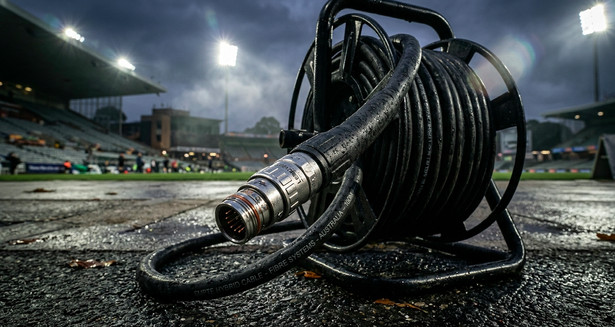
Modern field ready assemblies utilize advanced polyurethane outer jacketing to resist gouges, tears, chemical spills, and intense UV degradation. Deep inside the cable construction, high tensile strength aramid members absorb pulling tension, ensuring that sensitive optical glass cores never bear direct physical load during rapid setups and pack downs. These engineered features guarantee that every SMPTE Cable delivers maximum optical performance even in high pressure, chaotic live production environments.
In addition to superior structural shielding, modern hybrid cabling relies on specialized connector housings built from high grade stainless steel or heavy duty plated alloys. These connectors incorporate heavy rubber strain relief boots that distribute mechanical bending forces away from the delicate termination point. When camera operators move heavy equipment around sports arenas, a ruggedized SMPTE Cable connector absorbs the physical movement without transferring strain to the internal optical terminations, preventing signal loss during live camera movement.
Furthermore, integrating color coded tagging and clear length identification markers onto each custom assembly simplifies field inventory management. When managing large outside broadcast fleets with dozens of active lines, quick visual identification ensures that technicians select the exact SMPTE Cable length required for a specific run, avoiding excess slack loops that create trip hazards and unnecessary signal attenuation.
Compliance and Telecommunications Safety Standards
All fixed broadcast wiring, permanent stadium cabling, and commercial facility installations must strictly conform to national regulatory standards to guarantee electrical safety, fire resistance, and network reliability. Mandatory compliance frameworks enforced by the Australian Communications and Media Authority establish clear rules for customer cabling, grounding, and telecommunications infrastructure across all commercial and industrial sites.
Adhering strictly to these official regulatory frameworks guarantees that installed cabling infrastructure satisfies mandatory safety benchmarks while preventing electrical interference with nearby communications equipment. Professional broadcast installers always specify fully certified materials to pass regulatory compliance checks and guarantee complete long term operational safety. When deploying a fixed SMPTE Cable installation in public venues or permanent studio setups, meeting these regulatory wiring codes protects venue operators from compliance liability and ensures long term operational authorization.
Long Term Operational Benefits of Deploying Certified SMPTE Cable Infrastructures
Upgrading to superior hybrid cabling offers massive long term operational advantages and cost savings for broadcast networks, production companies, equipment rental houses, and outside broadcast specialists. High quality infrastructure minimizes emergency repairs and protects high end field gear.
- Exceptional Optical Performance: Low insertion loss metrics and minimal back reflection keep multi camera video feeds completely crystal clear across extended transmission distances.
- Reduced Capital Expenditure: Heavy duty construction prevents frequent cable replacement cycles, directly lowering annual equipment replacement budgets.
- Rapid Deployment Flexibility: High flexibility outer jacketing allows fast unspooling and easy repacking without creating kinks, twists, or permanent internal wire memory.
- Enhanced Electrical Safety: Superior copper insulation and grounding prevent short circuits, fully protecting expensive studio cameras and base station control units.
By standardizing on robust SMPTE Cable options across every broadcast rig, production managers build a bulletproof transmission backbone capable of effortlessly supporting the most demanding live broadcast schedules. The durability of a high grade assembly ensures that media teams can reuse their cabling inventory across hundreds of productions without experiencing signal loss or structural degradation.
Investing in top tier hybrid infrastructure also boosts operational efficiency across entire technical crews. When technicians know that every SMPTE Cable in their equipment cases is fully reliable and factory tested, setup times drop significantly. Crews spend less time running diagnostic tests or replacing faulty lines in the field, allowing broadcast teams to dedicate their full energy toward delivering exceptional live programming for their clients.
Summary of Essential Best Practices for Hybrid Cable Care
Maintaining hybrid cabling performance across years of field use requires disciplined handling, systematic testing, and proper storage protocols. The checklist below outlines essential practices every technical team should follow to maximize system reliability.
- Always clean optical end faces with specialized dry wipes before mating connectors.
- Never exceed the manufacturer minimum bend radius during deployment or coiling.
- Store inventory on large diameter spools with protective dust caps securely attached.
- Protect temporary ground runs using heavy duty rubber ramps in high traffic areas.
- Conduct post event optical attenuation and copper power testing to detect early wear.
Frequently Asked Questions
What makes a SMPTE Cable different from a standard fibre optic cable?
A SMPTE Cable is a specialized hybrid assembly containing dual single mode optical fibres for high speed data transmission alongside insulated copper conductors that deliver auxiliary power and control signals directly to broadcast cameras within one ruggedized outer jacket.
How do dirty connectors affect my SMPTE Cable signal quality?
Microscopic dust, dirt, and skin oils resting on optical ferrules block light transmission, cause high insertion loss, create severe signal reflection, and scratch delicate glass end faces, leading to unstable video feeds and permanent hardware destruction.
Can a damaged SMPTE Cable be repaired in the field?
While basic connector cleaning can be done on site, physical damage to internal glass fibres or severed copper power conductors requires professional shop re-termination, specialized fusion splicing, and full laboratory testing to safely restore original broadcast performance standards.
What is the maximum recommended distance for a SMPTE Cable run?
The maximum operational distance depends on total power draw from the camera and signal loss thresholds across optical connections, but high quality SMPTE Cable setups easily support distances over two kilometres while delivering stable power and pristine uncompressed video.
How should I store my SMPTE Cable inventory during the off season?
Store every assembly on dedicated large diameter reels or clean cable trunks in a climate controlled environment. Always ensure that protective caps are firmly installed on all connector ends to keep out dust and moisture while your SMPTE Cable inventory is in storage.
Protecting Your Broadcast Assets with Superior Cabling Solutions
Eliminating costly signal dropouts and catastrophic equipment failures requires relying on professional cabling infrastructure built specifically for tough field conditions. Integrating high quality SMPTE Cable solutions guarantees smooth transmission, total operational stability, and outstanding long term ROI for every major live event.
For custom project quote requests, technical specifications, and expert advice on broadcast grade assemblies, feel free to get in touch through our contact us page. Explore our complete range of optical solutions directly on our products page today.