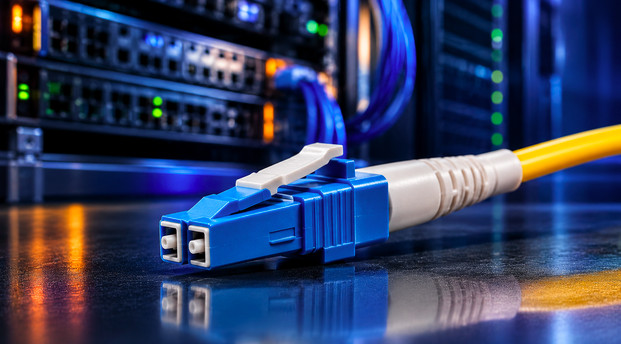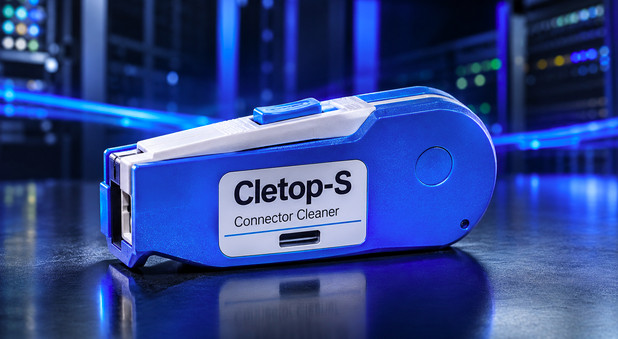
Cletop-S Series Connector Cleaner units supplied by Fibre Systems deliver professional dry-cleaning solutions engineered specifically for high-density optical fiber networks. An advanced Cletop-S Series Connector Cleaner provides a reliable, solvent-free mechanical cleaning mechanism designed to remove microscopic dust, oil films, and field debris from optical connector end faces. In demanding broadcast environments where high-definition video feeds depend on absolute signal clarity, maintaining pristine ferrule surfaces is critical. Every professional Cletop-S Series Connector Cleaner unit utilizes specially formulated micro-fiber tape systems that trap particulate contaminants without scratching delicate ceramic or stainless steel ferrules.
Field deployments in outdoor production trucks, live stadium events, and mobile broadcast hubs expose sensitive fiber interfaces to harsh particulate contamination. Deploying a dedicated Cletop-S Series Connector Cleaner before every patch connection guarantees optimal optical return loss and eliminates signal attenuation caused by airborne dust. Broadcast engineering teams understand that microscopic particulate matter trapped between mating connectors absorbs and scatters laser light, creating permanent thermal damage on the glass core. Enforcing disciplined cleaning protocols across your operational fleet ensures zero-downtime performance throughout multi-day live broadcasts.
Technical Specifications and Performance Metrics for Optical Cleaning Tools
Evaluating your Cletop-S Series Connector Cleaner specifications helps engineering supervisors select the correct maintenance accessories for mobile and studio patching environments. The following comparison table outlines core operational metrics across standard optical cleaning tool configurations.
| Operational Specification | Standard Cletop-S Series Connector Cleaner | Heavy-Duty Field Cleaning Unit | High-Capacity Studio Maintenance Variant |
| Primary Industry Pain Point | Dust accumulation in mobile patch panels | Oil and grime in outdoor stadium venues | High-volume cleaning across large broadcast fleets |
| Cleaning Mechanism | Anti-static micro-fiber dry cleaning tape | Reinforced lint-free woven cloth ribbon | Continuous advance cassette mechanism |
| Estimated Cleaning Cycles | Over four hundred wipes per tape spool | Over five hundred wipes per cassette | Over six hundred wipes per master reel |
| Ferrule Compatibility | LC, SC, FC, ST, and MU connectors | Standard broadcast hybrid optical connectors | Multi-fiber MT ferrule interfaces |
| Operating Temperature | -20 degrees C to +60 degrees C | -40 degrees C to +75 degrees C | -10 degrees C to +50 degrees C |
Regular physical audits of every Cletop-S Series Connector Cleaner ensure that internal tape advancing mechanisms operate smoothly without jamming. Choosing the appropriate cleaning accessory for your specific venue conditions prevents unexpected maintenance delays during critical event setups.
Understanding Core Risks of Optical Contamination and Insertion Loss
Failing to utilize a Cletop-S Series Connector Cleaner before mating optical lines introduces severe insertion loss and permanent hardware degradation into live broadcast networks. Modern hybrid fiber systems transmit high-bandwidth video data alongside active electrical power, making optical interface cleanliness an absolute operational priority. When airborne dust or skin oils enter an unsealed adapter sleeve, mating the connector compresses the debris directly against the polished glass face.
Laser-baked pitting occurs when a Cletop-S Series Connector Cleaner protocol is omitted and high-power laser light strikes trapped particulate matter during active signal transmission. The intense thermal energy melts the dust particle into the glass core, creating permanent craters that scatter light and destroy optical return loss ratings. Once laser pitting damages a ferrule end face, field polishing becomes impossible, requiring expensive factory re-termination or complete module replacement. Instituting mandatory pre-connection cleaning routines across your entire engineering staff eliminates cross-contamination and preserves long-term hardware investments.
Step-by-Step Dry Cleaning Protocol for Optical Connectors
Field technicians must follow a standardized cleaning sequence to ensure every connection benefits fully from maintenance tools. Before activating the Cletop-S Series Connector Cleaner tape mechanism, personnel should verify that the protective shutter is fully open and free of obstruction.
- Inspect the optical connector ferrule using a 400x handheld digital inspection scope to identify specific surface contaminants before cleaning.
- Depress the side lever on the Cletop-S Series Connector Cleaner housing to open the cleaning window and expose a fresh section of micro-fiber tape.
- Advancing the Cletop-S Series Connector Cleaner spool automatically brings clean, anti-static fabric into position for immediate wiping action.
- Swiping the optical connector across the Cletop-S Series Connector Cleaner surface in a single, unidirectional motion lifts dust and oils without redepositing grime.
- Re-inspect the cleaned ferrule end face under magnification to confirm absolute zero contamination prior to inserting the connector into active adapters.
Executing this precise five-step procedure guarantees that every connection achieves maximum light transmission efficiency across thousands of mating cycles.
Environmental Controls and Field Maintenance Guidelines
Operating broadcast equipment in coastal zones, industrial areas, or desert environments exposes maintenance tools and optical connectors to aggressive airborne particulates. High humidity combined with airborne salt spray accelerates oxidation on exposed metal housings if preventive measures are ignored. Preventing moisture exposure on the Cletop-S Series Connector Cleaner housing protects internal dry-cleaning tape from absorbing ambient humidity that compromises its anti-static properties.
In dry sandy venues, fine grit acts as an abrasive agent that can scratch optical glass if trapped inside cleaning cassettes. Field teams staging maintenance stations outdoors should store cleaning tools inside sealed protective pouches when not in active use. Maintaining clean environmental controls prevents physical abrasion on internal cleaning ribbons and ensures consistent performance across demanding remote broadcast schedules.
Strain Relief and Mechanical Stability During Maintenance
Maintaining a clean Cletop-S Series Connector Cleaner unit in your mobile toolkit requires proper storage and disciplined physical handling to prevent housing cracks, mechanical jamming, and tape spool misalignment. When field technicians rush to patch optical cables during fast-paced live event setups, dropping heavy-duty cleaning cassettes onto concrete floors or stage staging can fracture internal take-up spools, strip precision ratchet gears, and ruin the internal micro-fiber tape supply. Keeping field maintenance tools secured in dedicated foam-lined accessory cases or padded utility pouches protects delicate mechanical components from heavy impact damage and extends their overall operational lifespan.
Improper hand placement and rushed wiping motions can also compromise both the cleaning tool and the optical interface being serviced. Applying uneven downward pressure across the ferrule surface or exerting excessive lateral force during a cleaning stroke can easily bend alignment pins on male connectors, chip delicate ceramic end-faces, or cause micro-fiber tape tearing inside the cassette housing. Technicians should hold the cassette flat, press the ferrule smoothly into the cleaning slot with controlled vertical force, and execute a single, deliberate swipe along the exposed micro-fiber tape to achieve maximum particulate removal without damaging internal hardware.
Beyond daily field handling, maintaining an effective optical maintenance regimen depends on proactive inventory management and component lifecycle tracking. Engineering leads should conduct regular inventory checks on all field maintenance gear, verifying tape counter windows to ensure cleaning cassettes are swapped out or refilled before running completely out of fresh micro-fiber ribbon mid-production. Storing spare replacement tape reels in sealed, dust-free packaging guarantees that field crews always have access to clean, un-contaminated wiping media whenever on-site fiber diagnostics or routine cable staging require immediate maintenance.
Compliance with ACMA Standards for Optical Maintenance Operations
Following ACMA regulations when storing a Cletop-S Series Connector Cleaner and managing optical waste materials ensures that broadcast operations meet all local legal and safety requirements. The Australian Communications and Media Authority (ACMA) establishes clear regulatory guidelines governing telecommunications maintenance practices, workplace safety, and environmental disposal of used cleaning materials. When managing fiber networks in permanent facilities or mobile trucks, technical supervisors must verify that cleaning procedures comply with ACMA standards to prevent operational hazards.
Proper disposal of used micro-fiber cleaning strips prevents clutter and maintains a clean, safe mobile workspace inside broadcast control vehicles. ACMA standards emphasize professional housekeeping and disciplined maintenance protocols across all telecommunications infrastructure, making structured cleaning routines an essential part of compliance. Certified technical leads review maintenance logs regularly to confirm that all operational safety guidelines are strictly followed.
Safeguarding Cleaning Tools in High-Traffic Production Zones
Protecting your Cletop-S Series Connector Cleaner inside ruggedized transport cases and padded utility modules prevents accidental physical damage caused by heavy rolling gear carts, crowded production desks, and fast-paced crew movement during live event setups. Mobile broadcast environments place immense physical stress on support equipment, making durable storage organization a top operational priority for engineering staff who cannot afford tool failure in the field. When cleaning cassettes or replacement reels are left unprotected, external impacts can fracture housing frames, strip internal advance ratchets, and jam the internal tape feed mechanism right when rapid cable patching is required.
Furthermore, precision maintenance tools should never be left loose on open production workbenches or mobile switcher desks where spilled broadcast beverages, soldering residue, flux, or heavy tools can contaminate the micro-fiber wiping surface and expose the internal tape ribbon to abrasive airborne dust. Storing maintenance cassettes in designated rack drawers, foam-lined flight cases, or dedicated field kits ensures they remain completely clean, mechanically sound, and ready for instant deployment when emergency optical patching or end-face remediation is required under tight broadcast timelines. Maintaining disciplined tool organization safeguards your maintenance investment and guarantees consistent particulate removal across every live deployment.
Thermal and Environmental Management in Mobile Production Racks
Managing operating temperatures around your Cletop-S Series Connector Cleaner kit prevents tape adhesive degradation and material warping caused by intense sunlight or localized rack heat. Mobile production vans often experience significant ambient temperature swings between outdoor setup areas and air-conditioned control rooms.
Storing sensitive cleaning materials away from direct heat sources and high-power amplifier exhausts preserves the integrity of the anti-static micro-fiber tape. Maintaining stable storage conditions ensures that cleaning ribbons do not stick or tear during high-speed wiping motions in stressful field environments.
Preventative Cleaning Frequency and Field Workflows
Scheduling daily maintenance with your Cletop-S Series Connector Cleaner tool before every broadcast shift eliminates emergency troubleshooting and ensures uninterrupted live video transmission. Engineering managers should mandate strict pre-show inspection routines where every patch cord, trunk line, and bulkhead adapter is systematically cleaned and verified under microscopic magnification. Establishing this proactive operational baseline prevents subtle signal degradation from compounding across complex signal chains during live airtime.
Post-production maintenance is equally important for preserving tool readiness and extending equipment lifespan across demanding production schedules. Inspecting cleaning cassettes after an outdoor event, verifying remaining tape counts, and wiping exterior housing surfaces ensures that gear is fully prepared for immediate transport and deployment at the next venue. Disciplined maintenance workflows safeguard capital investments and guarantee consistent optical performance across all mobile engineering operations.
Diagnostic Protocols for Field Engineers Troubleshooting Signal Loss
Troubleshooting signal loss while keeping the Cletop-S Series Connector Cleaner nearby allows field engineers to resolve attenuation issues within seconds during live broadcasts. When optical power meters indicate sudden signal drops, the fastest diagnostic step is to disconnect, inspect, and dry-clean both the patch cord and adapter interfaces.
If decibel loss persists after a thorough cleaning cycle, the issue likely originates from internal fiber damage or macro-bending along the cable run rather than surface contamination. Having modular cleaning tools immediately accessible enables rapid isolation of surface-level faults without delaying live production schedules or requiring complex test equipment.
Key Operational Benefits of Maintaining Optical Cleaning Equipment
Investing time in proper cleaning protocols provides substantial operational advantages across mobile and studio infrastructure.
- Using a Cletop-S Series Connector Cleaner prevents sudden production blackouts by eliminating optical return loss spikes during live broadcasts.
- Extending optical hardware lifespan through regular cleaning delays expensive component replacement cycles across your entire inventory.
- Maintaining pristine insertion loss ratings guarantees crystal-clear high-definition video transmission over long fiber runs.
- Eliminating cross-contamination between patch cords prevents dirty field cables from ruining clean studio bulkhead panels.
- Ensuring full compliance with telecommunications maintenance standards protects your organization against preventable network failures.
Asset Tracking and Fleet Audits for Maintenance Consumables
Assigning high-durability barcode tags and unique asset identifiers to each Cletop-S Series Connector Cleaner unit allows engineering supervisors to monitor consumable usage rates, track cleaning cycle counts, and reorder replacement tape cassettes long before stockouts occur. Tracking maintenance inventory across multiple mobile production trucks and field kits ensures that technical crews never face critical fiber hygiene shortages during major multi-day sports broadcasts or high-profile entertainment events. Centralized asset tracking also gives logistics teams precise operational data on which field units consume the highest volume of cleaning supplies, streamlining procurement schedules and preventing supply chain bottlenecks.
Regular audits of field tool performance help technical leads identify worn internal ratchet mechanisms, damaged housing latches, or expired micro-fiber tape spools, allowing proactive replacement before mechanical failures happen on air. Inspecting cleaning tools during routine post-event staging ensures that degraded equipment is immediately flagged, repaired, or retired rather than inadvertently rotated back into active production inventory. Establishing clear physical audit protocols prevents field technicians from relying on compromised cleaning tools when diagnosing high-density optical lines under strict live broadcast deadlines.
Beyond safeguarding immediate show stability, structured asset management protects operating budgets, optimizes hardware lifespans, and maintains uncompromised optical network reliability year after year across all mobile engineering fleets. Implementing disciplined logging workflows eliminates unnecessary emergency shipping fees for last-minute replacement reels and reduces long-term equipment replacement costs. Systematic hardware tracking ensures that every optical cleaning cassette in your fleet operates at peak efficiency, protecting expensive broadcast transceivers and delivering pristine signal quality across every deployment.
Frequently Asked Questions
How does a Cletop-S Series Connector Cleaner remove microscopic debris without scratching optical glass?
A Cletop-S Series Connector Cleaner utilizes specialized ultra-fine micro-fiber tape that lifts dust and oil particles through capillary action and mechanical entrapment, avoiding abrasive scratching on polished ceramic ferrule end faces.
Can an expired Cletop-S Series Connector Cleaner tape spool damage optical ferrules during maintenance?
Using an expired or fully exhausted tape spool fails to provide clean wiping fabric, which can cause the internal mechanism to scrape the connector ferrule directly against plastic housing components and cause surface scratching.
Why is dry cleaning preferred with a Cletop-S Series Connector Cleaner over liquid solvent cleaning methods?
Dry cleaning removes loose dust and oils efficiently without leaving chemical residues on the glass core, whereas liquid solvents require precise evaporation timing and can leave film deposits if not wiped away completely.
How many cleaning cycles does a standard Cletop-S Series Connector Cleaner provide before replacement?
A standard Cletop-S Series Connector Cleaner cassette delivers over four hundred cleaning wipes on a single internal tape spool, making it a highly cost-effective maintenance solution for high-density broadcast environments.
What is the proper storage procedure for a field deployed Cletop-S Series Connector Cleaner?
A field deployed Cletop-S Series Connector Cleaner should be stored in a dry, padded accessory case with its protective shutter closed to prevent dust accumulation on the internal cleaning ribbon between uses.
Article Summary
Mastering optical hygiene protocols through the regular use of professional cleaning cassettes protects broadcast networks against severe insertion loss, laser-baked ferrule pitting, and unexpected signal attenuation. By combining 400x scope inspections, structured unidirectional wiping techniques, proper environmental storage, and rigorous ACMA compliance, engineering teams achieve zero-downtime performance in demanding outdoor production venues. Establishing disciplined maintenance workflows safeguards valuable equipment investments, reduces emergency repair overhead, and guarantees crystal-clear optical signal transmission across all multi-day broadcast operations.
Master-Class Maintenance Standards for Optimal Optical Performance
Proactive hardware care transforms vulnerable field connections into ultra-reliable broadcast networks. Integrating regular inspection routines with a professional Cletop-S Series Connector Cleaner across your mobile production fleet safeguards high-value camera systems and protects expensive base station electronics. Engineering leads who prioritize optical hygiene eliminate emergency repairs, lower long-term operating costs, and deliver uninterrupted, crystal-clear feeds across every production cycle.
To upgrade your live event infrastructure with field-tested interconnect hardware and maintenance accessories, connect directly with our technical team through the Fibre Systems contact page. You can also explore our complete catalog of high-density breakout enclosures, tactical reels, and ruggedized cabling assemblies by visiting our industrial product section. Partner with industry experts who understand the rigorous demands of broadcast engineering and equip your crew with reliable, enterprise-grade optical solutions today.