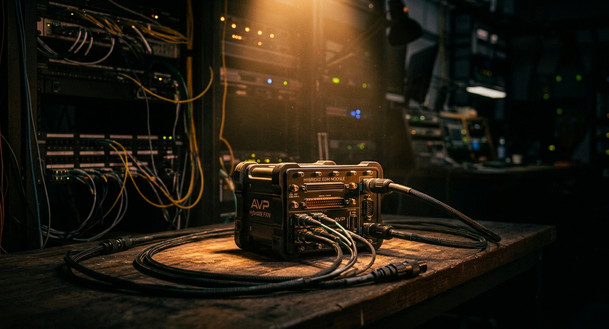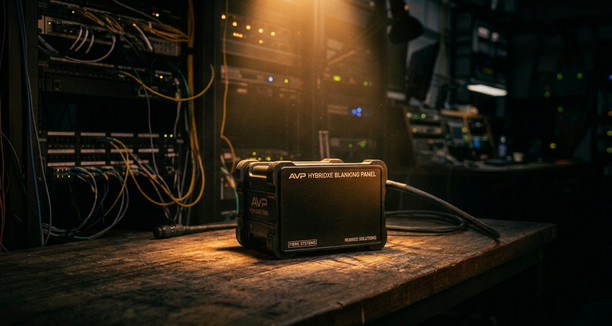
AVP HybridXE Blanking panel hardware supplied by Fibre Systems provides critical structural and environmental protection for high-density broadcast racks. An AVP HybridXE Blanking panel serves as a protective cover designed to seal unused module slots in modular patch enclosures and mobile production frames. Broadcast environments feature dense active hardware, where open bulkhead spaces invite dust, debris, and thermal inefficiency into delicate optical networks. Installing an AVP HybridXE Blanking panel across empty frame slots prevents ambient airborne dust from entering backplane connectors while directing internal cooling airflow across high-voltage active hardware. Proper care and inspection of these passive plates preserve overall rack hygiene and protect nearby active modules from environmental degradation.
Field setups inside outside broadcast vans and temporary stadium control rooms expose rack frames to severe dust accumulation, mechanical vibration, and thermal fluctuations. Integrating an AVP HybridXE Blanking panel into every open slot ensures that high-velocity cooling fans pull air through designated intake paths rather than recycling hot exhaust through empty front openings. Neglecting empty bulkhead covers permits fine particulates to drift onto active optical ports, causing high insertion loss and signal degradation. Enforcing structured maintenance protocols for every AVP HybridXE Blanking panel safeguards modular rack infrastructure and maintains optimal operational environments for high-definition broadcast equipment.
Technical Specifications and Performance Metrics for AVP HybridXE Blanking panel Covers
Understanding the physical construction and airflow ratings of your AVP HybridXE Blanking panel helps engineering teams preserve rack pressure dynamics and physical durability. The following comparison table outlines core operational metrics across standard panel configurations.
| Operational Specification | Standard AVP HybridXE Blanking panel | Field-Ruggedized AVP HybridXE Blanking panel | Extreme Climate Variant |
| Primary Industry Pain Point | Air bypass and thermal recirculation in patch frames | Dust ingress in temporary field broadcast racks | Salt spray and high humidity exposure in marine setups |
| Housing Material | Anodized lightweight aluminum | Heavy-duty stainless steel plate | Sealed weather-resistant composite plate |
| Thermal Isolation Rating | Standard passive air blocker | Enhanced thermal insulation barrier | High-temperature fire-retardant shield |
| Ingress Protection Level | IP50 dust prevention | IP54 field dust protection | IP65 weather-sealed closure |
| Operating Temperature | -20 degrees C to +60 degrees C | -40 degrees C to +75 degrees C | -50 degrees C to +85 degrees C |
Regular visual checks of every AVP HybridXE Blanking panel prevent latch loosening and frame warping over extended production schedules. Selecting the right panel specification for specific environmental conditions maintains thermal balance and physical rack security.
Understanding Core Risks of Unsealed Bulkheads and Missing Blanking Panels
Leaving empty module slots unsealed in modular broadcast frames introduces severe mechanical and thermal risks to active system hardware. Unprotected open bays allow airborne dust, metallic shavings, and physical debris to settle directly onto internal optical backplane connectors behind active modules. When fine environmental dust enters an unsealed 6-position or 8-position frame bay missing an AVP HybridXE Blanking panel, ambient rack vibrations gradually push these abrasive particulates into surrounding optical ports, causing severe signal attenuation, insertion loss, and irreversible ferrule pitting.
Thermal management disruption represents another critical operational threat when modular bays lack proper physical closures. Forced-air cooling systems in mobile production racks and fly-pack frames rely strictly on static air pressure differentials to pull cool air across high-wattage video processing equipment and SMPTE power supplies. Operating a high-density rack frame with open module cutouts creates a low-resistance bypass path that causes hot exhaust air to recirculate directly back into active equipment intakes. Over time, this localized heat buildup warps internal ceramic alignment sleeves, degrades optical transceivers, and significantly shortens the operational lifespan of neighboring active components.
Installing precision-engineered blank plates across every unused frame position restores proper airflow dynamics while maintaining a clean physical barrier against environmental contamination. Beyond thermal efficiency and dust protection, sealing vacant module bays protects delicate internal wiring harnesses from accidental mechanical snagging during routine cable routing or module swaps. Incorporating structured blanking practices across modular rack builds ensures that broadcast enclosures maintain high operational reliability, streamlined thermal performance, and a professional, finished appearance ready for future infrastructure expansion.
Step-by-Step Installation and Care Protocol for Every AVP HybridXE Blanking panel
Engineering technicians must follow a structured installation and maintenance routine to ensure every AVP HybridXE Blanking panel seals effectively against dust and thermal leaks.
- Inspect the mounting frame interface and alignment tabs of the AVP HybridXE Blanking panel for metal burrs, bent edges, or debris accumulation.
- Clean the perimeter sealing gasket on the AVP HybridXE Blanking panel using a dry microfiber cloth to remove dust particles before mounting.
- Align the mounting thumbscrews of the AVP HybridXE Blanking panel with the targeted empty frame slot to prevent cross-threading.
- Tighten fasteners evenly on the AVP HybridXE Blanking panel until the plate fits flush against the front bulkhead frame.
- Re-inspect adjacent active module ports after installing an AVP HybridXE Blanking panel to verify that physical clearance and airflow pathways remain unobstructed.
Following these simple maintenance steps ensures that every AVP HybridXE Blanking panel delivers optimal thermal isolation and dust protection across thousands of production hours.
Airflow Optimization and Thermal Management in High-Density Broadcast Racks
Modern broadcast production vehicles pack immense processing power into compact rack enclosures, making controlled airflow management vital for hardware longevity and system stability. High-density active video switchers, multi-viewer engines, and central power distribution units generate significant thermal loads that must be continuously exhausted from the rack chassis during long production days. Installing an AVP HybridXE Blanking panel in every unpopulated slot forces cooling air to flow directly through active equipment heatsinks and dedicated ventilation channels rather than leaking through open front bays.
Uncontrolled air recirculation severely degrades cooling efficiency and forces internal intake fans to run at maximum velocity, increasing total power consumption, accelerating fan bearing wear, and creating unnecessary ambient acoustic noise inside mobile control rooms. Positioning an AVP HybridXE Blanking panel over open slots creates uniform static pressure across the front panel face, preventing hot exhaust air from looping back into sensitive intake pathways. Maintaining consistent thermal management protects delicate optical receivers, internal laser diodes, and high-voltage power channels from localized heat spikes during extended live outdoor broadcasts.
Beyond regulating thermal dynamics, sealing open module cutouts serves as a critical defense against physical environmental hazards within mobile broadcast units. Empty rack spaces allow airborne dust particles, metallic shavings from rig maintenance, and ambient humidity to freely migrate into the rack backplane, increasing the risk of short circuits or ferrule contamination. Standardizing on precision blank plates across all unused bay positions delivers a complete physical seal that keeps internal airflow paths optimized, protects active modules from external particulates, and maintains a clean, professional aesthetic for the entire rack ecosystem.
Environmental Protection and Dust Mitigation in Field Broadcast Environments
Outdoor broadcasts subject electronic hardware to aggressive dust, wind-blown sand, and humidity changes. Mobile production trucks operating in dry outdoor venues generate static charges that attract microscopic dust into open rack spaces. Deploying an AVP HybridXE Blanking panel across empty frame slots blocks airborne dust from settling onto backplane fiber terminations and electrical ground points.
In high-humidity coastal venues, moisture vapor combines with airborne dust particles to form conductive residue on unsealed backplane connectors. Using an AVP HybridXE Blanking panel equipped with environmental sealing gaskets blocks damp ocean air from entering empty frame bays. Establishing strict environmental isolation preserves connector contact integrity and delays expensive maintenance routines on internal rack wiring.
Mechanical Strain Prevention and Frame Integrity Management
Modular rack frames rely on consistent front-panel tension to maintain structural alignment across large backplane assemblies. Operating a frame with multiple empty slots reduces overall rigidity, making the assembly vulnerable to twisting during vehicle transport over rough terrain. Installing an AVP HybridXE Blanking panel into unpopulated bays restores structural cross-bracing across the entire rack chassis.
Proper mechanical fastening of an AVP HybridXE Blanking panel prevents frame flex that could misalign delicate optical alignment pins inside adjacent active slots. Ensuring that all blanking plates feature undamaged retaining hardware maintains frame squareness, guaranteeing smooth insertion and extraction of active hybrid breakout modules during fast-paced event reconfigurations.
Compliance with ACMA Standards for Rack Enclosure Deployments
Deploying commercial broadcast equipment in Australian venues requires full compliance with established electrical and cabling standards. The Australian Communications and Media Authority (ACMA) establishes clear safety regulations covering telecommunications cabling, structural enclosure grounding, and equipment isolation. When configuring modular rack frames with an AVP HybridXE Blanking panel, technicians must verify that blanking plates do not interfere with chassis safety ground continuity or structural fire barrier standards.
Proper electrical bonding of an AVP HybridXE Blanking panel to the main metallic rack frame prevents static charge accumulation and shielding breaks. ACMA standards mandate clear physical isolation between high-voltage power lines and communications infrastructure, making the protective metal barrier of an AVP HybridXE Blanking panel an essential compliance component. Certified installers inspect all blanking plate setups to ensure full regulatory safety compliance prior to live production handoff.
Field Storage and Handling Procedures for Modular Blanking Plates
Improper storage of spare hardware components leads to surface scratches, bent alignment tabs, and compromised sealing gaskets over time. Field crews storing an AVP HybridXE Blanking panel outside of active rack enclosures should always use padded storage cases, modular transport drawers, or dedicated protective foam inserts. Stacking loose metal plates inside open toolboxes or utility bins deforms precision-machined mounting flanges, strips thumbscrew threads, and prevents completely flush seating during future rack installations.
Beyond physical deformation, unshielded storage exposes spare plates to airborne shop contaminants, ambient moisture, and abrasive dirt particles. When blank plates accumulate grime in transit, installing them into a clean rack environment inadvertently transfers dust directly onto neighboring active optical backplanes and high-voltage power paths. Utilizing dedicated protective enclosures ensures that spare hardware remains structurally sound, free of oxidation, and ready for clean deployment at a moment’s notice.
Before re-installing a stored AVP HybridXE Blanking panel, technicians should perform a quick pre-deployment check, inspecting thumbscrews, structural alignment tabs, and perimeter gaskets for signs of corrosion, cross-threading, or physical wear. Wiping down metal edges and sealing surfaces with approved non-conductive optical cleaners or lint-free wipes removes oily fingerprints, field grime, and residual debris. Maintaining disciplined storage and pre-installation cleaning habits guarantees that spare blanking plates provide an airtight, professional seal whenever modular racks require reconfiguration.
Field Diagnostics and Rack Inspection Checklists
Incorporating blanking plate verification into routine engineering checklists prevents thermal leaks and dust contamination long before live broadcasts begin. Lead technicians should conduct visual inspections of all rack frames during morning pre-show checks, ensuring that no vacant module bays remain exposed across active mobile units or control room installations. Verifying that every AVP HybridXE Blanking panel sits completely flush against the frame chassis confirms that internal cooling air pathways are fully sealed and that dust seal gaskets remain engaged.
Beyond basic physical alignment, routine checks should include inspecting the security of captive thumb screws and mounting hardware. High-vibration environments, such as mobile production trucks in transit, can gradually loosen unsecured rack accessories over time. Ensuring that every blanking plate is properly torqued prevents unwanted chassis rattles and keeps internal static pressure differentials stable throughout long production runs.
If internal rack temperatures rise unexpectedly during a live broadcast, engineers should immediately check for missing, misaligned, or loose panel covers across all frame units. A missing AVP HybridXE Blanking panel on a lower rack slot disrupts thermal pressure balance across upper active bays, creating a low-resistance path that causes hot exhaust air to recirculate directly into active equipment intakes. Rapid physical verification and panel tightening restore proper airflow dynamics instantly, stabilizing internal hardware temperatures without requiring emergency rack teardowns or interrupting live video feeds.
Key Operational Benefits of Maintaining AVP HybridXE Blanking panel Hardware
Investing time in proper selection and care for every AVP HybridXE Blanking panel provides substantial operational benefits across mobile and studio infrastructure.
- Prevent Critical Heat Recirculation: Installing an AVP HybridXE Blanking panel blocks hot exhaust air from recirculating into cool equipment intakes.
- Protect Optical Backplanes from Dust: Sealing open bays with an AVP HybridXE Blanking panel prevents airborne dust from contaminating active optical ports.
- Maintain Structural Frame Rigidity: Securing an AVP HybridXE Blanking panel into empty slots restores cross-bracing strength across modular rack chassis.
- Reduce Active Cooling Load: Optimizing pressure differentials with an AVP HybridXE Blanking panel lowers cooling fan speeds and reduces power draw.
- Ensure ACMA Regulatory Compliance: Grounding every metallic AVP HybridXE Blanking panel maintains continuous chassis shielding and safety compliance.
Asset Tracking and Maintenance Protocols for Fleet Enclosures
Managing hardware assets across large broadcast fleets requires systematic tracking of all enclosure accessories. Assigning asset tags and maintenance logs to every AVP HybridXE Blanking panel helps engineering teams monitor panel inventory and replace worn components promptly. Tracking thermal audit data across production trucks establishes performance baselines for overall rack cooling efficiency.
Regular maintenance audits ensure that damaged or bent blanking plates are retired before they cause frame alignment issues. Replacing worn thumbscrews or damaged perimeter seals on an AVP HybridXE Blanking panel restores original sealing efficiency at minimal cost. Structured asset tracking protects capital investments while maintaining uncompromised rack hygiene and thermal performance year after year.
Frequently Asked Questions
Why is an AVP HybridXE Blanking panel necessary in an active broadcast rack?
An AVP HybridXE Blanking panel seals unpopulated module slots, preventing cool intake air from escaping through empty bays and blocking hot exhaust recirculation into active equipment.
Can operating a rack without an AVP HybridXE Blanking panel damage optical components?
Yes, missing blanking covers allow dust particulates and ambient heat to settle onto nearby backplane optical ports, leading to signal attenuation and ceramic sleeve warping over time.
How does an AVP HybridXE Blanking panel improve fan energy efficiency?
By maintaining static air pressure differentials inside the chassis, an AVP HybridXE Blanking panel directs airflow through active heatsinks, allowing cooling fans to operate at lower, energy-efficient speeds.
What maintenance does an AVP HybridXE Blanking panel require before installation?
Technicians should clean perimeter sealing gaskets with a dry microfiber cloth, check alignment tabs for physical bends, and verify that mounting thumbscrews turn smoothly without cross-threading.
Does installing an AVP HybridXE Blanking panel support ACMA compliance?
Yes, installing a grounded metal AVP HybridXE Blanking panel maintains continuous chassis shielding, satisfies structural isolation rules, and prevents static charge buildup across modular rack frames.
Article Summary
Field-proven care guidelines for every AVP HybridXE Blanking panel protect modular broadcast infrastructure against dust ingress, thermal recirculation, and mechanical frame distortion. By combining visual panel inspections, proper thumbscrew fastening, perimeter gasket maintenance, and ACMA grounding compliance, engineering teams maintain peak thermal control and zero-downtime performance. Establishing disciplined blanking plate management safeguards overall equipment investments, reduces active cooling stress, and guarantees clean, reliable signal transmission across demanding broadcast operations.
Maximizing Thermal Control and Frame Protection with AVP HybridXE Blanking panel Care
Proactive hardware care transforms vulnerable field connections into ultra-reliable broadcast networks. Integrating regular inspection routines for every AVP HybridXE Blanking panel across your mobile production fleet safeguards high-value camera systems and protects expensive base station electronics. Engineering leads who prioritize physical maintenance eliminate emergency repairs, lower long-term operating costs, and deliver uninterrupted, crystal-clear feeds across every production cycle.
To upgrade your live event infrastructure with field-tested interconnect hardware, connect directly with our technical team through the Fibre Systems contact page. You can also explore our complete catalog of high-density breakout enclosures, tactical reels, and ruggedized cabling assemblies by visiting our industrial product section. Partner with industry experts who understand the rigorous demands of broadcast engineering and equip your crew with reliable, enterprise-grade optical solutions today.