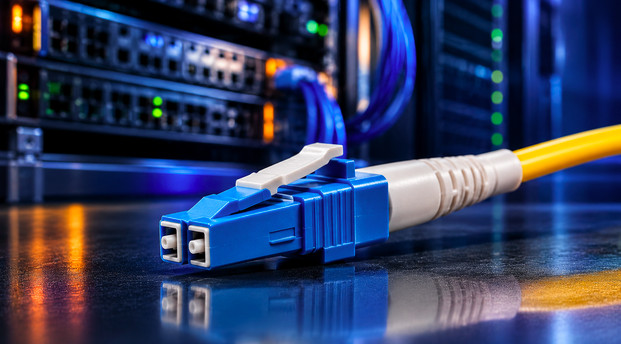
LC 801 connector hardware supplied by Fibre Systems delivers advanced optical interconnection performance engineered specifically for high-density broadcast and industrial rack assemblies. An advanced LC 801 connector interface provides low insertion loss and high-precision ferrule alignment designed to maintain stable light transmission under severe physical stress. In demanding broadcast environments where high-definition video feeds depend on absolute signal integrity, managing thermal stability and mechanical tension around every LC 801 termination is critical. Every professional LC 801 connection utilizes high-grade ceramic ferrules and precision alignment sleeves that resist environmental wear while preserving optical return loss ratings across multi-day live productions.
Field deployments in outdoor production trucks, live stadium venues, and mobile broadcast hubs expose sensitive fiber interfaces to extreme thermal fluctuations and heavy particulate contamination. Deploying a structured maintenance framework for every LC 801 connection guarantees optimal optical throughput and eliminates signal attenuation caused by thermal expansion or connector misalignment. Broadcast engineering teams understand that unmanaged heat buildup inside mobile racks alters physical tolerances, leading to micro-bending loss and permanent hardware degradation. Enforcing disciplined care routines across your operational fleet ensures zero-downtime performance throughout multi-day live broadcasts.
Technical Specifications and Performance Metrics for LC 801 Assemblies
| Operational Specification | Standard LC 801 Connection | Heavy-Duty Field LC 801 Variant | High-Density Studio Patch Configuration |
| Primary Industry Pain Point | Thermal expansion stress in tight rack spaces | Dust accumulation in mobile patch panels | High-volume connection wear across broadcast fleets |
| Ferrule Material | Zirconia ceramic alignment ferrule | Reinforced stainless steel composite ferrule | Precision high-density ceramic pin |
| Typical Insertion Loss | Less than 0.15 dB per mated pair | Less than 0.20 dB under field tension | Less than 0.10 dB in studio racks |
| Return Loss Performance | Better than 55 dB UPC polished | Better than 50 dB standard polish | Better than 60 dB APC polished |
| Operating Temperature | -20 degrees C to +60 degrees C | -40 degrees C to +75 degrees C | -10 degrees C to +50 degrees C |
Regular physical audits of every LC 801 termination ensure that internal latch mechanisms and adapter housings operate smoothly without binding. Choosing the appropriate connector specification for your specific venue conditions prevents unexpected maintenance delays during critical event setups.
Understanding Core Risks of Thermal Distortion and Insertion Loss in Fiber Racks
Failing to maintain proper environmental and mechanical controls around every LC 801 connection introduces severe insertion loss and permanent hardware degradation into live broadcast networks. Modern hybrid fiber systems transmit high-bandwidth video data alongside active electrical power, making thermal management and connector cleanliness absolute operational priorities. When ambient temperatures inside a mobile production rack spike due to unventilated power supplies, adjacent hardware expands at varying rates, placing intense lateral stress on the LC 801 ferrule interface.
Thermal distortion occurs when an LC 801 connection is subjected to continuous localized heat without adequate airflow or mechanical isolation. The resulting thermal expansion warps plastic adapter blocks and misaligns ceramic alignment sleeves, causing physical offset between opposing fiber cores. This misalignment creates high insertion loss, back-reflections, and intense light concentration that can permanently pit the glass end face.
Beyond thermal stresses, mechanical vibrations from mobile production equipment and heavy crew foot traffic exacerbate micro-friction across joined ferrules. When minute airborne dust particles settle inside unsealed bulkhead adapters, continuous structural vibrations grind these abrasive contaminants directly into the optical core matrix, leading to permanent glass fracturing and costly panel replacements over time. Instituting mandatory thermal audits and pre-connection cleaning routines across your entire engineering staff eliminates cross-contamination and preserves long-term hardware investments.
Step-by-Step Inspection and Maintenance Protocol for LC 801 Terminations
Field technicians must follow a standardized maintenance sequence to ensure every LC 801 connection benefits fully from professional care protocols. Before mating cables, personnel should verify that protective shutters and adapter slots are fully free of obstruction.
- Inspect the optical connector end face of the LC 801 assembly using a 400x handheld digital inspection scope to identify specific surface contaminants before mating.
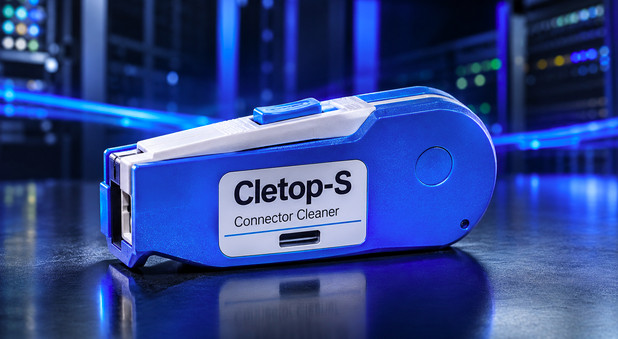
- Apply an approved dry-cleaning cassette or lint-free optical swab across the LC 801 ferrule tip using a single, unidirectional wiping motion.
- Verify that the latch mechanism on the LC 801 housing clicks securely into the adapter sleeve without excessive lateral pulling force.
- Measure insertion loss across the LC 801 link using an optical power meter to confirm signal attenuation remains well within acceptable operational thresholds.
- Secure strain relief boots behind the LC 801 termination to prevent trailing cable weight from transferring tension directly to the mating sleeve.
Executing this precise five-step procedure guarantees that every LC 801 connection achieves maximum light transmission efficiency across thousands of mating cycles.
Environmental Controls and Thermal Management in Mobile Production Racks
Operating broadcast equipment in coastal zones, industrial areas, or harsh desert environments exposes sensitive maintenance tools and optical connectors to aggressive airborne particulates, corrosive salt spray, and intense solar heat. High ambient humidity combined with rapid temperature swings accelerates oxidation and micro-corrosion on exposed metal chassis housings if preventive environmental measures are ignored. Carefully managing airflow paths and thermal dissipation channels around every LC 801 patch panel prevents localized thermal pockets that silently compromise optical signal stability and long-term hardware reliability.
In hot outdoor venues, direct sunlight hitting mobile production trucks can quickly elevate interior rack temperatures far beyond safe operating limits, threatening sensitive transceivers and active backplanes. Field teams staging LC 801 patch panels outdoors should utilize targeted enclosure ventilation, temporary shading canopies, and auxiliary cooling fans to protect internal components from extreme solar loading during extended broadcasts. Maintaining rigorous environmental controls prevents thermal warping on delicate connector housings and guarantees consistent, uncompromised performance across demanding remote production schedules.
Beyond managing ambient weather factors, protecting high-density patch fields from wind-blown dust and moisture infiltration remains essential for preventing premature link degradation. Fine airborne sand particles and coastal salt residues can easily migrate into unsealed adapter ports during rapid equipment teardowns in the field. Establishing strict protective port covers, utilizing clean transport cases, and performing thorough pre-deployment inspections ensure that every LC 801 link remains entirely free of contaminants from setup straight through to final strike.
Strain Relief and Mechanical Stability During High-Density Patching
Maintaining mechanical stability across every LC 801 connection requires proper cable routing, structural strain relief, and disciplined physical handling to prevent housing stress during heavy event usage. When technicians rush to patch optical lines during fast-paced live event setups, pulling high-density patch cables at sharp angles can crack adapter clips, deform mounting flanges, and misalign internal LC 801 ferrules. Keeping cables neatly dressed, secured in dedicated lace bars, and packed inside padded field kits protects mechanical components from sudden tension spikes and heavy impact damage.
Proper hand placement during connector insertion and extraction ensures even axial alignment across the entire LC 801 body without applying unnecessary lateral leverage that could chip delicate alignment sleeves or fracture internal ceramic pins. Technicians should always grip the connector housing directly, never pulling by the bare fiber or boot and push straight into the adapter until the latching mechanism cleanly engages.
Engineering leads should conduct regular inventory checks on all patch cabling to ensure strain relief boots remain flexible and secure over years of active deployment. Inspecting cable jackets near the connector assembly catches micro-fractures, stress whitening, and boot degradation early, allowing teams to replace worn jumpers before signal loss occurs on air. Establishing strict cable management standards preserves structural integrity, minimizes signal attenuation, and guarantees reliable optical performance across demanding broadcast environments.
Compliance with ACMA Standards for High-Density Cabling Operations
Following ACMA regulations when installing an LC 801 connection and managing rack infrastructure ensures that broadcast operations meet all local legal and safety requirements. The Australian Communications and Media Authority (ACMA) establishes clear regulatory guidelines governing telecommunications maintenance practices, workplace safety, and structural enclosure grounding. When managing fiber networks in permanent facilities or mobile trucks, technical supervisors must verify that cabling procedures comply with ACMA standards to prevent operational hazards.
Proper grounding of metallic rack chassis supporting LC 801 patch assemblies prevents static charge buildup and ensures electrical safety across high-voltage hybrid lines. ACMA standards emphasize professional housekeeping and disciplined maintenance protocols across all telecommunications infrastructure, making structured cleaning routines an essential part of compliance. Certified technical leads review maintenance logs regularly to confirm that all operational safety guidelines are strictly followed.
Safeguarding Patch Hardware in High-Traffic Production Zones
Protecting your LC 801 termination panels inside rugged rack enclosures prevents accidental damage from heavy rolling gear carts and busy crew movement during live event setups. Mobile broadcast environments place immense physical stress on support equipment, making durable enclosure organization a critical priority for engineering staff. When high-density patch fields sit exposed without front rack doors or protective recessed mounting options, unexpected physical impacts can warp mounting ears, strip internal panel fasteners, and fracture delicate LC 801 connector latches right in the middle of pre-show staging.
Patch panels should never be left unshielded in active workspaces where spilled beverages, airborne dust, or dropped heavy gear can contaminate open LC 801 adapter ports. Uncovered bulkhead channels invite micro-contaminants directly onto exposed backplane interfaces, compromising optical return loss and increasing insertion loss across critical transmission channels. Storing spare patch cords in designated dust-capped containers, sealed protective flight cases, or organized cable management drawers ensures they remain completely clean, mechanically sound, and ready for instant deployment when emergency patching is required during a broadcast. Maintaining strict enclosure standards and physical panel protection safeguards your capital investment while ensuring pristine signal continuity across demanding mobile operations.
Thermal Monitoring and Preventive Audits for Enterprise Fleets
Managing operating temperatures around your LC 801 patch infrastructure prevents material warping caused by intense sunlight or localized rack heat buildup. Mobile production vans often experience significant ambient temperature swings between outdoor setup areas and air-conditioned control rooms, creating thermal stress across bulkheads.
Storing sensitive optical components away from direct heat sources and high-power amplifier exhausts preserves the structural integrity of every LC 801 housing. Maintaining stable thermal monitoring practices ensures that connector sleeves do not deform or bind during high-speed re-patching in stressful field environments.
Preventative Maintenance Frequency and Field Workflows
Scheduling daily maintenance checks for every LC 801 link before every broadcast shift eliminates emergency troubleshooting and ensures uninterrupted live video transmission. Engineering managers should mandate pre-show inspection routines where every patch cord and bulkhead adapter is cleaned and verified under magnification.
Post-production maintenance is equally important for preserving equipment readiness. Inspecting LC 801 adapter ports after an outdoor event and clearing exterior dust ensures gear is fully prepared for transport to the next production location. Disciplined workflows guarantee consistent optical performance across all mobile engineering operations.
Diagnostic Protocols for Field Engineers Troubleshooting Signal Loss
Troubleshooting signal loss while keeping inspection tools nearby allows field engineers to resolve attenuation issues within seconds during live broadcasts. When optical power meters indicate sudden signal drops across an LC 801 link, the fastest diagnostic step is to disconnect, inspect, and dry-clean both the patch cord and adapter interfaces.
If decibel loss persists after a thorough cleaning cycle, the issue likely originates from thermal fiber pinching or macro-bending along the cable run rather than surface contamination. Having modular cleaning tools and spare LC 801 jumpers immediately accessible enables rapid isolation of faults without delaying live production schedules or requiring complex test equipment.
Key Operational Benefits of Maintaining High-Density Optical Connections
Investing time in proper cleaning protocols provides substantial operational advantages across mobile and studio infrastructure.
- Utilizing a clean LC 801 connection prevents sudden production blackouts by eliminating optical return loss spikes during live broadcasts.
- Extending optical hardware lifespan through regular thermal and physical audits delays expensive component replacement cycles across your entire inventory.
- Maintaining pristine insertion loss ratings across every LC 801 interface guarantees crystal-clear high-definition video transmission over long fiber runs.
- Eliminating cross-contamination between patch cords prevents dirty field cables from ruining clean studio bulkhead panels.
- Ensuring full compliance with telecommunications maintenance standards protects your organization against preventable network failures.
Asset Tracking and Fleet Audits for Enterprise Enclosures
Assigning high-durability barcode tags, QR tracking codes, and unique asset identifiers to each LC 801 patch assembly allows engineering supervisors to closely monitor component wear rates, track deployment lifecycles, and reorder critical replacement supplies long before unexpected stockouts occur. Comprehensive inventory tracking across multiple mobile production trucks and remote broadcast hubs ensures that field crews never face debilitating maintenance shortages or component bottlenecks during high-stakes sports broadcasts or live entertainment events.
Regular operational audits of patch panel performance and bulkhead integrity help technical leads quickly identify worn mechanical latches, micro-fractures, or thermal warping, allowing proactive replacement before equipment failures happen on live air. Implementing structured asset management protects operating budgets from emergency shipping fees while maintaining uncompromised optical network reliability year after year across every demanding production deployment.
Frequently Asked Questions
How does thermal distortion affect an LC 801 connection in high-density racks?
Thermal distortion causes differential expansion across rack frames, placing lateral stress on the LC 801 ferrule interface, which misaligns ceramic sleeves and causes severe insertion loss.
Can an uncleaned LC 801 connector suffer permanent damage from high-power lasers?
Yes, microscopic dust trapped on an uncleaned LC 801 end face absorbs laser energy, creating intense thermal spikes that melt the particulate into the glass core and cause permanent pitting.
Why is physical strain relief critical for maintaining an LC 801 link?
Proper strain relief absorbs pulling forces from trailing cables, preventing tension from transferring directly to the LC 801 mating sleeve and ceramic ferrule alignment pins.
What temperature range is optimal for operating standard LC 801 hardware?
Standard LC 801 assemblies perform reliably within an operating temperature range of -20 degrees C to +60 degrees C, provided adequate airflow prevents localized thermal pockets.
Does proper grounding of rack enclosures support LC 801 longevity?
Yes, grounding metallic rack frames supporting LC 801 panels prevents static electrical buildup, reduces electromagnetic interference, and ensures full safety compliance under ACMA regulations.
Article Summary
Mastering thermal management and optical hygiene protocols through the regular inspection of every LC 801 connection protects broadcast networks against severe insertion loss, thermal distortion, and unexpected signal attenuation. By combining 400x scope inspections, structured cleaning techniques, proper strain relief management, and rigorous ACMA compliance, engineering teams achieve zero-downtime performance in demanding outdoor production venues. Establishing disciplined maintenance workflows safeguards valuable equipment investments, reduces emergency repair overhead, and guarantees crystal-clear optical signal transmission across all multi-day broadcast operations.
Master-Class Maintenance Standards for Optimal Optical Performance
Proactive hardware care transforms vulnerable field connections into ultra-reliable broadcast networks. Integrating regular inspection routines with professional maintenance protocols for every LC 801 assembly across your mobile production fleet safeguards high-value camera systems and protects expensive base station electronics. Engineering leads who prioritize thermal control and optical hygiene eliminate emergency repairs, lower long-term operating costs, and deliver uninterrupted, crystal-clear feeds across every production cycle.
To upgrade your live event infrastructure with field-tested interconnect hardware and maintenance accessories, connect directly with our technical team through the Fibre Systems contact page. You can also explore our complete catalog of high-density breakout enclosures, tactical reels, and ruggedized cabling assemblies by visiting our industrial product section. Partner with industry experts who understand the rigorous demands of broadcast engineering and equip your crew with reliable, enterprise-grade optical solutions today.