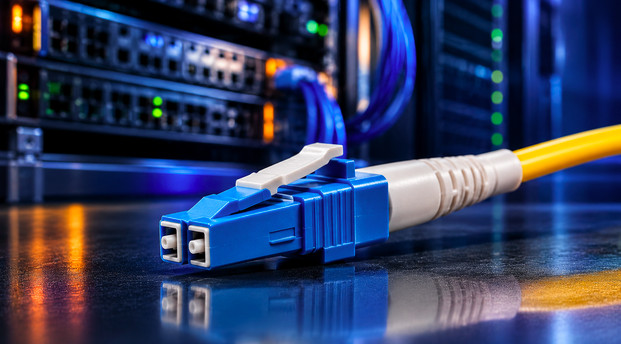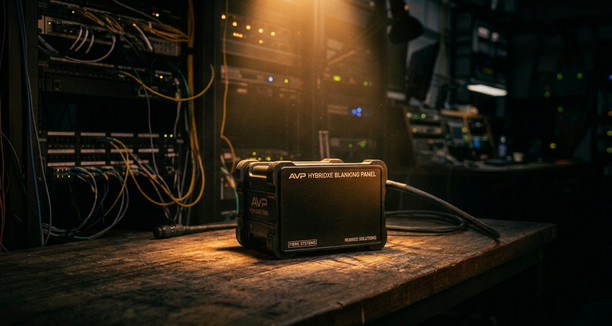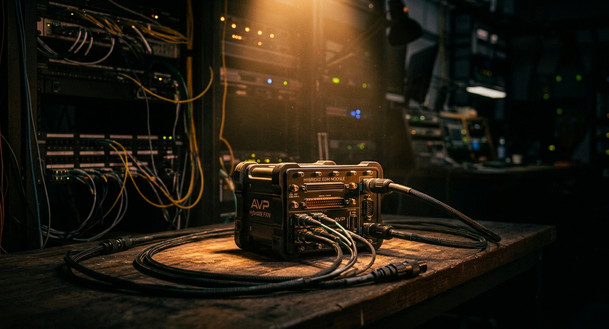
AVP HybridXE EDW Module assemblies provided by Fibre Systems represent high-performance breakout architecture tailored specifically for temporary and permanent broadcast installations. An AVP HybridXE EDW Module functions as a heavy-duty patch enclosure designed to split combined hybrid optical-copper lines into dedicated fiber feeds and auxiliary power channels. In high-pressure outdoor production environments such as stadium sports, music festivals, and live field reporting, deploying an AVP HybridXE EDW Module ensures that high-definition video signals pass through without attenuation. Proper physical handling and operational protocols safeguard fragile internal glass fibers against micro-fractures while keeping high-voltage power paths fully insulated.
Field environments introduce severe mechanical stress, dust contamination, and unpredictable weather conditions that threaten sensitive optical hardware. Integrating an AVP HybridXE EDW Module into mobile production racks creates a centralized connection point that shields internal fiber splices from continuous mechanical pulling. Neglecting regular visual inspections or pushing equipment beyond its rated bend radius leads to sudden signal degradation and expensive hardware repairs. Enforcing certified maintenance routines for every AVP HybridXE EDW Module across your operational fleet minimizes emergency downtime and maintains pristine signal transmission across every multi-day production.
Technical Specifications and Performance Metrics for AVP HybridXE EDW Module Assemblies
Understanding the structural boundaries of your AVP HybridXE EDW Module helps field engineers prevent mechanical overload, pin deformation, and port misalignment. The following comparison table outlines core operational metrics across standard hybrid enclosure models.
| Operational Specification | Standard AVP HybridXE EDW Module | Ruggedized Field AVP HybridXE EDW Module | High-Density Tactical Variant |
| Primary Industry Pain Point | Dust ingress in temporary field patch panels | Connector strain from heavy trailing multi-core lines | Physical impact damage during fast stadium tear-down |
| Structural Material | Anodized aluminum housing | Reinforced stainless steel chassis | Heavy-duty weather-sealed composite shell |
| Typical Optical Return Loss | Better than 45 dB | Better than 50 dB | Better than 55 dB |
| Auxiliary Electrical Capacity | Up to 300V DC power pass-through | Up to 600V DC power pass-through | Up to 600V DC insulated power pins |
| Operating Temperature | -20 degrees C to +60 degrees C | -40 degrees C to +75 degrees C | -50 degrees C to +85 degrees C |
Regular physical audits of every AVP HybridXE EDW Module reduce wear on internal retention latches and alignment sleeves. Selecting the right enclosure specification for specific environmental conditions prevents costly housing warping during intense field deployments.
Understanding Core Failures in Unmaintained AVP HybridXE EDW Module Units
Failing to execute routine care on an AVP HybridXE EDW Module opens the door to immediate transmission errors right when live broadcast feeds demand continuous uptime. Hybrid broadcast connections carry active electrical currents alongside high-speed optical data channels, making contamination exceptionally dangerous. When fine airborne dust enters an unsealed AVP HybridXE EDW Module, intense laser light focuses energy onto microscopic debris, burning pits into the optical glass ferrule. This phenomenon, known as laser-baked contamination, permanently degrades signal quality and requires complex factory re-polishing.
Electrical contact corrosion inside an AVP HybridXE EDW Module introduces high resistance across power pins, causing localized heating and arcing. Arcing generates localized thermal spikes that deform surrounding ceramic alignment sleeves and melt protective rubber grommets. When field technicians swap cables under tight production deadlines, a damaged AVP HybridXE EDW Module spreads contamination to clean camera lines. Instituting mandatory pre-connect inspection routines prevents cross-contamination across your entire inventory.
Certified Inspection and Cleaning Protocol for Every AVP HybridXE EDW Module
Field crews must follow a standardized inspection and cleaning sequence before mating camera lines to an AVP HybridXE EDW Module. Consistent execution of these steps preserves optical return loss ratings and protects internal pins.
- Inspect the optical ferrule faces inside the AVP HybridXE EDW Module using a 400x digital inspection scope to identify dust, oil, or physical pitting.
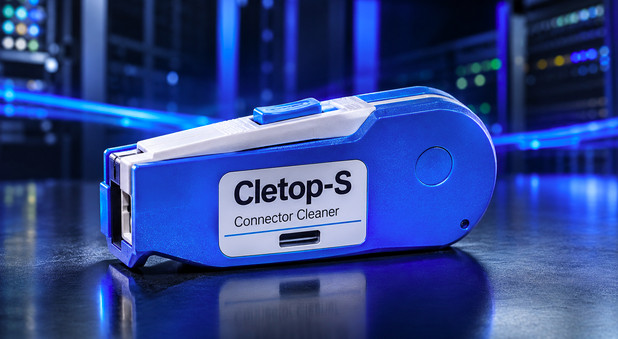
- Apply a dedicated dry-cleaning cassette or lint-free optical swab to the mating interface of the AVP HybridXE EDW Module without applying excessive force.
- Utilize a high-purity optical solvent wipe if sticky residues or oil films remain on the AVP HybridXE EDW Module ferrule surface.
- Clean auxiliary electrical contacts inside the AVP HybridXE EDW Module using specialized non-conductive contact cleaner to clear oxidation.
- Re-inspect the cleaned AVP HybridXE EDW Module port under the scope to confirm zero contamination before inserting field cables.
Executing this routine maintenance procedure guarantees that every AVP HybridXE EDW Module maintains peak optical throughput during critical broadcast broadcasts.
Environmental Management and Outdoor Deployment Guidelines
Operating broadcast equipment in coastal zones or dry desert environments exposes physical hardware to aggressive airborne particulates. High humidity paired with airborne salt spray accelerates oxidation on exposed metal housings if preventive measures are ignored. When deploying an AVP HybridXE EDW Module in maritime production settings, technicians must apply non-conductive protective grease to housing threads while keeping optical channels dry. Preventing salt crust accumulation around coupling rings ensures smooth mechanical mating during fast equipment tear-downs.
In dry, dusty venues, fine sand acts as an abrasive agent inside unsealed connection cavities. Field teams staging an AVP HybridXE EDW Module outdoors should utilize targeted air blowers to clear loose dust from protective caps before opening port covers. Never use unfiltered compressed gas cans directly on optical faces, as liquid propellant leaves chemical film residues. Maintaining clear environmental controls prevents physical abrasion on internal components.
Strain Relief Management and Mechanical Isolation Strategies
Heavy trailing camera cables exert continuous pulling forces on breakout panel connections. Without proper strain relief, external tension transfers directly to internal glass fibers, leading to micro-bending loss and eventual glass breakage. Mounting an AVP HybridXE EDW Module within a dedicated rack framework equipped with heavy-duty strain relief bars absorbs pulling forces before they stress internal splices.
Proper strain relief loops should maintain specified bend radius clearances to preserve light transmission efficiency. Bending hybrid cables too sharply increases optical return loss and degrades signal clarity over long cable runs. Ensuring that strain relief clamps grip the outer jacket of trailing lines keeps every AVP HybridXE EDW Module operating within rated mechanical tolerances throughout demanding field events.
Compliance with ACMA Standards for AVP HybridXE EDW Module Deployments
Deploying hybrid fiber infrastructure across Australian venues requires full adherence to established telecommunications and electrical safety standards. The Australian Communications and Media Authority (ACMA) enforces clear regulatory standards governing customer cabling rules, grounding procedures, and structural wiring isolation. When integrating an AVP HybridXE EDW Module into broadcast trucks or venue patch points, technicians must verify that electrical pass-through lines satisfy ACMA safety requirements to prevent electrical hazards and ground loops.
Grounding the metallic chassis of an AVP HybridXE EDW Module protects sensitive studio equipment against static charge build-up in dry outdoor stadiums. ACMA standards highlight physical separation between high-voltage power lines and telecommunications fiber assemblies, making the insulated design of an AVP HybridXE EDW Module an essential compliance feature. Certified technicians inspect every AVP HybridXE EDW Module installation to confirm full regulatory compliance before going live.
Safeguarding AVP HybridXE EDW Module Hardware in High-Traffic Production Zones
Busy sideline camera positions and mobile broadcast trucks expose interconnect hardware to physical impacts from rolling carts and crew movement. Installing an AVP HybridXE EDW Module inside recessed flight cases or elevated rack panels shields ports from accidental kicks and rolling equipment wheels.
Field lines connected to an AVP HybridXE EDW Module must include adequate slack loops to absorb sudden mechanical jerks. When camera operators move quickly along a sideline, excessive tension pulls on the internal terminations of an unanchored AVP HybridXE FXW Module. Enforcing robust cable management prevents physical stress on internal optical channels, guaranteeing continuous transmission during live sports events.
Thermal Management and High-Current Power Pass-Through
Hybrid cabling systems combine high-amperage power distribution with optical data channels in a single compact housing. Managing internal thermal dissipation inside an AVP HybridXE EDW Module is critical during long broadcasts where camera chains operate continuously under full power load. Auxiliary electrical contacts generate resistance heating under continuous current draw, elevating internal housing temperatures. Ensuring adequate air ventilation around patch panels prevents localized heat buildup.
Thermal elevation within unventilated panels can cause subtle alignment shifts in internal ceramic sleeves, resulting in increased optical decibel loss. Engineers mounting an AVP HybridXE EDW Module inside tight production racks should maintain vertical spacing between heat-generating power supplies and passive optical breakout panels. Passive airflow channels maintain stable operating temperatures, preserving factory optical alignment under heavy electrical loads.
Preventative Cleaning Frequency and Pre-Show Verification Routines
Establishing a structured cleaning routine prevents emergency troubleshooting during live television broadcasts. Engineering managers should mandate pre-show, mid-event, and post-show inspection checklists across all production vehicles. Before connecting field lines to an AVP HybridXE EDW Module during morning setup, technicians must examine all mating surfaces using digital inspection microscopes.
Post-event care is equally critical for maximizing equipment service life. When packing up gear following an outdoor broadcast, technicians must inspect every AVP HybridXE EDW Module interface before securing protective dust caps. Capping dirty ports traps moisture and grit against ferrule surfaces during transport, accelerating wear. Consistent cleaning practices ensure equipment arrives at the next job site ready for instant setup.
Diagnostic Protocols for Field Engineers Troubleshooting Signal Loss
When optical attenuation spikes during a live broadcast, rapid field diagnostic steps isolate hardware issues without delaying production schedules. The first troubleshooting step involves measuring optical power levels at the AVP HybridXE EDW Module port using an optical power meter to determine if signal loss occurs within the enclosure or along field cables. If decibel loss increases specifically at the panel face, technicians can focus immediate cleaning efforts on the local ferrule.
If signal attenuation persists after thorough dry cleaning, mechanical alignment damage within internal sleeves may be present. In such cases, testing with an optical time-domain reflectometer locates micro-bends or internal fiber breaks behind the AVP HybridXE EDW Module bulkheads. Maintaining modular spare breakout assemblies enables field crews to replace damaged units within minutes, restoring video feeds before airtime without requiring field fusion splicing.
Key Operational Benefits of Maintaining AVP HybridXE EDW Module Units
Investing time into routine maintenance for your AVP HybridXE EDW Module provides immediate reliability benefits across all production workflows.
- Prevent Costly Broadcast Blackouts: Regular cleaning of your AVP HybridXE EDW Module prevents sudden optical signal loss during live television coverage.
- Extend Equipment Operational Service Life: Protecting internal ceramic sleeves within an AVP HybridXE EDW Module delays expensive component replacement cycles.
- Maintain Superior Signal Clarity: Keeping ferrule faces free of dust guarantees minimal insertion loss across an AVP HybridXE EDW Module interface.
- Eliminate Cross-Contamination Risks: Inspecting every AVP HybridXE EDW Module ensures contaminated field cables do not damage clean studio infrastructure.
- Ensure Full Regulatory Compliance: Grounding every AVP HybridXE EDW Module guarantees that installations satisfy Australian telecommunications and electrical safety codes.
Inventory Tracking and Maintenance Audits for Enterprise Fleets
Maintaining high-level performance standards across large broadcast fleets requires systematic tracking of all interconnect hardware assets. In mobile production environments where equipment undergoes constant transit and rapid teardowns, knowing the exact condition of every rack component is vital. Assigning unique serial tags and detailed maintenance logs to every AVP HybridXE EDW Module allows engineering leads to monitor service histories, track deployment hours, and identify recurring wear patterns across different broadcast trucks and temporary control rooms. Furthermore, recording optical loss readings and return loss metrics during routine pre-season maintenance establishes solid performance baselines for every patch enclosure, ensuring subtle signal attenuation is caught long before it can impact live transmissions.
Without structured logging, technicians often waste valuable troubleshooting time treating symptoms rather than root causes when an optical link begins to fluctuate. Historical maintenance logs eliminate guesswork by providing immediate visibility into whether a high-attenuation reading stems from a contaminated jumper, a stressed cable route, or progressive mechanical wear inside the panel itself. Keeping track of cleaning frequency and mating cycles helps technical teams spot components that are nearing the end of their optimal service life, preventing unexpected signal drops during high-stakes broadcast windows.
Regular maintenance audits ensure that aging hardware is scheduled for preventative factory refurbishment or component replacement long before critical field failures occur on air. When refurbishing older gear, replacing internal alignment blocks and worn-out mechanical sleeves within the modular enclosure restores original insertion loss performance at a fraction of the cost of purchasing brand-new hardware. Ultimately, structured asset tracking and proactive hardware care protect capital budgets, maximize equipment lifespan, and deliver uncompromised signal transmission quality year after year across demanding production infrastructures.
Frequently Asked Questions
How often should an AVP HybridXE EDW Module undergo dry cleaning?
An AVP HybridXE EDW Module must be inspected and dry cleaned before every single connection cycle, particularly when operating in dusty outdoor venues or high-traffic sports arenas. Regular pre-connect verification prevents microscopic grit from scratching ferrule surfaces during cable insertion.
Can dirty power pins inside an AVP HybridXE EDW Module compromise optical performance?
Yes, contaminated power contacts cause electrical arcing, generating extreme thermal spikes inside an AVP HybridXE EDW Module that can warp ceramic alignment sleeves and degrade optical signal paths. Maintaining clean copper contacts preserves physical ferrule alignment.
Why is dry cleaning preferred over solvent cleaning for an AVP HybridXE EDW Module?
Dry cleaning removes loose airborne dust without leaving liquid residue on optical ferrule faces. Solvent cleaning should only be applied to an AVP HybridXE EDW Module when clearing sticky oils, heavy field grime, or stubborn fingerprint films.
What is the recommended bend radius limit when wiring an AVP HybridXE EDW Module?
Cables terminated into an AVP HybridXE EDW Module should maintain a minimum bend radius of ten times the outer cable diameter under static conditions and twenty times under dynamic tension. Exceeding these bend limits induces micro-bending losses and accelerates glass stress.
How does proper grounding on an AVP HybridXE EDW Module protect base station electronics?
Grounding the metallic chassis of an AVP HybridXE EDW Module safely dissipates static charges and high-voltage surge spikes away from delicate optical receivers. This structural isolation prevents electrical ground loops and safeguards connected base station hardware during outdoor events.
Article Summary
Implementing certified care protocols for every AVP HybridXE EDW Module protects critical broadcast networks against unexpected signal loss, optical ferrule pitting, and power contact arcing. Combining visual scope inspections, structured cleaning procedures, effective strain relief mounting, thermal control, and ACMA compliance enables engineering teams to maintain zero-downtime performance under demanding field conditions. Establishing disciplined maintenance practices safeguards long-term equipment investments, reduces emergency repair overhead, and ensures crystal-clear optical signal transmission across multi-day outdoor event operations.
Maximizing Operational Uptime with AVP HybridXE EDW Module Best Practices
Proactive hardware care transforms vulnerable field connections into ultra-reliable broadcast networks. Integrating regular inspection routines for every AVP HybridXE EDW Module across your mobile production fleet safeguards high-value camera systems and protects expensive base station electronics. Engineering leads who prioritize physical maintenance eliminate emergency repairs, lower long-term operating costs, and deliver uninterrupted, crystal-clear feeds across every production cycle.
To upgrade your live event infrastructure with field-tested interconnect hardware, connect directly with our technical team through the Fibre Systems contact page. You can also explore our complete catalog of high-density breakout enclosures, tactical reels, and ruggedized cabling assemblies by visiting our industrial product section. Partner with industry experts who understand the rigorous demands of broadcast engineering and equip your crew with reliable, enterprise-grade optical solutions today.