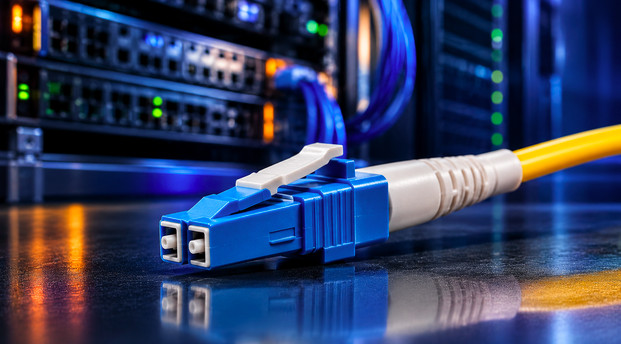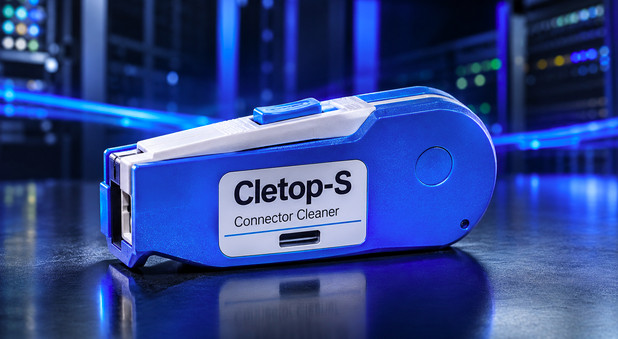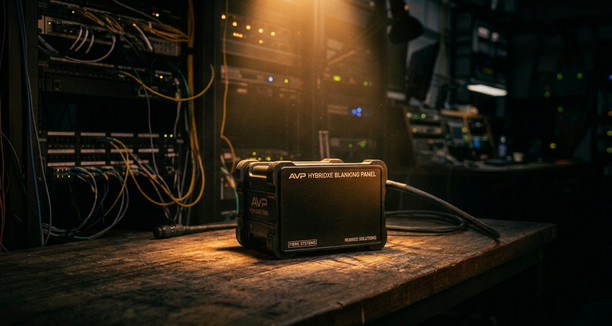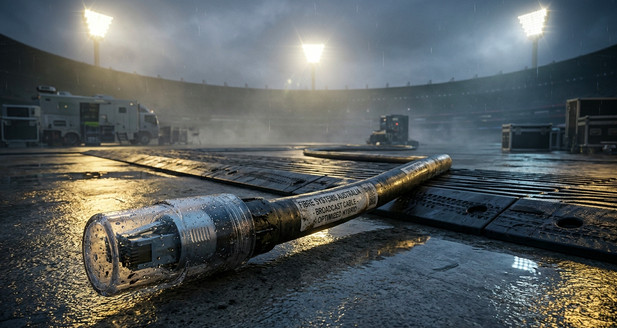
Broadcast Cable infrastructure supplied and supported by Fibre Systems forms the absolute backbone of live outside broadcasting, stadium sports coverage, and major outdoor event productions. When managing multi camera setups across expansive venues, technical teams must run high density optical and hybrid lines across asphalt pathways, broadcast compound access routes, and public spectator concourses. Operating in high density pedestrian zones subjects every deployed Broadcast Cable assembly to continuous physical stress, severe impact forces, and crushing weight from heavy equipment carts, production vehicles, and thousands of walking attendees.
Without rigorous deployment standards, running delicate optical fiber assemblies through heavy foot traffic areas creates massive operational vulnerabilities. Standard unarmored fiber optic lines subjected to repeated physical impacts experience severe microbending, outer jacket tearing, and catastrophic glass core fractures that instantly blackout live video feeds. Field engineers and cable utility crews must implement battle tested deployment techniques, utilizing ruggedized cable constructions, heavy duty rubber crossover ramps, elevated rigging systems, and tactical strain relief anchors. Adhering to professional deployment protocols ensures pristine 4K and 8K uncompressed signal transmission while completely protecting expensive optical infrastructure from physical destruction under demanding field conditions.
Why Heavy Foot Traffic Zones Threaten Broadcast Cable Integrity
Outside broadcast locations introduce unpredictable physical hazards that indoor studio environments never encounter. In temporary event venues, layout constraints often force cable utility crews to route high capacity lines across primary pedestrian thoroughfares, venue entry gates, and production crew access corridors. A high performance Broadcast Cable running unprotected along the ground faces constant mechanical threats that compromise optical performance long before visible physical damage appears on the outer jacket.
When thousands of spectators or heavy production carts step directly onto an unprotected line, the localized downward pressure forces internal optical fibers to bend far beyond their minimum bend radius limits. This physical deformation causes immediate signal attenuation, phase distortion, and packet loss across high bandwidth data links. Repeated impact cycles accelerate physical fatigue in both optical glass and copper power conductors, eventually leading to permanent glass cracking, internal short circuits, and complete transmission failure midway through a live event.
Furthermore, outdoor environmental elements compound the mechanical risks found in high-traffic production zones. Rain, mud, and abrasive gravel underfoot act as grinding agents against an inferior line when compressed by heavy boots or rolling cart wheels. Deploying a specialized Broadcast Cable engineered with heavy-duty polyurethane jacketing, interior aramid strength members, and crush-resistant buffers provides the structural baseline required to withstand these severe operational environments. Because standard field wiring frequently fails under continuous compression, opting for a tactical Broadcast Cable ensures uninterrupted signal transport during critical live feeds.
Field technicians prefer a ruggedized Broadcast Cable specifically for its ability to maintain a tight bend radius while resisting severe surface abrasion on pavement. Investing in a high-grade Broadcast Cable significantly lowers long-term operational costs by protecting sensitive optical fibers from micro-bends and costly core fractures. Ultimately, integrating an enterprise Broadcast Cable across your entire live infrastructure eliminates avoidable network downtime and safeguards your high-value inventory in any venue.
Key Benefits of Standardized Broadcast Cable Deployment Protocols
Implementing structured deployment procedures and specifying commercial grade tactical cables yields immediate long term operational and financial dividends for production companies, OB van operators, and venue engineering leads.
- Uninterrupted Signal Transmission: Rigorous path protection eliminates microbending and signal attenuation, ensuring pristine uncompressed video and audio feeds during live broadcasts.
- Extended Assembly Lifespan: Proper routing, crossover protection, and strain relief prevent structural jacket tearing, internal conductor fatigue, and premature cable retirement.
- Total Public and Crew Safety: Securing cables with heavy duty ramps and elevated rigging eliminates tripping hazards, protecting venue visitors and production personnel from injury.
- Rapid Setup and Teardown Cycles: Deploying standardized coiling, payout, and routing techniques allows utility crews to run and retrieve hundreds of meters of cable efficiently under tight production schedules.
- Reduced Capital Expenditure: Protecting installed assemblies against crush damage directly lowers annual repair bills, connector re-terminations, and emergency cable replacement costs.
The True Operational Costs of Improper Cable Routing in Live Environments
Failing to enforce strict deployment guidelines across high traffic zones is a high risk gamble that frequently results in severe financial and reputational damage. When a critical Broadcast Cable suffers physical core damage during an active live stream or national sports broadcast, the immediate consequences ripple across the entire production ecosystem.
- Total loss of primary camera feeds or master program audio, leading to immediate broadcast blackouts and severe contractual financial penalties.
- Irreparable glass core fractures inside multi channel optical trunks, requiring expensive emergency spliced repairs or total assembly replacement.
- Significant safety liabilities and compensation claims resulting from unanchored cables creating severe tripping hazards in crowded public concourses.
- Hundreds of wasted technical hours spent manually tracing, testing, and replacing damaged cable segments under high pressure live broadcast conditions.
Investing in ruggedized Broadcast Cable stock and enforcing strict field installation standards guarantees that your transmission lines remain fully operational, regardless of pedestrian volume or environmental challenges. Every foot of deployed cable represents a vital link in your production chain, making professional field routing standards the ultimate insurance policy for live broadcast success.
Beyond immediate feed dropouts, chronic mechanical abuse introduces subtle signal degradation issues that frustrate engineering teams over time. Intermittent optical power loss caused by internal microbends forces technicians to constantly adjust laser power budgets and receiver gains. Professional deployment practices eliminate these headaches by maintaining pristine structural geometry along the entire cable run from camera head to mobile control room.
Technical Specifications: Standard Commercial Fiber versus Tactical Heavy Duty Broadcast Cable
Selecting the correct cable architecture for outdoor deployment requires evaluating mechanical tolerances, jacketing materials, and structural protection layers under real world impact scenarios. The detailed comparison table below illustrates why standard commercial fiber cables fail in heavy foot traffic zones, whereas heavy duty Broadcast Cable assemblies deliver flawless field performance.
| Architectural Feature | Standard Commercial Optical Cable | Heavy Duty Tactical Broadcast Cable |
| Outer Jacket Material | Lightweight PVC or basic polyethylene subject to rapid tearing | Flame retardant, UV resistant polyurethane engineered for extreme abrasion resistance |
| Crush Resistance Rating | Low impact tolerance, easily crushed by foot traffic or light equipment | Exceeds 2000 N/cm crush resistance to withstand heavy boots and vehicle loads |
| Strength Member Build | Basic central strength rod or minimal yarn packaging | High tensile strength aramid yarn braiding distributed evenly across internal cores |
| Flexibility Tolerance | High risk of kinking and permanent core deformation when bent tightly | Engineered for high flex life, easy coiling, and repeated field deployment cycles |
| Environmental Protection | Vulnerable to water ingress, oil contamination, and temperature extremes | Fully water blocked with moisture barrier tape and chemical resistant outer shielding |
Evaluating these technical specifications proves why basic commercial cables cannot handle demanding field environments. Deploying tactical grade Broadcast Cable ensures that your infrastructure maintains structural integrity even under direct mechanical impact and intense environmental exposure.
Primary Hazards Threatening Deployed Cables in High Traffic Corridors
Protecting field cable runs requires a clear understanding of the specific physical forces acting upon temporary line deployments during large scale public events. Educating utility crews on these key hazard categories ensures proactive risk mitigation during early setup phases.
1. Direct Concentrated Pedestrian Impact
Thousands of attendees walking over exposed cable runs apply concentrated downward and lateral shear forces. High heeled shoes, work boots, and heavy footwear generate immense localized pressure capable of pinching unarmored internal optical fibers against hard ground surfaces.
2. Rolling Load Compression
Production carts, heavy flight cases, food service trolleys, and utility vehicles rolling across unprotected cables create massive dynamic crushing loads. These extreme compressive forces flatten soft outer jackets, crushing glass cores instantly and damaging copper power lines.
3. Abrasion from Rough Ground Surfaces
Pedestrian movement drags unanchored cable runs across rough asphalt, sharp gravel, and concrete kerbs. This continuous friction grinds down outer protective jacketing, exposing internal shielding to moisture, dirt, and mechanical tearing.
4. Tripping Strain and Severe Connector Pulling
When pedestrians catch their feet on loose cable slack, the resulting physical shock travels directly down the line to equipment connection points. Without proper strain relief, this sudden tension tears optical fibers out of connector ferrules and damages expensive camera interface ports.
Step by Step Guide: Executing Professional Field Deployment Standards
Adhering to a structured, step by step deployment protocol ensures maximum safety for event attendees while guaranteeing absolute physical protection for every deployed Broadcast Cable assembly.
- Survey the Deployment Path and Identify High Risk Zones
Walk the intended cable route prior to running lines to identify high volume pedestrian walkways, vehicle crossing points, sharp ground obstacles, and wet drainage channels. - Lay Down Modular Heavy Duty Rubber Crossover Ramps
Position interlocking rubber cable protector ramps across every pedestrian path and vehicle access road before pulling main cable assemblies through the venue. - Pull Cable Lines with Controlled Tension along Protected Pathways
Unreel the Broadcast Cable smoothly using specialized payout reels, ensuring crews never exceed maximum pulling tension limits or drag raw assemblies over sharp concrete edges. - Secure Cable Runs inside Ramp Channels and Anchor Excess Slack
Place cables neatly inside designated crossover ramp channels, drop heavy rubber lids securely, and tape down ramp edges to eliminate shifting under foot traffic. - Apply Heavy Duty Strain Relief Anchors near Termination Points
Tie off cable slack securely using Kellems grips or heavy duty Velcro straps attached to fixed venue structures before plugging optical connectors into OB van patch panels or camera bodies.
Advanced Protection Strategies: Ramps, Rigging, and Tactical Placement
Beyond basic line placement, experienced cable utility teams utilize advanced physical protection techniques to isolate critical Broadcast Cable runs completely from ground level hazards. Combining multiple protection layers ensures uninterrupted feed reliability across multi day festival grounds and major stadium events.
Elevated overhead rigging represents one of the most effective methods for bypassing high foot traffic zones entirely. By suspending cable runs high above pedestrian concourses using heavy duty truss structures, catenary wires, or venue rigging points, crews remove optical assemblies from ground level physical impact. When rigging elevated lines, technicians must utilize approved strain relief grips to distribute vertical cable weight evenly, preventing tension fatigue at upper support points.
When ground level deployment is unavoidable, selecting high visibility interlocking rubber crossover ramps is mandatory. Professional crossover ramps feature high contrast yellow safety lids, anti slip tread patterns, and engineered internal channels capable of supporting multi ton axle loads. Placing these ramps across all walking paths isolates the enclosed Broadcast Cable from direct boot impacts, rolling wheels, and abrasive ground friction.
Additionally, utility crews should utilize high strength gaffer tape and heavy duty canvas cable covers when running lines along walls or non traffic corridor edges. Taping down lines neatly prevents accidental snagging by staff moving equipment cases, while clear safety signage warns production crews against placing heavy gear on top of active transmission paths.
Compliance and Industry Technical Wiring Standards
All outdoor telecommunications installations, temporary media deployments, and venue wiring setups must comply strictly with national electrical and communications guidelines. Regulatory oversight provided by the Australian Communications and Media Authority establishes comprehensive rules governing customer cabling safety, structural separation, and hazardous placement prevention.
Adhering to official cabling standards ensures that temporary broadcast deployments satisfy mandatory public safety regulations while preventing hazardous electrical interferences. Professional utility engineers specify fully compliant Broadcast Cable products to satisfy stringent venue safety audits and maintain operational authorization across public sites. Following approved installation guidelines protects production organizations from legal liabilities while guaranteeing flawless technical performance.
Long Term Value of Standardizing Outdoor Cable Infrastructure
Upgrading to professional tactical cable stock and enforcing strict field installation standards delivers significant long term operational advantages and direct financial savings for broadcast organizations, field production houses, and equipment rental firms.
- Superior Mechanical Durability: High grade polyurethane jacketing and aramid strength members withstand hundreds of field deployment cycles without structural degradation.
- Reduced Annual Maintenance Overhead: Preventing crush damage and ferrule strain dramatically lowers expenditures on cable splicing, connector re-termination, and core replacements.
- Enhanced Production Reputation: Delivering uninterrupted, crystal clear live video feeds builds immense trust with broadcast networks, event sponsors, and executive producers.
- Simplified Asset Management: Uniform cable specs, standardized reel systems, and clear deployment protocols streamline inventory tracking and crew training across complex field operations.
Standardizing field workflows around heavy duty Broadcast Cable products creates a resilient technical ecosystem capable of handling the most challenging outdoor broadcast environments. The rugged construction of specialized tactical assemblies ensures that technical crews can focus on capturing flawless live content without worrying about unexpected line failures.
Furthermore, investing in high quality deployment gear boosts overall operational efficiency for field engineers. When utility crews work with easy handling, tangle resistant Broadcast Cable assemblies, setup and teardown times drop dramatically. Teams complete complex site wiring rapidly, keeping multi camera production schedules strictly on track every time.
Summary Checklist for Field Cable Deployment Safety
Maintaining pristine optical transmission during high profile live events requires consistent discipline, proactive risk assessment, and proper gear utilization. The operational checklist below highlights essential rules every utility crew must follow when deploying cables in high traffic areas.
- Conduct a thorough site walk to identify high foot traffic corridors before running lines.
- Always house ground level cables inside interlocking rubber crossover ramps across public paths.
- Suspend cables overhead whenever structural truss points or catenary wires are available.
- Anchor cable runs with heavy duty strain relief grips bended prior to equipment connection points.
- Inspect outer jackets and optical connector end faces thoroughly during post event teardown.
Frequently Asked Questions
What makes a Broadcast Cable different from standard commercial fiber optic cable?
A dedicated Broadcast Cable features a heavy duty polyurethane outer jacket, dense aramid yarn strength members, and internal water blocking elements designed specifically to withstand repeated coiling, severe physical impacts, and harsh outdoor weather.
How do rubber crossover ramps protect optical cables from heavy vehicle traffic?
Rubber crossover ramps transfer external dynamic loads directly into the ground through thick, rigid sidewalls, keeping the internal cable channels completely free of compressive weight even when heavy vehicles drive overhead.
Why is minimum bend radius critical during field deployment?
Bending an optical cable tighter than its specified minimum bend radius forces light to leak out of the glass core, causing immediate signal loss, microbending attenuation, and potential permanent core cracking.
What is the best way to secure cable runs along permanent venue walls?
Securing lines along walls requires using heavy duty cable saddles, high strength gaffer tape, or industrial Velcro straps anchored to fixed structural points at regular intervals to prevent line sagging and accidental snagging.
Can crushed optical cables be repaired in the field?
Crushed optical cables require cutting out the damaged section and performing precision fusion splicing followed by heavy duty heat shrink re-jacketing, making prevention via proper deployment standards far more cost effective than field repairs.
Secure Your Live Production Quality with Elite Cable Infrastructure
Preventing live signal dropouts and protecting valuable optical assets in heavy foot traffic zones requires deploying battle tested cables engineered for extreme physical environments. Partnering with Fibre Systems ensures your technical teams have access to industry leading tactical cable solutions built for maximum reliability.
For custom cable assembly quotes, technical specifications, and expert advice on outdoor deployment hardware, contact our engineering team directly through our contact us page. Explore our complete range of tactical broadcast assemblies and optical infrastructure on our products page today.