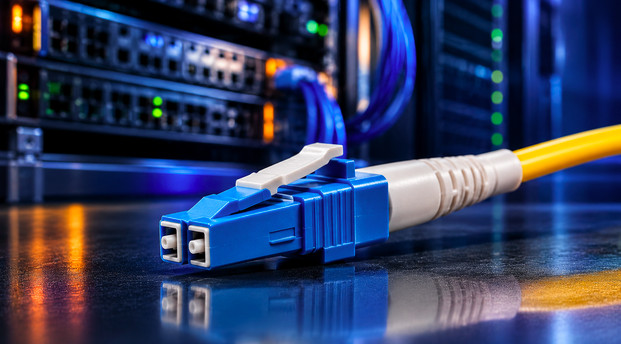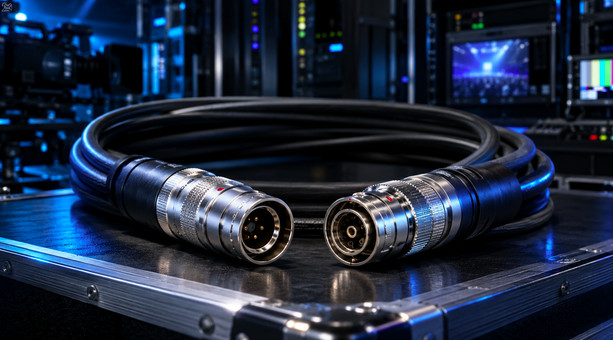
LEMO 311M/304M Cables precision engineered and supplied by Fibre Systems represent the global gold standard for connecting high definition studio cameras, mobile outside broadcast units, and complex stadium transmission systems. By combining high speed optical fibers and heavy duty copper power conductors inside a single ruggedized jacket, these hybrid cable assemblies streamline field workflows while supplying uncompressed 4K and 8K video feeds alongside low voltage camera power. In fast paced live production environments, camera control units and base stations rely entirely on the exact physical alignment of these hybrid connections to deliver zero latency data and continuous electrical current.
Despite their robust exterior design, real world field operations subject every deployed hybrid link to severe mechanical stress, unpredictable mating cycles, and airborne contamination. Technical directors, OB van engineers, and field utility crews understand that subtle connection flaws within a hybrid interface quickly escalate into catastrophic hardware failures. Operating with dirty, bent, or improperly strain relieved connectors can permanently scar expensive optical transceivers, fuse internal electrical contacts, and trigger sudden live broadcast dropouts. Adhering to professional deployment standards and choosing certified hybrid assemblies protects high value broadcast hardware long before physical component destruction occurs.
Why Modern Broadcast Infrastructure Relies on LEMO 311M/304M Cables
Outside broadcast operations and sports stadium productions operate under relentless timing constraints where equipment failure is not an option. Traditional setups required separate power lines, copper control cables, and dedicated optical patch leads running to every camera position. Integrating these signals into a unified LEMO 311M/304M Cables architecture eliminates cable clutter, reduces overall line weight, and speeds up field rigging. However, housing delicate optical glass cores directly alongside high current copper conductors introduces unique structural challenges that require exceptional manufacturing precision.
When field teams connect a hybrid assembly, the stainless steel outer shell must guide the internal optical ferrules into alignment fractions of a second before the electrical pins make contact. If the connector housing suffers from keyway wear, physical denting, or misalignment, the spring loaded ferrules slam together off center. This mechanical impact chips the polished glass faces, leading to immediate back reflection, signal scattering, and high insertion loss across live video channels.
Furthermore, outdoor broadcast environments expose open connector faces to windblown dirt, moisture, and ambient industrial pollution. Connecting dirty hybrid interfaces forces abrasive grit into both the optical glass and the auxiliary electrical pins. The combination of intense laser power and high electrical current across contaminated interfaces creates localized arc points and severe thermal buildup. Utilizing high-performance LEMO 311M/304M Cables engineered with precision stainless steel shrouds and ultra-durable protective boots ensures your high-bandwidth feeds remain pristine while safeguarding expensive base station electronics.
Because field reliability is paramount during live productions, investing in enterprise-grade LEMO 311M/304M Cables prevents costly signal dropouts caused by persistent physical wear. Field engineers consistently rely on LEMO 311M/304M Cables to maintain structural integrity under continuous insertion and removal cycles. Deploying these ruggedized LEMO 311M/304M Cables minimizes insertion loss while isolating delicate optical channels from severe external vibration. Ultimately, standardizing your entire infrastructure with LEMO 311M/304M Cables protects high-value broadcast equipment and delivers consistent, zero-downtime transmission in demanding outdoor venues.
Key Benefits of Deploying Certified LEMO 311M/304M Cables Infrastructure
Adopting precision hybrid cabling standards preserves transmission quality while shielding delicate optical and electrical interfaces from heavy field wear. Equipping your technical crews with certified hybrid assemblies yields immediate operational and financial advantages across every production phase.
- Flawless Optical Light Transmission: Maintains sub decibel insertion loss and low back reflection across long distance uncompressed 4K and 8K camera runs.
- Simultaneous Power and Data Delivery: Supplies stable high voltage electrical power to field camera heads while transmitting high speed bidirectional optical control data.
- Robust Stainless Steel Push Pull Latching: Quick disconnect push pull mechanism prevents accidental disconnects while ensuring smooth alignment during rapid field setups.
- Superior Shielding and Interference Immunity: Multi layer braiding isolates internal copper power lines, preventing electromagnetic interference from corrupting sensitive optical data signals.
- Universal Broadcast Equipment Compatibility: Fully compliant with international SMPTE standards, ensuring seamless integration with leading studio camera systems and CCUs.
The Severe Financial Impact of Hybrid Cable Failure in the Field
Ignoring hybrid cable health and proper connection protocols is a high risk gamble that carries massive financial consequences for production companies, OB van operators, and venue engineering teams. A failing hybrid connection rarely degrades gracefully; it causes sudden signal blackouts and physical interface destruction.
- Permanent damage to camera CCU optical transceivers caused by arcing electrical pins and contaminated ferrule end faces.
- Costly production delays and missed live broadcast windows while technicians attempt emergency cable swaps mid event.
- Structural connector shell deformation requiring expensive factory re-termination and precision alignment testing.
- Complete internal fiber core fracturing caused by severe mechanical pulling without proper strain relief anchors.
Investing in high grade LEMO 311M/304M Cables stock and establishing clear handling guidelines protects your technical infrastructure against premature hardware failure. Every live production relies on absolute connection stability, making engineered hybrid assemblies the true foundation of professional broadcast reliability.
Beyond immediate transmission blackouts, damaged hybrid lines cause subtle power delivery fluctuations that compromise camera performance. Intermittent electrical continuity triggers sudden camera reboots and erratic sensor behavior, leaving production crews scrambling to locate the fault. Deploying ruggedized LEMO 311M/304M Cables completely eliminates these operational headaches, guaranteeing steady power and crystal clear data flow across every camera chain.
Technical Specifications: Standard Generic Hybrid Lines versus Precision LEMO 311M/304M Cables
Choosing optical hybrid cabling requires evaluating mechanical tolerances, shell alloys, and internal fiber buffering under continuous field use. The detailed comparison below highlights the structural differences between standard generic hybrid lines and professional grade LEMO 311M/304M Cables assemblies.
| Technical Parameter | Standard Generic Hybrid Lines | Precision LEMO 311M/304M Cables |
| Shell Material & Coating | Soft brass alloy or basic chrome plating prone to denting and keyway wear | Machined stainless steel housing built for thousands of smooth mating cycles |
| Optical Ferrule Alignment | Commercial grade ceramic ferrules with loose internal alignment tolerances | High precision zirconia ceramic ferrules featuring sub micron core alignment |
| Crush & Flex Protection | Standard PVC outer jacketing with minimal internal aramid reinforcement | Heavy duty polyurethane outer jacket with dense aramid tensile strength braiding |
| Electrical Contact Build | Basic stamped copper pins susceptible to bending and contact oxidation | Gold plated solid copper contacts engineered for maximum current conductivity |
| Environmental Sealing | Basic rubber O rings vulnerable to cracking under UV exposure | IP68 rated weather sealing with high density elastomer strain relief boots |
Evaluating these technical specifications demonstrates why low cost generic cables fail under demanding field conditions. Deploying precision LEMO 311M/304M Cables guarantees that your transmission lines withstand intense mechanical stress without compromising internal glass cores or electrical pin integrity.
Primary Mechanisms That Cause Hybrid Cable and Equipment Damage
Preventing field failures requires technical teams to understand the specific mechanical and environmental factors that threaten hybrid connection health. Educating utility crews on these core damage mechanisms ensures proactive care during daily operations.
1. Angular Mating Force and Keyway Wear
Forcing hybrid connectors together at sharp angles wears down the internal alignment keyways over time. Once the keyway deforms, the connector shell no longer guides the internal optical ferrules correctly, causing them to collide off center and shatter the delicate glass end faces.
2. Airborne Contamination and Pin Arcing
Leaving hybrid connector caps off exposes the recessed optical ferrules and copper power pins to rain, mud, and venue dust. When high voltage power passes through dirty contacts, electrical arcing occurs, burning the gold plating and transferring carbon deposits onto neighboring optical glass cores.
3. Severe Strain Trapping at the Connector Boot
Pulling heavy hybrid cables around sharp corners or hanging long vertical runs without support places immense tension on the rear strain relief boot. Excess tension tears the outer jacket away from the connector body, exposing internal optical fibers to sharp metal edges and moisture ingress.
4. Coiling Kinks and Internal Fiber Microbending
Improper coiling methods force the cable to twist along its longitudinal axis, creating tight internal loops known as microbends. These microbends force light to leak out of the glass core, causing sudden optical power loss and high signal reflection across live video links.
Step by Step Guide: Proper Field Connection and Maintenance Protocols
Following a structured, step by step handling procedure ensures that hybrid interfaces remain perfectly clean, mechanically sound, and completely reliable throughout multi day productions.
- Inspect Connector Shells and Protective Caps
Examine the stainless steel housing, alignment keyways, and rubber dust caps for visible dirt, physical dents, or keyway deformation prior to deployment. - Clean Optical Ferrules and Electrical Contacts
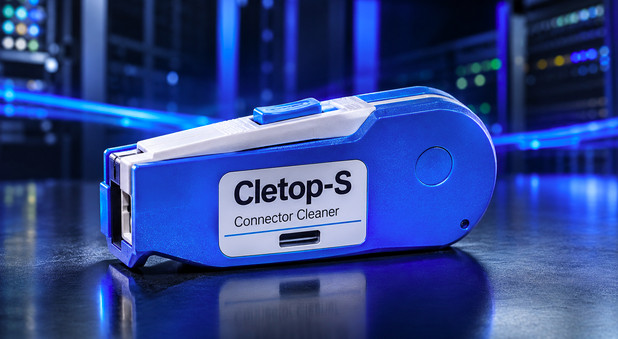
Utilize precision dry click cleaners and optical grade solvent swabs from your maintenance kit to purge dust and oils from recessed ferrule tips and pin receptacles. - Align the Master Keyway smoothly before Engaging
Line up the master keyway on the LEMO 311M/304M Cables connector shell perfectly with the equipment receptacle before pushing the assembly forward. - Engage the Push Pull Mechanism straight without Twisting
Push the connector housing straight into the socket until the stainless steel latch clicks firmly into place. Never twist or rotate the connector body during insertion. - Secure Kellems Grips for Cable Strain Relief
Attach a heavy duty Kellems strain relief grip or cable anchor to fixed venue structures near the camera head or CCU base station to isolate the connection from physical tension.
Advanced Field Reliability Strategies for Outside Broadcast Crews
Maintaining flawless performance across complex stadium runs and festival compounds requires adopting advanced hardware protection strategies. Experienced broadcast engineers implement multiple operational safeguards to extend the working life of their LEMO 311M/304M Cables inventory.
Deploying dedicated inline optical power meters and scope inspection cameras at the OB truck patch panel is one of the most effective ways to prevent hardware destruction. Inspecting ferrule end faces before connecting lines into camera control units prevents contaminated field cables from transferring grit into expensive internal CCU transceivers. If a technician spots debris or ferrule pitting during pre show checks, the line can be isolated, cleaned, or swapped immediately.
In addition to pre connection inspection, organizing cable runs with specialized heavy duty deployment reels preserves internal structural geometry. Using wide diameter reels prevents tight bending around the core hub, shielding internal optical fibers from microbending stress. Utility crews should always utilize the figure eight coiling method when laying out excess line on the ground, allowing the cable to lie flat without twisting or kinking.
Finally, managing protective dust caps discipline across all field teams is essential. High quality spring loaded metal dust caps or heavy duty rubber caps must be locked in place the exact second a cable is disconnected from equipment. Protecting open connector ends keeps airborne dust, moisture, and mud out of recessed contact cavities, maintaining factory level optical clarity across every single production.
Compliance and International Telecommunications Wiring Guidelines
All commercial media installations, stadium cabling systems, and temporary outside broadcast deployments must adhere strictly to international safety and technical standards. Rules enforced by the Australian Communications and Media Authority govern customer cabling standards, structural insulation, and electrical safety requirements for combined power and data systems.
Following official cabling regulations ensures that installed hybrid setups satisfy mandatory safety benchmarks while preventing hazardous electrical interferences between high voltage supply lines and optical communications infrastructure. Professional engineering leads specify fully certified LEMO 311M/304M Cables assemblies to pass rigorous venue compliance audits and maintain uninterrupted broadcast authorizations. Following approved deployment standards protects production personnel from electrical hazards while ensuring consistent signal transmission.
Long Term Operational Advantages of Standardizing Hybrid Infrastructure
Upgrading to high quality tactical hybrid assemblies and enforcing strict field care procedures provides major long term operational benefits and direct cost savings for broadcasting networks, production facilities, and equipment rental houses.
- Unrivaled Signal Integrity: Low loss optical ferrules and shielded power lines preserve crystal clear video transmission across long venue distances.
- Reduced Capital Expenditure: Preventing ferrule chipping and pin oxidation directly lowers annual connector re-termination bills and CCU repair costs.
- Streamlined Production Workflows: Intuitive push pull latching allows utility crews to connect and disconnect camera chains rapidly under tight production schedules.
- Maximum Rental Asset Lifespan: Rugged stainless steel housings and heavy duty polyurethane jacketing withstand hundreds of demanding field deployment cycles without failure.
Standardizing your camera inventory around certified LEMO 311M/304M Cables creates a resilient, high performance infrastructure capable of handling the toughest broadcast environments. The mechanical precision built into these assemblies gives technical directors absolute peace of mind during high stakes live events.
Furthermore, investing in superior hybrid cabling boosts field team productivity. When utility crews work with reliable, tangle resistant LEMO 311M/304M Cables setups, troubleshooting times plummet. Technical teams spend less time diagnosing erratic power drops or optical loss alerts, allowing engineers to focus on delivering flawless live coverage for every client.
Summary Checklist for Hybrid Cable Maintenance and Safety
Preserving optical and electrical performance across years of continuous field use requires consistent discipline, systematic inspection, and proper gear handling. The operational checklist below highlights essential rules every utility crew must follow when deploying hybrid cables.
- Inspect keyways, ferrule tips, and pin cavities before making any connection.
- Always push connectors straight in without twisting or forcing the housing.
- Apply Kellems strain relief grips near camera heads and CCUs to isolate tension.
- Clean optical end faces using pure solvent and specialized click cleaning tools.
- Locking protective dust caps over the open connector ends immediately upon disconnection.
Frequently Asked Questions
What is the primary difference between LEMO 311M and LEMO 304M connector configurations?
LEMO 311M connectors feature a specific pin and ferrule layout designed for camera head connections, whereas LEMO 304M connectors utilize a complementary interface configuration tailored for CCU base stations and patch panel terminations.
Can dirty copper power contacts affect optical transmission in a hybrid cable?
Yes, dirty electrical contacts cause electrical arcing, generating intense heat and carbon buildup that degrades adjacent optical ferrule seals and alters glass core alignment.
How does the push pull latching mechanism protect equipment interface ports?
The push pull mechanism locks securely into the receptacle shell, preventing accidental disconnects from cable tugs while allowing quick release when pulling back on the outer sleeve without exerting stress on internal pin connections.
Why is Kellems strain relief mandatory on long vertical hybrid cable runs?
Kellems grips distribute the heavy vertical weight of the cable evenly along the outer polyurethane jacket, preventing raw mechanical tension from tearing internal fibers or pulling pin terminations out of the connector housing.
How do field crews repair damaged optical ferrules inside a LEMO hybrid connector?
Field repair requires removing the connector backshell, cutting away the damaged fiber segment, and performing precision re-termination or fusion splicing using specialized LEMO field toolkits, followed by optical polishing and inspection.
Protect Your Broadcast Assets with Precision Hybrid Solutions
Eliminating live feed dropouts and protecting valuable base station electronics requires utilizing battle tested hybrid cables engineered for extreme physical environments. Partnering with Fibre Systems ensures your technical teams have access to industry leading hybrid cable assemblies built for maximum reliability.
For custom hybrid cable length quotes, technical specifications, and expert advice on broadcast infrastructure, contact our engineering team directly through our contact us page. Explore our complete range of tactical broadcast assemblies and optical infrastructure on our products page today.