Signal loss prevention is not a reactive hobby but a strict discipline of precision that defines the difference between a pro engineer and a firefighter. If you are currently spending your weeks jumping between patch panels and desperately trying to stabilize erratic signal levels you are not doing engineering because you are just waiting for a disaster.
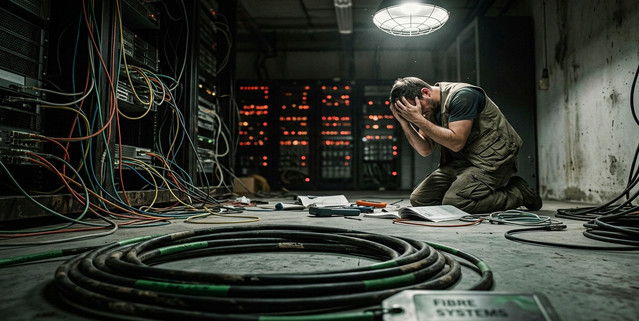
When you treat your network as something to be fixed only when it breaks you are admitting that you have no control over your own infrastructure. Fibre Systems sees this daily as we encounter teams that are so busy troubleshooting that they have become blind to the fact that their entire backbone is fundamentally flawed.
Real Signal loss prevention begins by accepting that if your network is not rock solid it is already failing. Your job as an engineer is not to be a firefighter but to build a system that never catches fire in the first place.
Signal Loss Prevention: Why Your Network Backbone Is A Liability
Your infrastructure should be your company’s greatest asset but when it suffers from chronic signal degradation it becomes a massive liability. A network that drops packets or loses sync is a ticking time bomb. Every time you perform temporary fixes to maintain Signal loss prevention you are adding complexity and potential failure points to your environment.
You might think you are keeping the business on air but you are actually just papering over the cracks. Genuine Signal loss prevention requires you to audit the physical layer rather than just patching the symptoms. If you do not address the root cause you are not troubleshooting because you are just delaying the inevitable system wide outage that will eventually cost you your professional reputation. If you are serious about Signal loss prevention you must stop settling for mediocrity and start demanding total physical integrity.
The Micro Fractures Killing Your Data
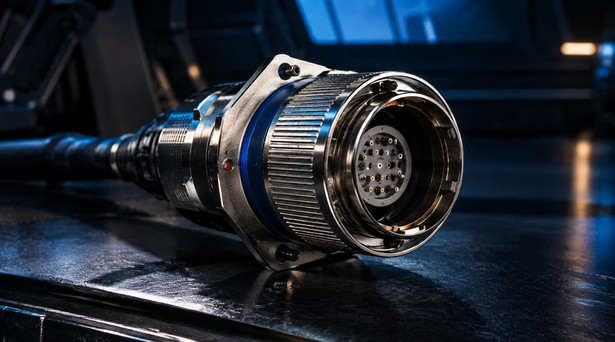
A significant part of Signal loss prevention is often overlooked: the uncompromising quality of the hardware components themselves. If your patch panels and connectors are sourced from the bargain bin, your best efforts will always be an uphill battle against physics. We advocate for high-precision, industrial-grade components because they are engineered to maintain their precise physical geometry even under intense thermal and mechanical stress.
When you choose to rely on inferior hardware, you are actively inviting performance issues through constant reflection and signal scattering. A truly professional approach demands the use of components that provide a consistent, low-loss path for your light signals every single time. If the backbone of your network doesn’t meet this high standard, any policy you write is effectively useless on paper. Fibre Systems provides the robust hardware backbone that makes peak performance possible by systematically eliminating the physical inconsistencies that lead to the kind of hidden degradation that kills a network from the inside out.
Stop Troubleshooting Start Engineering
It is time to move beyond the reactive cycle. Signal loss prevention is an engineering practice rather than a maintenance routine. When you shift your mindset, you stop looking for the fault and start looking for the weakness:
- Swapping cables after failure is for amateurs, while implementing strict standards is for professionals.
- Cleaning connectors when the system is down is too late, whereas constant hygiene is the best practice.
- Adjusting levels on the fly is a desperate move, while engineering for maximum link budget is the goal.
- Treating downtime as expected is a failure, while treating uptime as the absolute baseline is the standard.
- By adopting a proactive strategy, you remove the instability that causes you to panic during high-stakes production and protect your professional sanity.
The Role of Material Science in Signal Loss Prevention
A significant part of Signal loss prevention is often overlooked: the uncompromising quality of the hardware components themselves. If your patch panels and connectors are sourced from the bargain bin, your best efforts will always be an uphill battle against physics. We advocate for high-precision, industrial-grade components because they are engineered to maintain their precise physical geometry even under intense thermal and mechanical stress.
When you choose to rely on inferior hardware, you are actively inviting performance issues through constant reflection and signal scattering. A truly professional approach demands the use of components that provide a consistent, low-loss path for your light signals every single time. If the backbone of your network doesn’t meet this high standard, any policy you write is effectively useless on paper. Fibre Systems provides the robust hardware backbone that makes peak performance possible by systematically eliminating the physical inconsistencies that lead to the kind of hidden degradation that kills a network from the inside out.
Environmental Stability and Signal Integrity
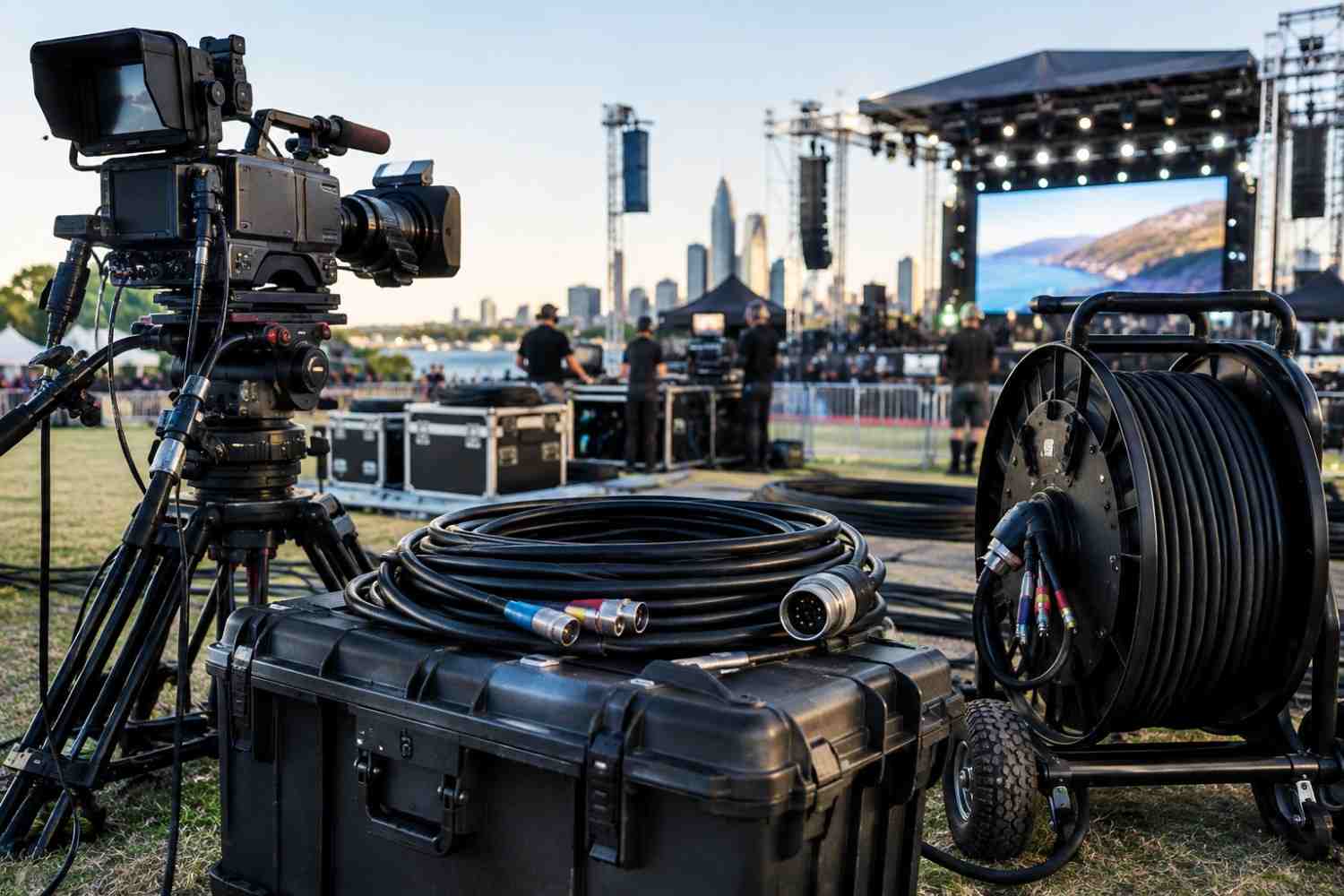
Australian sites are notoriously harsh, and the reality is that extreme heat and constant vibration are the silent enemies of your uptime. Effective Signal loss prevention is practically impossible if you do not account for how these brutal elements relentlessly impact your physical layer. If your racks are subjected to continuous vibration, your connections will inevitably loosen over time, leading to maddening, intermittent micro-disconnections. Similarly, if your environment is subject to wide temperature swings, the materials in your cabling will expand and contract, placing constant, damaging stress on the sensitive glass core.
True, professional-grade protection includes hardware that is specifically ruggedized to absorb these environmental shocks before they reach your critical connection points. When we design for this, we do not just look at the raw data; we analyze the actual site to harden the infrastructure against the harsh reality of the room. Investing in specialized, hardened hardware is the only way to ensure your network does not collapse the moment the temperature rises or the floor begins to shake.
Technical Lifecycle Management for Engineers
For the serious engineering team, Signal loss prevention is fundamentally about rigorous, long-term lifecycle management. You should be capable of documenting the signal health of your network over years of operation, not just fleeting snapshots of current performance. By consistently maintaining detailed logs and performance metrics, you gain the foresight to predict when a specific link is beginning to degrade long before it reaches a critical failure point.
This data-driven approach is the beating heart of our discipline. It is the factor that separates the hands-on technician from the strategic systems architect. When you can definitively show your management that you are proactively overseeing network health through hard metrics rather than blind guesswork, you earn the professional authority to demand the necessary budget to build a truly bulletproof backbone. Relying on Fibre Systems for your needs ensures you have the comprehensive documentation and high-performance hardware required to validate every single one of your engineering decisions.
Step by Step to Better Data Integrity
If you are tired of chasing recurring faults and are ready to actually secure your network, follow this deliberate engineering path.
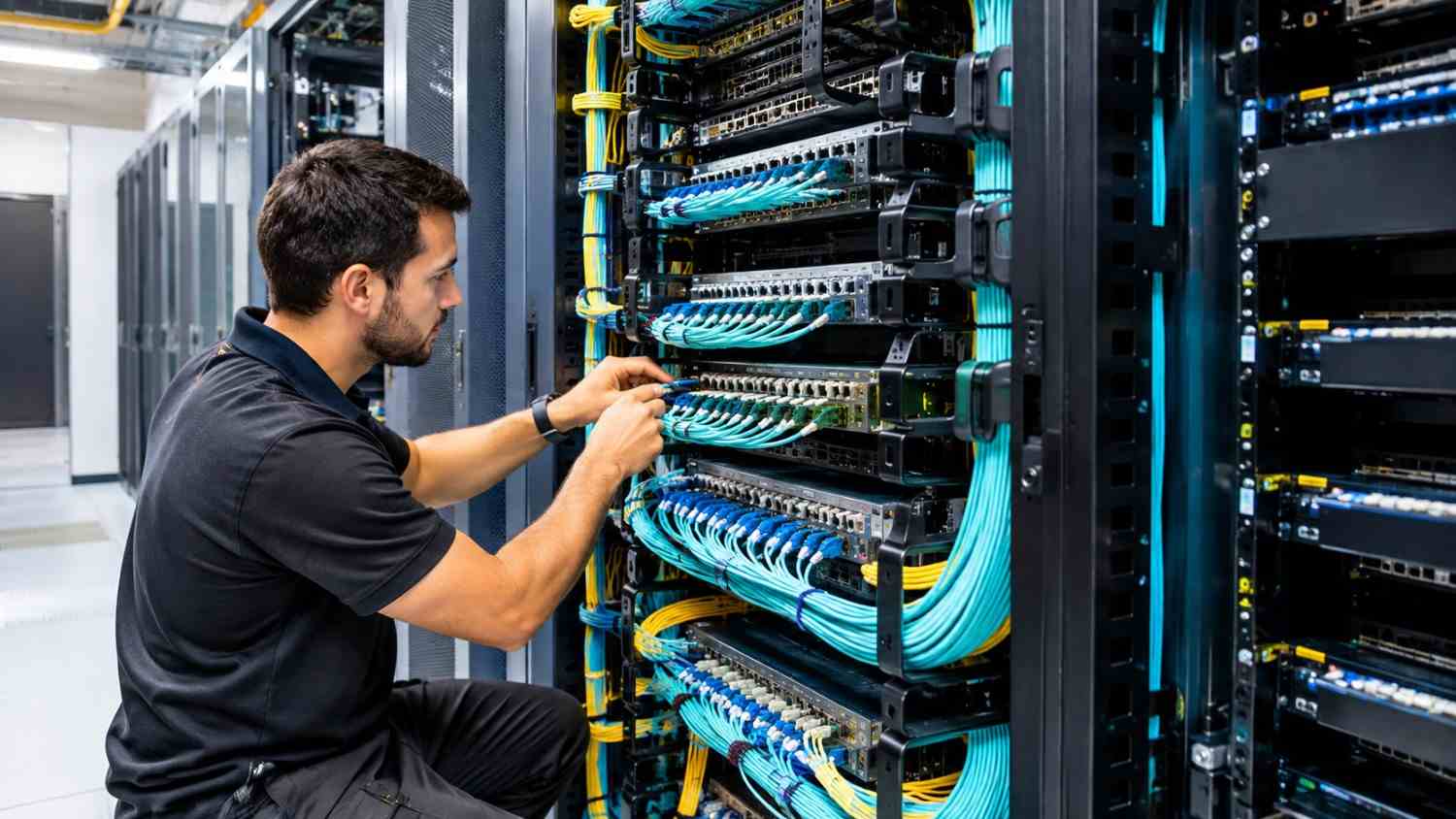
First, you must establish a clear baseline by meticulously measuring the light levels of every link today so you have a concrete definition of what “healthy” looks like for your infrastructure. Second, you must perform a comprehensive audit of the physical layer to identify poor cable management and subpar components that actively sabotage your Signal loss prevention.
Third, implement rigorous, non-negotiable standards by establishing a zero-tolerance policy for dirty, contaminated, or improperly installed connectors. Fourth, invest in high-precision hardware specifically designed for high-availability industrial environments to bolster your ongoing efforts. Finally, shift to continuous monitoring of performance trends; this allows you to leverage diagnostic tools to spot subtle signal degradation and intervene long before it ever escalates into a catastrophic service outage.
Frequently Asked Questions
- Why does signal degradation happen even in clean rooms?
It is rarely just the air. It is usually hidden mechanical stress or aging connectors that people often ignore until they fail. Signal loss prevention requires a proactive look at these physical connections.
- How do I prove I need a budget for this?
Track your downtime. When you show management the cost of reactive repairs versus the investment in a reliable backbone, the return on investment becomes undeniable.
- Can software fixes replace physical maintenance?
Never. Software can hide a failing signal for a while, but it cannot fix a physical layer that is degrading. You must master Signal loss prevention at the physical level to ensure true data integrity.
- Is every connector the same?
Absolutely not. Precision-machined connectors provide the repeatable, low-loss contact needed for performance. Anything less is a compromise that will eventually bite you.
- What is the first sign of failure?
Increased bit error rates or intermittent latency spikes. These are the warning shots your network fires before it finally dies; ignore them and you are choosing disaster.
A Reliable Future Starts with Signal Loss Prevention
Your infrastructure should be as elite as the content you create and it is time to stop gambling with your uptime.Secure your signal and protect your production because building a backbone that actually stays on air is the only way forward. We are ready to help you optimize your Signal loss prevention strategy today. Request a custom audit for your next industrial project by contacting the Fibre Systems team. Our engineers are standing by to audit your site and ensure your Signal loss prevention protocols are built to last. Stop letting poor planning ruin your reputation and start building a future proof network that delivers every single time with the help of Fibre Systems.
For more information on Australian cabling standards, visit the ACMA technical cabling rules.