Reliable network infrastructure is essential for Australian businesses managing cloud applications, data centres, video conferencing, security systems, automation and large volumes of data. As these demands continue to grow, fibre optic connectivity solutions can provide the speed, capacity and reliability needed to keep modern networks running effectively.
Unlike copper cabling, fibre optic technology sends data as pulses of light through optical fibres. This allows information to travel over longer distances with high bandwidth and makes fibre well suited to environments where electromagnetic interference may be a concern.
A fibre network involves more than just the cable. Connectors, adapters, transceivers, patch panels and media converters all play a role in creating a dependable connection. Knowing what each component does makes it easier for businesses, IT teams and network installers to choose equipment that suits the job.
What Are Fibre Optic Connectivity Solutions?
Fibre optic connectivity solutions refer to the range of components used to connect fibre optic cables with networking equipment and other parts of a communications system. These components create the physical connections that allow data to move between switches, servers, routers, and other network equipment.
Depending on the installation, a fibre network may include:
- Fibre optic cables and patch leads
- Fibre optic connectors and adapters
- Patch panels and enclosures
- Fibre optic transceivers
- Media converters
- Splicing equipment
- Fibre termination components
The right combination will depend on the type of network, the distance involved, required speeds, and the equipment already installed.
Why Is Fibre Optic Connectivity Important for Australian Businesses?
A reliable network is important for businesses of all sizes, whether they operate from a single office, multiple sites or a large data centre. Network connections need to handle everyday traffic while allowing room for future growth.
Fibre optic connectivity can provide high bandwidth and reliable transmission over suitable distances. It is also not affected by electromagnetic interference in the same way as copper cabling, which can be useful in industrial and electrically noisy environments.
For Australian organisations expanding their IT infrastructure, fibre can also provide a practical way to connect buildings, network cabinets and other areas of a site.
What Components Are Used in Fibre Optic Connectivity?
A working fibre network relies on several components, and each one has a particular job. Choosing compatible equipment is important because connector type, fibre type, transmission requirements, and equipment interfaces all need to work together.
Fibre Optic Cables
Fibre optic cables contain optical fibres that carry data as light signals. Different cable types are available for different applications, from short connections inside equipment racks to longer links between buildings or network locations.
Fibre Optic Connectors
Connectors provide a removable connection between fibre cables and network equipment. LC, SC, ST, and FC are common connector types, although the correct choice depends on the equipment and installation.
Fibre Optic Adapters
Fibre optic adapters are used to align compatible fibre connectors so that the optical signal can pass between them. They are commonly installed in patch panels, wall outlets, distribution boxes, and fibre enclosures.
How Do Fibre Optic Adapters Work?
A fibre optic adapter holds two compatible connectors in alignment. This allows their ferrules to meet correctly so light can pass from one fibre connection to the other.
The adapter does not convert the signal or increase network speed. Its job is to provide a secure and accurately aligned physical connection between two fibre interfaces.
Different adapters are available for different connector types. For example, LC-to-LC and SC-to-SC adapters can be used where the corresponding connector interfaces are required.
Why Is Adapter Compatibility Important?
It is important to check more than the connector name when selecting a fibre adapter. Fibre mode, connector type, polish configuration, mounting requirements and the intended application should all be considered.
Poor alignment or incompatible components can contribute to additional insertion loss and unreliable connections. Keeping connectors clean and using the correct adapter can help maintain consistent optical performance.
Single-Mode vs Multimode Fibre: What’s the Difference?
Single-mode and multimode fibre are designed for different network requirements. Choosing between them generally depends on factors such as distance, network speed, equipment and the intended application.
Single-mode fibre has a smaller core and is commonly used for longer-distance communication. It is often found in telecommunications, campus networks and connections where data needs to travel considerable distances.
Multimode fibre has a larger core and is generally used for shorter-distance applications, including many enterprise and data centre connections.
Neither option is automatically right for every installation. The fibre type should be selected based on the requirements of the network and the equipment being used.
What Is a Fibre Optic to Ethernet Converter?
A fibre optic to Ethernet converter is a media converter that allows fibre optic infrastructure to connect with Ethernet equipment using copper cabling.
This can be handy when a network needs to use fibre for a longer connection but existing equipment has copper Ethernet ports. The converter provides the interface between the two types of network media.
For example, a business may use a fibre link between two buildings on the same site while using standard Ethernet connections for computers and other devices inside each building.
When Should You Use a Fibre to Ethernet Converter?
A fibre-to-Ethernet converter may be useful when:
- Existing network equipment has copper Ethernet ports.
- A longer Ethernet connection needs to be carried over fibre.
- A fibre backbone needs to connect to existing Ethernet equipment.
- A business wants to introduce fibre without replacing all existing network hardware.
Before choosing a converter, check the Ethernet speed, fibre type, connector, transmission distance, and compatibility with the network equipment.
What Are the Benefits of Fibre Optic Connectivity?
Fibre optic connectivity has become a common choice for networks that need dependable, high-speed communication. Its advantages can make it suitable for offices, data centres, telecommunications infrastructure, industrial sites and larger multi-building installations.
High Bandwidth
Fibre can support high-speed data transmission and is well suited to networks carrying large amounts of information. This can be particularly useful for data centres, cloud-based services, video applications and other bandwidth-intensive workloads.
Longer Transmission Distances
Fibre can carry data over longer distances than many standard copper Ethernet connections. The distance supported will depend on the fibre type, network speed, transceiver and other equipment used in the link.
Resistance to Electromagnetic Interference
Because fibre carries information using light rather than electrical signals, it is not affected by electromagnetic interference in the same way as copper cabling. This makes it useful in certain industrial and electrically noisy environments.
Room for Future Growth
A well-planned fibre installation can provide a solid foundation for future network upgrades. Businesses can consider expected bandwidth requirements and equipment changes when designing their cabling infrastructure.
How Do You Choose the Right Fibre Connectivity Components?
Choosing fibre equipment starts with understanding what the network needs to do. Rather than selecting cables, adapters, or converters individually, it is better to look at how the complete connection will work.
Start by identifying the required network speed and transmission distance. Then check the fibre type and connector interfaces used by the existing equipment.
It is also worth considering:
- Bandwidth and network speed
- Single-mode or multimode fibre
- Connector and adapter compatibility
- Transmission distance
- Insertion loss requirements
- Installation conditions
- Equipment compatibility
- Future network expansion
- Rack space and cable management
Taking these details into account before ordering equipment can help avoid compatibility issues and unnecessary replacement costs.
How Is Fibre Optic Connectivity Used in Data Centres?
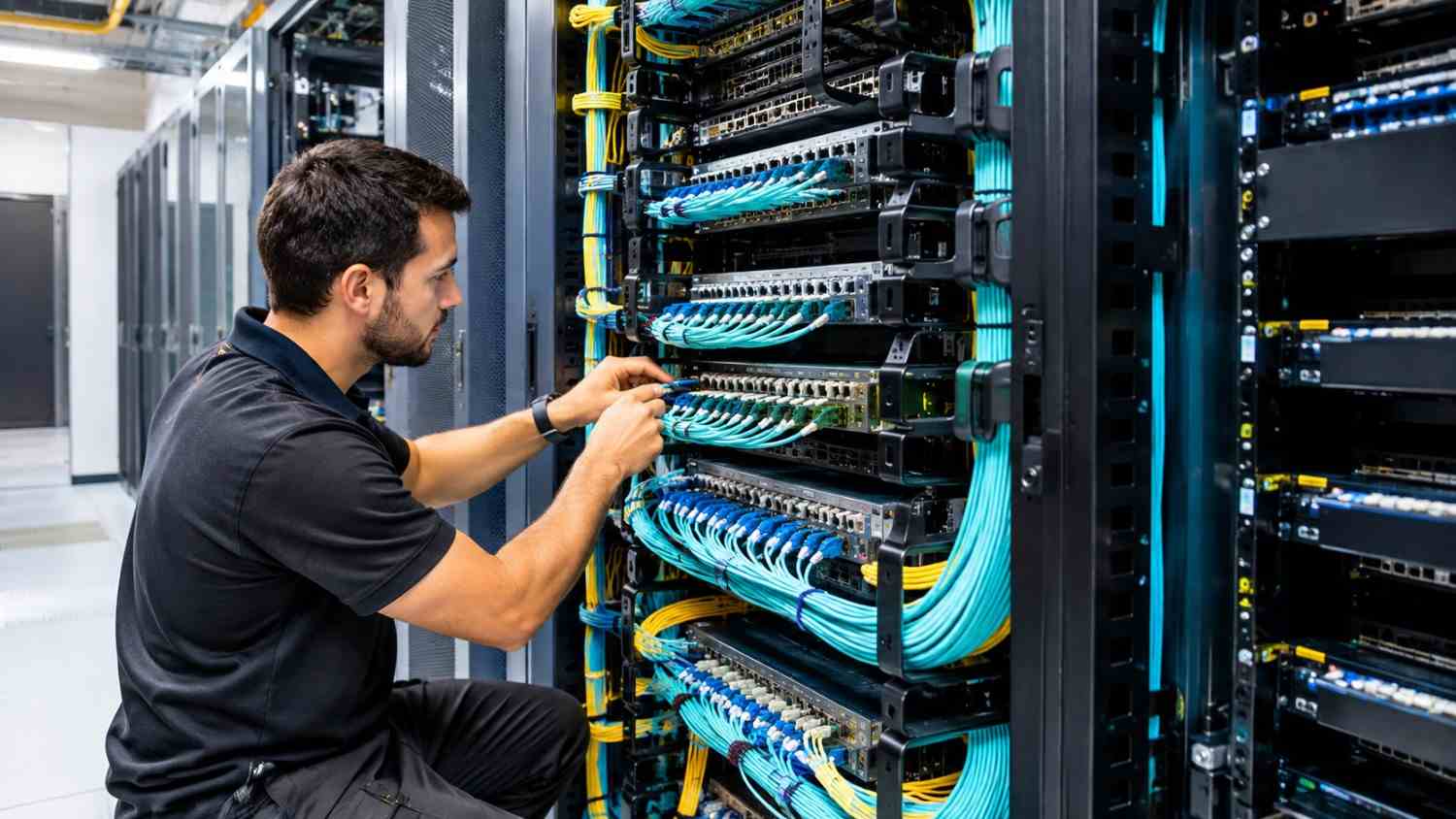
Data centres need reliable connections between servers, switches, storage systems and network distribution equipment. Fibre is commonly used for high-speed links where bandwidth, cable management and network density are important.
A data centre fibre setup may include patch panels, fibre cassettes, adapters, transceivers, patch leads and structured cabling components. Keeping these connections properly labelled and organised makes it easier for technicians to carry out maintenance or trace a connection when an issue occurs.
As network requirements change, modular fibre systems can also make upgrades and expansions easier to manage.
Where Else Is Fibre Connectivity Used?
Fibre connectivity is useful across a range of Australian commercial and industrial environments. It can connect different buildings, network rooms, equipment areas and sites where longer-distance communication is required.
Common applications include:
- Business and office networks
- Data centres
- Telecommunications
- Manufacturing facilities
- Transport infrastructure
- Security and surveillance networks
- Education and healthcare facilities
- Multi-building campuses
The right setup will depend on the site, network layout, environmental conditions and performance requirements.
How Can You Maintain Reliable Fibre Optic Connections?
Fibre optic equipment needs to be handled carefully. Dust, contamination, damaged connectors, excessive bending and poor installation practices can affect optical performance.
Before connecting fibre components, technicians should inspect and clean connectors using appropriate procedures. Cables should also be routed carefully and kept within the manufacturer’s specified bend radius.
Regular maintenance can include:
- Inspecting and cleaning connectors
- Checking cables for physical damage
- Confirming connection points
- Monitoring network performance
- Replacing damaged components
- Keeping network documentation up to date
Good installation and maintenance practices can make troubleshooting easier and help prevent avoidable connection problems.
What Are Common Fibre Connectivity Problems?
Fibre networks can experience connection issues for several reasons. Problems may be caused by physical damage, contamination, incorrect components, poor alignment, equipment faults, or configuration issues.
High insertion loss, for example, can be associated with dirty connectors, damaged components, or excessive connection points. An intermittent connection may indicate a damaged cable or an unreliable connection.
A practical troubleshooting process should begin with the physical connection. Check the connectors and cables, confirm component compatibility, inspect the fibre path, and test individual components where appropriate.
Proper network records and suitable optical testing equipment can also help technicians identify faults more efficiently.
How Can Fibre Connectivity Support Future Network Upgrades?
Businesses are handling more data than ever, with cloud services, artificial intelligence, high-resolution video, virtualisation and connected devices all contributing to network demand.
Fibre can provide a strong physical foundation for these requirements. However, planning for future growth involves more than installing fibre cables.
Transceivers, connectors, adapters, patch panels and network switches should also be considered as part of the upgrade path. Planning these components together can make future changes easier and help reduce disruption to day-to-day operations.
How Do You Choose a Fibre Optic Connectivity Supplier?
Choosing a supplier is an important part of planning a commercial fibre installation. Product specifications should be checked carefully rather than selecting equipment based solely on price.
A suitable supplier should provide clear information about fibre type, connector compatibility, transmission specifications, and intended applications.
For larger installations, businesses may also want to consider:
- Product availability
- Minimum order quantities
- Technical support
- Lead times
- Replacement options
- Product consistency
- Compatibility with existing equipment
Having access to compatible products and technical information can make both the initial installation and future maintenance more straightforward.
Final Thoughts: Choosing the Right Fibre Connectivity
A dependable network starts with the right connectivity infrastructure. Fibre optic connectivity solutions can provide Australian businesses with the bandwidth, transmission distance and reliability required for modern data networks.
From fibre optic adapters and connectors to transceivers and fibre optic to Ethernet converters, every component needs to match the requirements of the network. Fibre type, connection speed, transmission distance and equipment compatibility should all be considered before making a purchase.
Whether you are setting up a new network, connecting multiple buildings or upgrading existing infrastructure, taking a complete approach to fibre connectivity can make installation and future maintenance much easier.
Contact us if you need help choosing fibre optic connectivity components, network requirements, application and technical specifications.
FAQs
What are fibre optic connectivity solutions?
Fibre optic connectivity solutions include fibre cables, connectors, adapters, patch panels, transceivers and other components used to connect equipment within a fibre-based network.
What are fibre optic adapters used for?
Fibre optic adapters align compatible fibre connectors and provide a secure connection between two fibre interfaces in patch panels, enclosures and network installations.
What does a fibre optic to Ethernet converter do?
A fibre optic to Ethernet converter allows fibre infrastructure to connect with Ethernet equipment by providing an interface between optical fibre and copper Ethernet connections.
Should I choose single-mode or multimode fibre?
The choice depends on the network’s distance, speed, equipment and application. Single-mode is generally suited to longer links, while multimode suits many shorter connections.
How do you maintain fibre optic connections?
Keep connectors clean, handle cables carefully, follow bend-radius requirements, inspect connections regularly and replace damaged components to help maintain reliable network performance.