Optimized rack airflow is not just a nice to have industry buzzword that looks good in a quarterly report. It is the physical foundation of your operation, and if you are ignoring it, your facility is running on a lie. If you are currently managing a data centre, you are likely staring at a collection of performance reports that tell you exactly what you want to hear.
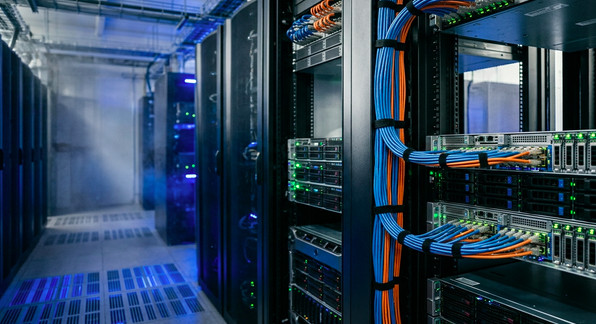
Your cooling units are running at capacity, your power usage effectiveness metrics are within the acceptable range, and your hardware is staying below the thermal threshold. But stop for a moment and look behind the front door of your racks. If you see a tangled mess of cables obstructing the exhaust, you are not managing a high performance facility. You are merely masking the symptoms of a fundamental failure.
Most data centre managers treat cabling as an afterthought. At Fibre Systems, we see this daily. They pull, patch, and pray that the air finds its way to the intake. This is the definition of false efficiency. Optimized rack airflow demands that you acknowledge the brutal physics of your environment. Every single patch cord that hangs in the way of a server exhaust is a microscopic barrier to thermodynamic stability.
When you allow your physical layer to degrade into a chaotic bird nest of cabling, you are forcing your cooling systems to work three times harder than necessary just to push air through a wall of copper and plastic. You think your facility is efficient, but you are just paying for the privilege of bad engineering.
The Thermodynamic Reality of Optimized Rack Airflow
The moment you start talking about optimized rack airflow, you have to move past the metrics and look at the fluid dynamics occurring inside the cabinet. Data centres are not static environments. They are complex, heat generating ecosystems that rely on the laminar flow of cold air into the intake and the efficient removal of hot air from the exhaust.
When you interrupt this flow with messy cable bundles, you create hot spots. These are small, localized pockets of heat that wreak havoc on your server longevity. Optimized rack airflow is the only way to ensure that your hardware is actually getting the cooling you are paying for.
When you do not prioritize optimized rack airflow, you are not just losing efficiency. You are inviting component failure. We have walked into dozens of sites where managers were convinced their cooling was top tier, only to find that the bottom third of the rack was starving for air because the top half was blocked by a massive, disorganized bundle of power cables. That is not a failure of your cooling infrastructure. That is a failure of your cabling hygiene. If you want to claim your facility is truly professional, you must start treating optimized rack airflow as a non negotiable standard.
Why Your Cabling Hygiene Sabotages Optimized Rack Airflow
It is time to be honest about the state of your infrastructure. Your cabling is likely the primary obstacle standing between you and a truly optimized rack airflow environment. Many managers fall into the trap of thinking that cabling is just a secondary concern.
They prioritize the software, the hardware, and the uptime, but they ignore the physical layer that connects it all. This is a fatal mistake. Optimized rack airflow relies on the absolute precision of your cable management. If your cables are not routed correctly, they will block the exhaust ports, causing the hot air to recirculate back into the intake.
This recirculation is the silent killer of data centre efficiency. When your hardware pulls in hot air, it has to ramp up its internal fans to compensate. This increases the power draw of the server, which creates even more heat, which requires more cooling, which forces the cooling units to consume even more power.
It is a vicious, profit draining cycle that all stems from a lack of commitment to optimized rack airflow. If you want to break this cycle, you need to audit your physical layer with total, uncompromising scrutiny. Achieving optimized rack airflow requires you to see these cables as physical obstructions rather than just utilities.
Achieving Optimized Rack Airflow Through Discipline
True discipline in the data centre looks like clean, vertical cable management. It looks like perfectly measured patch cords that do not dangle in the airflow path. It looks like blanking panels that prevent air from bypassing the servers. When you commit to optimized rack airflow, you are committing to a higher standard of operational excellence.
You are saying that you care enough about your infrastructure to ensure that every single watt of power you spend on cooling is actually being used to cool your equipment, not the air circulating inside the rack. Optimized rack airflow is a discipline that requires constant vigilance.
It is not a one time installation that you can set and forget. Every time you add a new piece of hardware, you must ensure that your cabling strategy remains consistent with your optimized rack airflow goals. If you allow the standard to slip just a little bit with every move, add, or change, you will eventually find yourself right back where you started.
You must maintain the integrity of your airflow path at all times, because even a single improperly routed cable bundle can be enough to disrupt the thermal balance of an entire row. This is why teams that master optimized rack airflow see such a dramatic shift in their operational reliability over time.
The Economics of Optimized Rack Airflow
Let us talk about the bottom line. Optimized rack airflow is not just about keeping your hardware cool. It is about reducing your OPEX. When you improve the thermal efficiency of your environment, you can often increase the temperature setpoint of your cold aisle without any risk to your hardware.
This small, data driven change can lead to massive savings in your monthly energy bills. But you cannot do this if your facility is riddled with hot spots caused by poor cabling. Optimized rack airflow provides you with the headroom you need to operate at peak efficiency.
The money you save through optimized rack airflow can be reinvested into more critical areas of your business. It is a win for your budget, a win for your sustainability goals, and a win for your long term hardware reliability. When you see a data centre manager who consistently delivers low PUE numbers, you are almost always looking at someone who has mastered the art of optimized rack airflow.
They understand that their physical layer is the foundation of their entire energy strategy. They do not just manage servers; they manage the environment around those servers with absolute precision. Optimized rack airflow is quite simply the most overlooked lever for profit.
Implementing Optimized Rack Airflow Standards
If you are ready to stop pretending your racks are efficient, you need to implement a strict, site wide standard. Optimized rack airflow should be a part of your standard operating procedure for every single technician and contractor who steps foot in your facility.
This means having clear, documented guidelines on how cables should be routed, what types of patch cords are permitted, and exactly how blanking panels should be installed. Optimized rack airflow is not something you can achieve by accident. It is the result of intentional, rigorous, and persistent management.
Start by auditing your current environment. Measure the temperatures at the intake and exhaust of every single rack. Identify the hot spots and look for the physical obstructions that are causing them. Once you have a clear picture of the problem, begin the process of cleaning up your cabling.
It will be a time intensive task, but it is one that will pay for itself in energy savings and hardware longevity almost immediately. Optimized rack airflow is a process of constant improvement, and it starts with your commitment to get it right. By establishing these rules, you make optimized rack airflow the baseline for your team.
Frequently Asked Questions
- How does cabling affect energy costs?
Poorly managed cables block airflow, forcing your cooling systems to work harder, which directly increases your electricity consumption.
- Is optimized rack airflow really that important for small sites?
Yes, every data centre, regardless of size, benefits from lower energy bills and improved hardware longevity through better thermal management.
- Can I achieve optimized rack airflow without buying new racks?
While professional racks help, you can make significant improvements immediately by using cable management accessories, blanking panels, and proper patching techniques.
- How often should I audit my airflow?
You should check your physical layer whenever you make significant hardware changes, but a general audit of your optimized rack airflow strategy should happen at least twice a year.
- What is the first step to better cooling?
The first step is to remove all unnecessary cabling and install blanking panels in all empty rack spaces to prevent hot air recirculation.
Summary of Benefits
Implementing a strategy focused on optimized rack airflow delivers measurable results that go far beyond just tidiness:
- Drastically lower energy consumption by reducing the load on your CRAC units.
- Extended hardware lifespan by eliminating damaging localized hot spots.
- Increased data centre capacity by allowing higher density deployments without thermal risk.
- Faster troubleshooting times because technicians can actually access equipment without moving nests of cables.
- Improved regulatory compliance scores by meeting modern sustainability and efficiency standards.
- Enhanced operational stability that prevents sudden outages caused by thermal throttling.
Scaling Optimized Rack Airflow for Future Growth
The challenge of optimized rack airflow only grows as your facility scales. As you add more density, the thermal requirements become even more extreme. You cannot simply throw more cooling at the problem. You have to optimize the delivery of that cooling.
Optimized rack airflow is the only way to manage high density environments. If you do not have a robust, disciplined approach to your physical layer now, you will never be able to handle the heat loads of the future.
Building your facility for optimized rack airflow means thinking about the long term. It means selecting racks that provide plenty of room for both cable management and air bypass. It means designing your hot and cold aisles with the precision of a laboratory.
If you fail to build for optimized rack airflow from the beginning, you will spend your entire career chasing heat problems that you created for yourself. Choose to do it right today, and your future self will thank you for the extra effort. Optimized rack airflow is the only sustainable way to grow.
Optimized Rack Airflow and Operational Uptime
Finally, let us consider the impact of optimized rack airflow on your uptime. Heat is the enemy of reliability. When your components run hot, they fail more often. Optimized rack airflow keeps your components running in their ideal thermal range, which drastically reduces the risk of sudden, catastrophic hardware failure. When you make optimized rack airflow a priority, you are effectively building a layer of insurance for your uptime. You are protecting your business, your data, and your reputation.
Do not let poor management force you into a state of reactive maintenance. Take control of your thermal environment today. Optimized rack airflow is the hallmark of a world class data centre. It is the invisible, silent standard that separates the amateurs from the professionals. If you are serious about your facility, if you are serious about your energy costs, and if you are serious about the longevity of your hardware, then start treating optimized rack airflow with the respect it deserves. It is time to stop pretending. It is time to start optimizing. Contact our team to discuss how we can help you implement a professional optimized rack airflow strategy that actually delivers results.
Need to verify your site standards? For more information on Australian cabling standards, visit the ACMA technical cabling rules.