In heavy-duty industrial environments, network reliability isn’t just a technical concern—it directly impacts productivity, safety, and profitability. Procurement managers and operations leaders often face the same dilemma: do you go for a cheaper cabling option now, or invest in a more robust solution that delivers long-term value?
At first glance, standard copper or basic fibre cabling might seem like the economical choice. But when you consider the full lifecycle of your network, industrial fibre optic cabling consistently delivers stronger returns. Understanding the real difference between rugged fibre and standard cabling helps organisations reduce downtime, control maintenance costs, and minimise operational risk.
Why Industrial Fibre Demand Is Growing
Operations in mining, chemical processing, and large-scale manufacturing are becoming increasingly automated and data-driven. Real-time monitoring, control systems, and high-speed data exchange are now essential for keeping sites efficient and safe.
Traditional cabling systems often struggle in these conditions. Vibration from heavy machinery, chemical exposure, extreme temperatures, and the risk of physical damage turn “cheap” cabling into a recurring expense.
Industrial fibre optic cabling, on the other hand, is built for these conditions. Ruggedised fibre offers durability, consistent performance, and resistance to electromagnetic interference—benefits that translate into long-term cost savings.
Why Standard Cabling Falls Short
Copper cabling has clear limitations in industrial settings: it corrodes over time, suffers signal loss over long distances, and is vulnerable to electromagnetic interference. Standard fibre improves bandwidth but often lacks the physical protection needed for harsh environments.
When cables fail, the costs are immediate and significant: unplanned downtime disrupts production, safety systems can be affected, and supply chains may be delayed. Frequent repairs and replacements quickly outweigh any initial savings.
The Lifecycle Advantage of Rugged Fibre
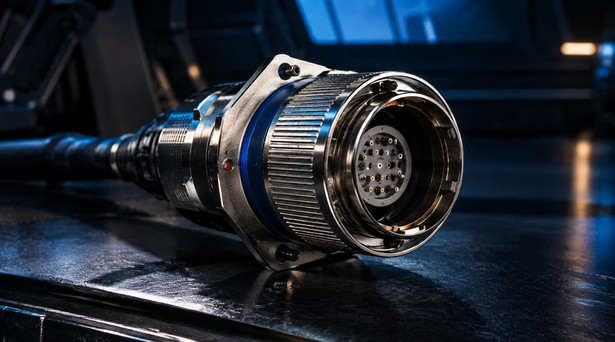
Rugged fibre’s biggest strength is reliability over time. Reinforced jackets, armouring, and crush-resistant designs protect the core fibres from vibration, moisture, chemicals, and physical impact.
Fewer Repairs, Less Downtime
Maintenance is one of the most underestimated costs in industrial networks. Standard cabling often requires constant attention, leading to labour costs, disruptions, and reactive fixes. Rugged fibre lasts longer and fails less often, keeping operations running smoothly.
Clear Long-Term ROI
While the upfront investment in rugged fibre is higher, the payoff is clear. Lower maintenance, extended lifespan, reduced downtime, and support for high-speed, long-distance communication all contribute to long-term savings. Modular designs also allow sections to be replaced without shutting down the entire network, further protecting productivity.
Fibre vs Copper in Industrial Environments
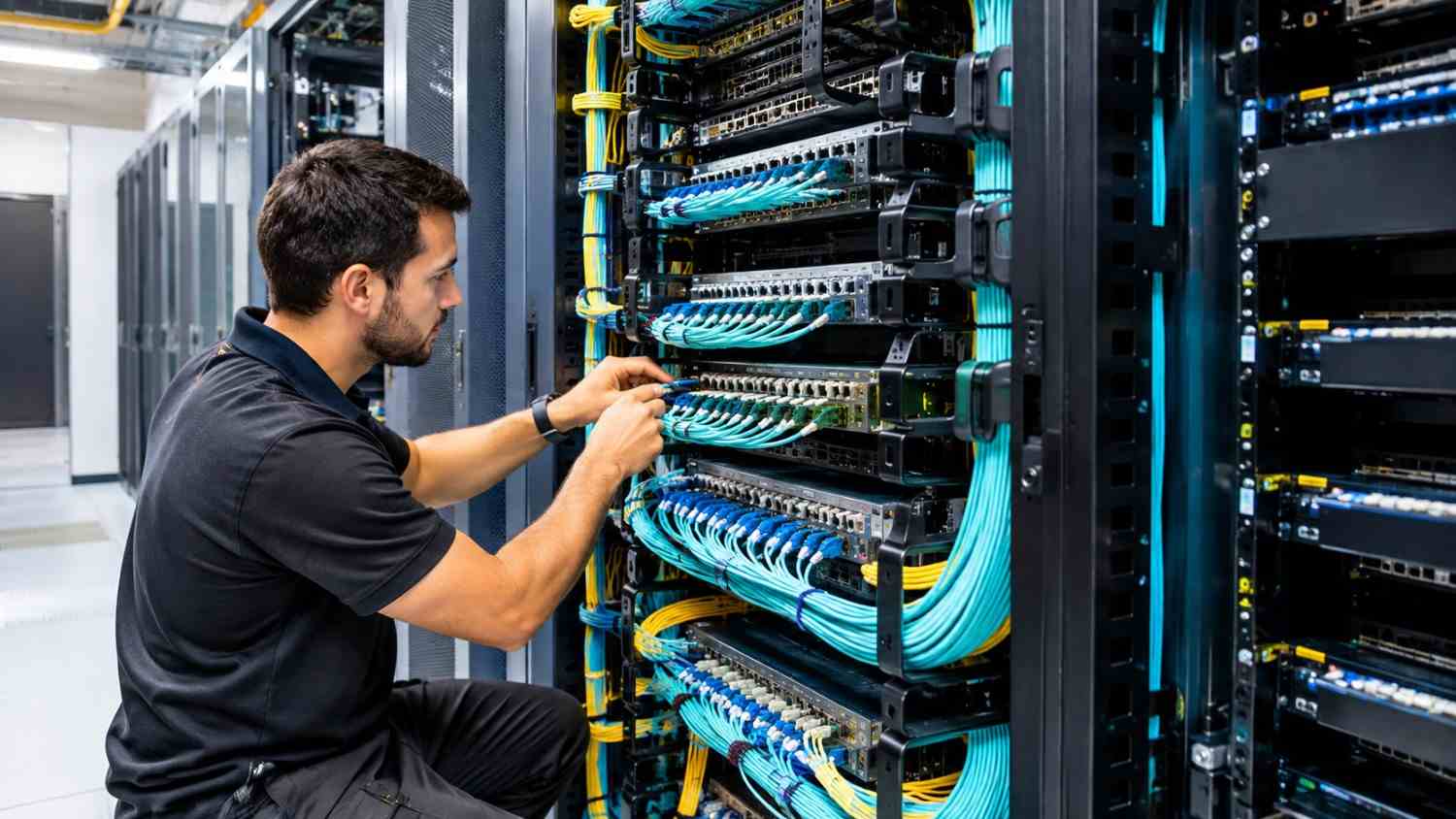
Fibre outperforms copper in almost every measure: higher bandwidth, longer transmission distances, and complete immunity to electromagnetic interference. High-density fibre panels improve cable organisation, simplify troubleshooting, and support complex network layouts—advantages copper simply can’t match.
Proven Results from Real-World Deployments
Industries that switch to rugged fibre consistently see measurable benefits:
- Mining operations: fewer network outages underground
- Chemical plants: reduced replacement cycles and lower exposure risk for maintenance teams
- Manufacturing facilities: modular fibre panels allow rapid reconfiguration without production downtime
These outcomes show a clear pattern: when operational continuity matters, rugged fibre delivers.
Safety, Efficiency, and Scalability
Reliable networks aren’t just about productivity—they’re critical for safety. Fibre supports real-time monitoring of hazardous areas, equipment diagnostics, and emergency communications. Rugged fibre ensures these systems remain functional under extreme conditions.
High-density management also reduces human error during maintenance or expansion. As automation, IoT devices, and data analytics become standard, fibre provides the scalability needed to keep operations running smoothly.
Technical Advantages That Make a Difference
- Low-latency, high-bandwidth communication: Essential for robotics, automation, and real-time analytics.
- Immunity to electromagnetic interference: Stable communications even in electrically noisy environments.
- Built for extremes: Rugged fibre withstands heat, cold, moisture, vibration, and chemical exposure.
Designing Networks That Can Grow
Industrial operations evolve constantly. Fibre assemblies, patch panels, and high-density panels make it easy to expand, reconfigure, or integrate new systems without major downtime. This flexibility protects both operations and budgets.
The Real Cost Equation
When you consider maintenance, downtime, replacements, and lost productivity, rugged fibre often proves more economical than cheaper alternatives. In operations where even a single hour of downtime can cost thousands, reliable connectivity is a strategic advantage.
Conclusion
Industrial fibre optic cabling is more than a technical upgrade—it’s a strategic investment. Rugged fibre offers superior durability, resistance to harsh conditions, and immunity to electromagnetic interference. Over time, reduced maintenance, lower downtime, and longer service life deliver a clear return on investment compared to copper or standard cabling.
By choosing rugged fibre, industrial organisations gain a future-ready network that improves safety, efficiency, and long-term profitability.
Contact us to discuss custom industrial fibre solutions, fibre optic assemblies, and high-density panels tailored to your operational needs. Our experts can help design resilient networks that support both today’s operations and tomorrow’s growth.
FAQs
1. Why is industrial fibre optic cabling better than copper or standard cabling?
It delivers higher bandwidth, longer distances, and immunity to electromagnetic interference. Rugged designs ensure reliable performance in harsh conditions, reducing downtime and maintenance.
2. What are the long-term cost benefits of rugged fibre?
Lower maintenance, fewer failures, longer lifespan, and reduced downtime all contribute to a lower total cost of ownership.
3. How do fibre assemblies and high-density panels help?
They simplify installation, improve cable management, and allow quick repairs or expansions in complex industrial networks.
4. Can industrial fibre handle extreme environments?
Yes. Rugged fibre resists temperature extremes, moisture, vibration, and chemical exposure.
5. Is fibre scalable for future technologies?
Absolutely. Fibre networks are modular and future-proof, supporting automation, IoT, and new systems with minimal disruption.