Why Rugged Fibre Optic Cabling Is Essential for Mining and Industrial Environments
Modern mining and heavy industry don’t just rely on machines; they rely on data. From automated haul trucks and equipment sensors to environmental monitoring and remote operations centres, every part of the operation depends on fast, reliable connectivity. When data moves seamlessly, sites run safely, efficiently, and productively. But when it doesn’t, the impact is immediate: safety risks increase, production slows, and costs begin to climb.
This is why fibre optic networks sit at the heart of today’s industrial operations. However, not all fibre is built the same. Standard industrial fibre optic cables are designed for clean, controlled environments like offices or data centres. Mining sites, processing plants, and heavy industrial facilities are the exact opposite: harsh, unpredictable, and demanding.
That’s where ruggedised fibre optic cabling comes in. Designed to withstand constant vibration, crushing loads, moisture, dust, chemicals, and extreme temperatures, rugged fibre provides reliable performance where ordinary cables simply can’t cope. Understanding why rugged fibre optic cables are essential in mining and industrial environments helps engineers and decision-makers create resilient networks, minimise downtime, and support long-term operational growth.
The Connectivity Challenge in Mining and Industrial Environments
Mining and industrial sites are some of the harshest places to deploy network infrastructure. Heavy machinery causes constant vibration. Dust and moisture find their way into everything. Chemicals, oils, and corrosive substances accelerate wear and tear. Temperatures can swing dramatically, especially in outdoor or underground environments.
All of these factors put enormous stress on cabling systems. While standard fibre optic cables perform well in controlled settings, they often lack the mechanical protection needed to survive in these conditions.
Environmental Stress Factors That Threaten Network Reliability
In both underground and open-cut mining, cables are frequently exposed to crushing forces from vehicles, tension from moving equipment, and accidental impacts during daily operations. Moisture and humidity speed up material degradation, while extreme heat or cold can affect performance and longevity.
These realities explain the growing demand for rugged fibre for harsh environments, cables specifically engineered to keep working under constant stress.
Why Traditional Cabling Falls Short
Copper cabling was once the default choice in industrial settings because it was seen as tough and familiar. But modern operations demand far more data than copper can reliably handle. Copper is vulnerable to electromagnetic interference, suffers signal loss over long distances, and corrodes in harsh environments.
Even standard fibre optic cables can fail prematurely if they lack proper armouring and protection. The result is frequent repairs, unplanned downtime, and rising maintenance costs.
Why Rugged Fibre Optic Cables Are Essential in Mining and Industry
The true advantage of rugged fibre lies in its purpose-built design. These cables are engineered for environments where failure simply isn’t an option.
Built to Withstand Physical Abuse
Rugged fibre optic cables feature reinforced outer jackets, armoured layers, and crush-resistant designs that protect the delicate fibres inside. In underground mines, where cables face heavy loads, constant movement, and accidental damage, this robust construction ensures signals stay strong and reliable.
Resistant to Electrical and Chemical Interference
Unlike copper, fibre optics is immune to electromagnetic interference, making it ideal for sites packed with high-powered electrical equipment. In processing plants and chemical facilities, rugged fibre materials are also chosen for their resistance to oils, solvents, and corrosive substances, extending cable life and reducing costly replacements.
Fibre Optic Networks That Keep Modern Operations Running
As mining and industrial sites become more automated and data-driven, the demand for scalable, resilient fibre optic networks keeps growing. These networks support everything from safety systems to real-time analytics and remote control platforms.
Supporting High-Density, Mission-Critical Networks
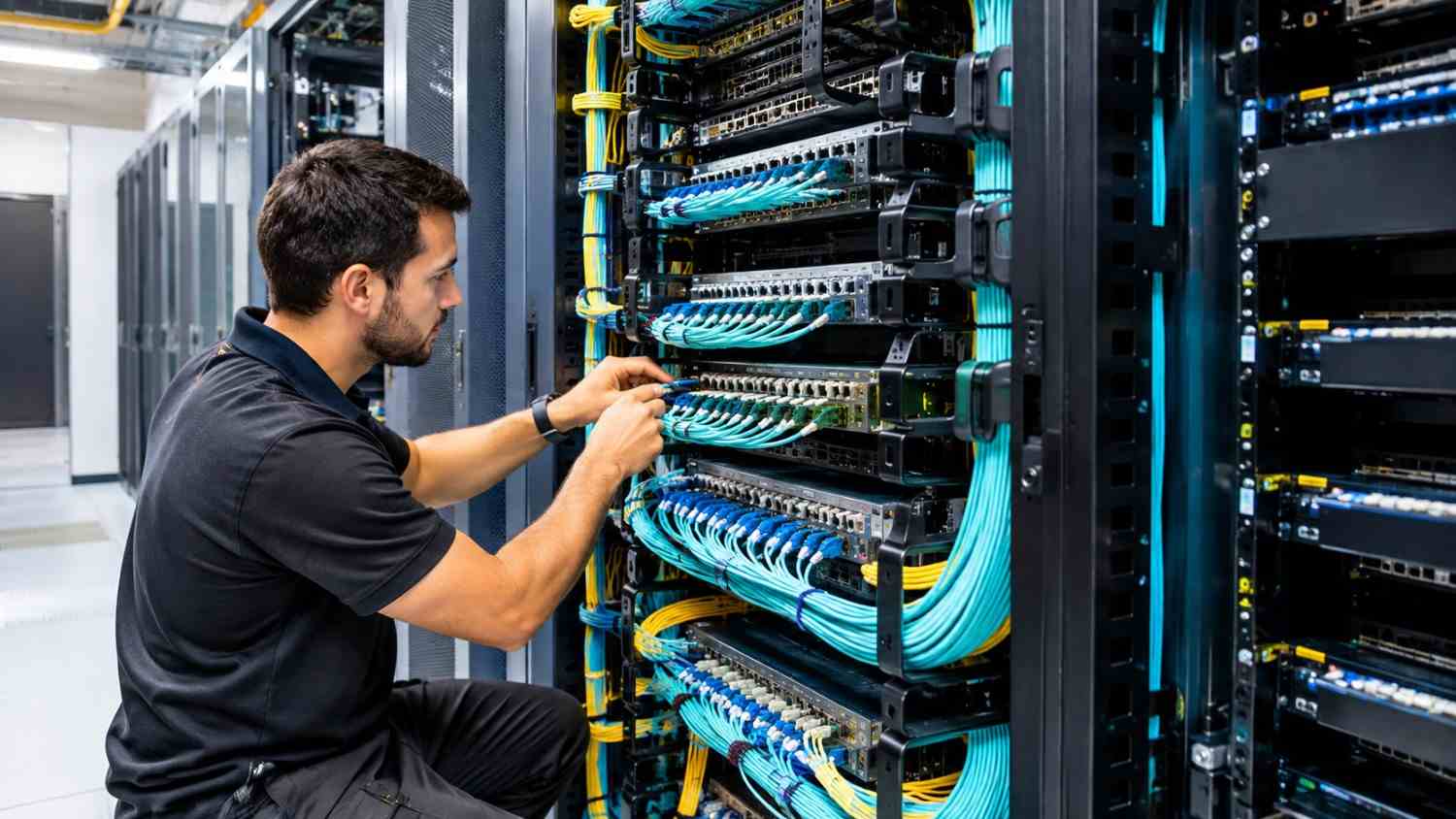
Control rooms, data hubs, and mobile command centres often require dense connectivity in limited space. High-density fibre optic panels make cable management efficient and deployment faster, all while maintaining signal integrity. When paired with rugged cables, they keep complex networks organised and serviceable even in harsh environments.
Custom Solutions for Real-World Sites
No two industrial sites are alike. Differences in distances, layouts, and operational needs mean off-the-shelf solutions aren’t always enough. Custom-built fibre optic assemblies reduce installation errors, improve reliability, and ensure seamless integration with specialised mining and industrial equipment.
Fibre Optic vs Copper for Mines: What Really Matters
Choosing the right cabling for a mine isn’t just a technical detail; it’s a critical decision that affects safety, productivity, and costs. When comparing fibre optic and copper in mining environments, the advantages of fibre quickly become clear.
Better Performance Over Longer Distances
Fibre optics carries much more data over longer distances without signal loss. This is vital on large sites where information must travel from deep underground to surface control rooms or even to off-site monitoring centres. Copper, on the other hand, needs repeaters and extra infrastructure, which adds complexity and creates more potential points of failure.
Lower Costs Over Time
Rugged fibre systems may cost more upfront, but they save money in the long run. Fewer outages, lower maintenance, and longer service life all contribute to a lower total cost of ownership. In mining, where even a single hour of downtime can be extremely costly, reliable connectivity is an investment that pays off.
Real-World Results from Mining Deployments
Case studies from mining operations show the difference rugged fibre makes. After replacing legacy cabling, sites report higher network uptime, fewer incidents, and smoother day-to-day operations.
Safer, Smarter Operations
Reliable fibre networks support advanced safety systems such as real-time gas detection, equipment health monitoring, and personnel tracking. These critical systems rely on uninterrupted data flow, making rugged fibre a cornerstone of modern mine safety strategies.
Ready for the Future
Automation, remote operations, and data-driven optimisation are becoming standard across mining and industry. Rugged fibre provides the scalability to support these technologies without major network overhauls.
Beyond Mining: Other Industrial Applications
Rugged fibre isn’t just for mines, it’s valuable wherever industrial networks face harsh conditions:
Extreme Temperatures and Outdoor Sites: Specially designed fibre performs consistently in scorching heat, cold, or remote outdoor locations.
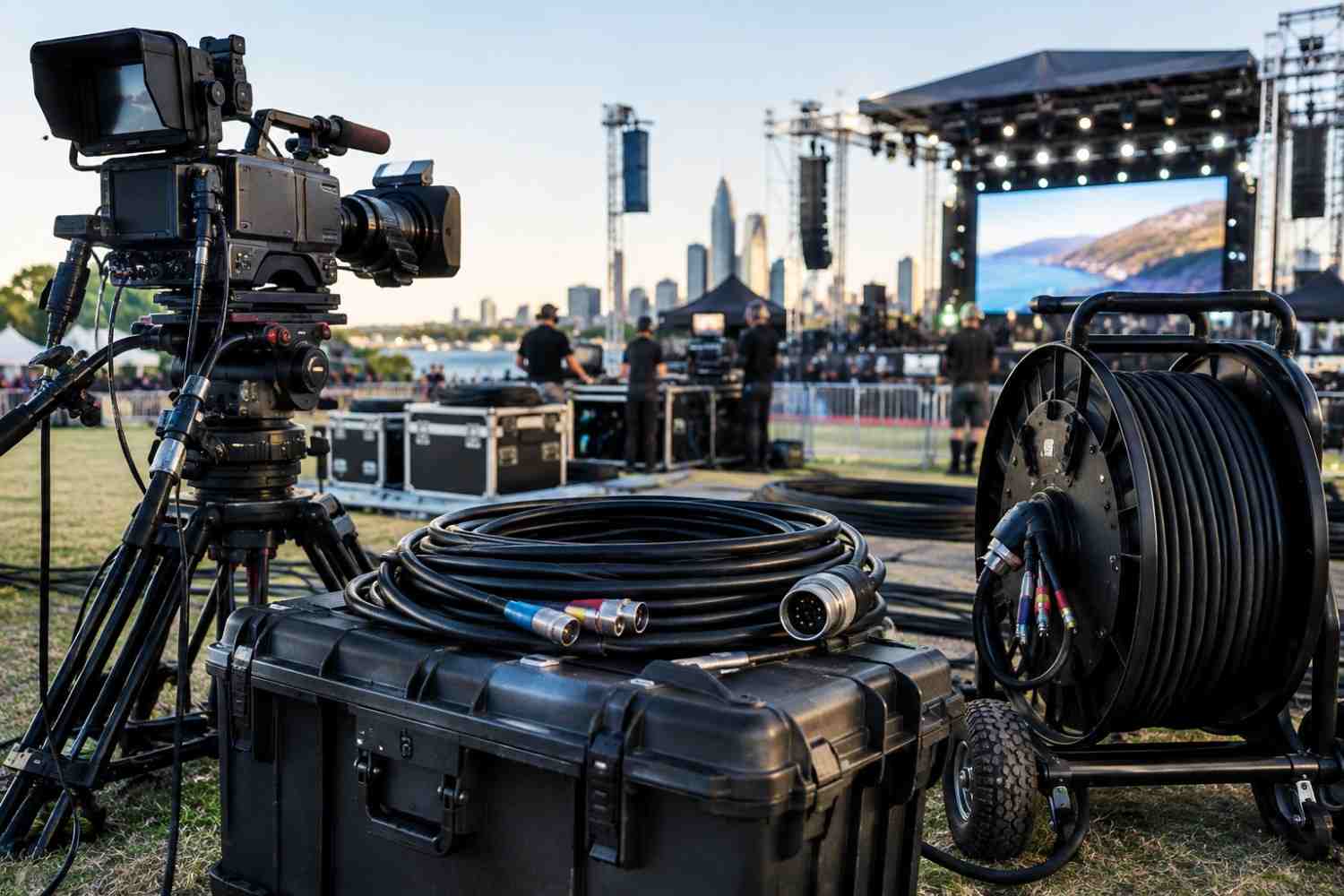
Broadcast and Temporary Installations: Quick deployment, durability, and reliable performance, even with frequent handling or rough environments.
Building a Network That Lasts
As industrial operations rely more on real-time data and automation, strong physical infrastructure is just as important as software and systems. Investing in rugged fibre isn’t just a technical choice; it’s strategic.
Infrastructure That Supports Operational Goals
A well-designed network improves safety, efficiency, and scalability. Rugged fibre delivers all three, reducing the risk of costly retrofits and ensuring consistent performance over the lifetime of the operation.
A Smarter Approach to Industrial Connectivity
At its core, choosing rugged fibre is about managing risk. In environments where downtime isn’t an option, it provides the durability, reliability, and bandwidth that modern operations demand.
Conclusion
Mining and industrial environments operate under constant pressure, where safety, uptime, and efficiency are non-negotiable. Extreme temperatures, heavy machinery, vibration, dust, moisture, and electromagnetic interference make conventional connectivity unreliable and expensive to maintain. In these conditions, network failures are more than technical issues; they can lead to safety incidents, production delays, and significant financial losses.
Ruggedised fibre optic cabling is purpose-built to handle these challenges. It provides stable, high-bandwidth, interference-free connectivity over long distances while reducing downtime and maintenance costs. When deployed as part of comprehensive fibre optic network infrastructure solutions, rugged fibre supports automation, monitoring, security, and real-time data transmission today and into the future.
For tailored guidance on selecting the right rugged fibre solution for your site, contact us to discuss your operational requirements and infrastructure goals. Investing in rugged fibre means investing in a future-ready communications backbone that improves safety, boosts productivity, and ensures long-term resilience in the world’s harshest environments.
FAQs
1. Why are ruggedised fibre optic cables better for mining environments?
Rugged fibre is built to handle the tough conditions of mining. It can withstand constant vibration, dust, moisture, crushing forces, and extreme temperatures, making it far more reliable than standard fibre in harsh environments.
2. How do rugged fibre cables improve industrial network reliability?
These cables resist electromagnetic interference, chemicals, and physical damage. That means connectivity stays stable even near heavy machinery and across critical systems, keeping operations running smoothly.
3. What’s the difference between standard fibre and rugged fibre?
Standard fibre works well in clean, indoor environments like offices or data centres. Rugged fibre, on the other hand, has armouring, reinforced jackets, and crush-resistant designs to survive underground mines, processing plants, and outdoor industrial sites.
4. Are rugged fibre solutions cost-effective in the long run?
Yes. While they might cost more upfront, rugged fibre pays for itself over time with less downtime, lower maintenance, and a longer service life, resulting in a lower total cost of ownership.
5. Can rugged fibre support future technologies?
Absolutely. Rugged fibre networks are scalable and ready for automation, remote operations, real-time analytics, and high-density connectivity, making them a smart choice as industrial sites grow and evolve.