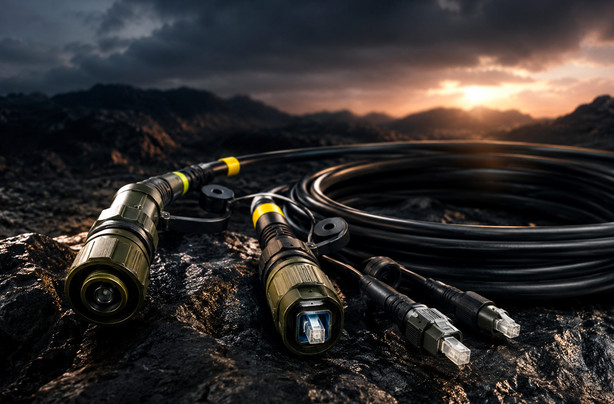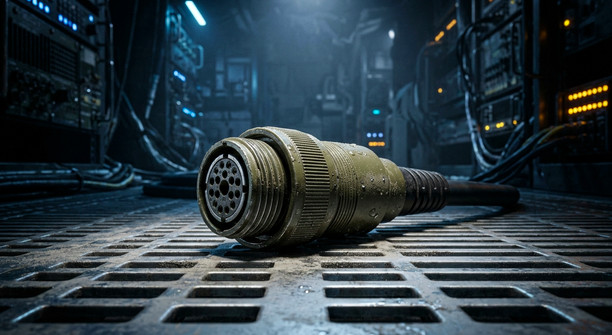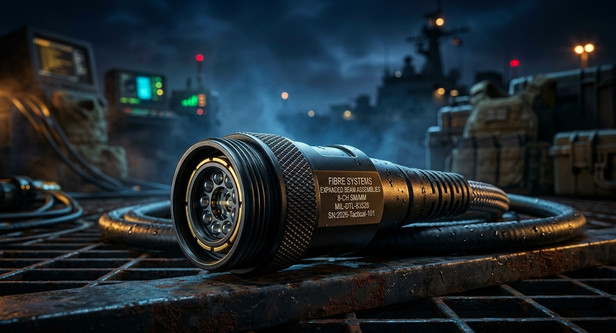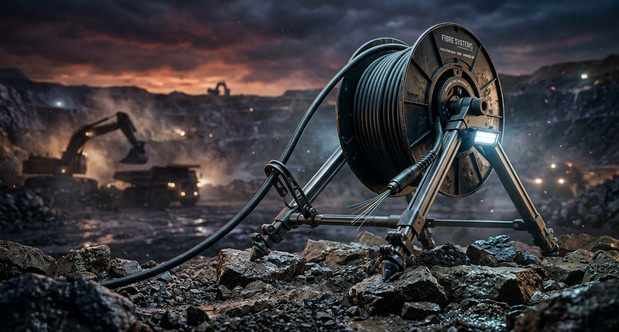
Field Deployment Tripods provide critical stabilization for heavy-duty fiber optic cable reels and dynamic hardware across remote industrial and tactical deployment sites. As temporary network infrastructure becomes essential for mining operations, disaster recovery, emergency services, and high-stakes military communications, managing the rapid, safe payoff of delicate optical fiber in unforgiving environments is a major operational challenge. Fibre Systems engineers tactical deployment solutions that eliminate expensive mechanical failures and protect delicate fiber assets in the field.
Deploying optical fiber over rough, unpredictable, or steeply sloped terrain places extreme mechanical stress on both the cable and its dispensing hardware. Relying on improvised spool stands or unrated stands frequently leads to uneven cable payout. In high-speed deployment scenarios, a slight imbalance can cause severe fiber reel tangles, stopping operations instantly. This dynamic snagging can bend or pinch delicate singlemode fiber beyond its minimum bend radius, creating immediate signal loss and requiring expensive field termination repairs.
Furthermore, field technicians require infrastructure that combines massive payload capacity with rapid portability and stability. Managing a large spool of armored fiber optic cable—often weighing hundreds of kilograms—across a dynamic construction site or muddy terrain demands a base that can stabilize the load on a grade. Choosing low-grade stands that wobble or fail under dynamic tension introduces severe safety risks and threatens total cable run failure at critical moments.
What Is a Field Deployment Tripod System?
A Field Deployment Tripod system is a specialized, rugged, portable stand designed to stabilize large optical fiber spools and complex hardware during dynamic field operations. Engineered to deliver a stable, wide base, this system enables smooth, controlled cable payoff or retrieval in environments where permanent infrastructure is unavailable. It utilizes either three folding legs (tripod) or a modular folding A-frame structure to support a dynamic axle that holds the heavy cable reel.
The defining feature of this tactical hardware is its ability to adjust to unstable ground conditions while supporting high mechanical loads. Premium Field Deployment Tripods are typically constructed from aerospace-grade aluminum alloys, delivering an exceptional strength-to-weight ratio. They feature specialized leveling feet or articulated spiked feet that grip muddy, rocky, or uneven terrain, preventing the assembly from shifting or tipping under dynamic cable tension.
Unlike static workshop stands, tactical tripods include dynamic friction braking systems on the main axle. This crucial component controls the cable reel’s angular momentum, preventing over-rotation (the dangerous condition where the spool continues spinning after the pull stops), which is the primary cause of fiber reel tangles.
Common Challenges in Remote Tactical Fiber Deployment
Managing optical fiber deployment in remote field locations introduces complex mechanical constraints that Static spool hardware is simply unsuited to handle.
- Fiber Reel Tangles and Over-Rotation: Rapid cable pulls generate massive rotational energy. Without an integrated braking mechanism, the heavy spool continues spinning when the pull halts, causing loose loops of cable to accumulate, overlap, and tangle catastrophically on the axle.
- Equipment Snagging on Rough Surfaces: Dragging armored or tactical fiber over jagged rocks, logs, or debris frequently results in equipment snagging. This sudden shock to the fiber core can break strands or damage the cable jacket.
- Stand Failure on Uneven Ground: Standard stands lack the articulated feet required to compensate for sloped or muddy terrain. Under dynamic tension, these unstable bases wobble, shift, or collapse, endangering personnel and expensive fiber assets.
- Mechanical Spool Wear and Jacketing Scrapes: Misaligned axles or stands with rough internal edges rub against the spool’s side plates, introducing mechanical resistance and scraping the outer jacketing of the fiber as it pays out.
- Deployment Slowdowns Due to Instability: Technicians must frequently slow down the pull speed to manually stabilize an unstable spool stand, drastically reducing deployment efficiency in mission-critical scenarios.
Integrating a robust Field Deployment Tripods solution directly mitigates these logistical and mechanical failure points. By providing a broad, stable base and controlled rotational dynamics, tactical tripods ensure that fiber optic cable pays out smoothly and reliably, regardless of site conditions.
Technical Performance Standards for Rugged Field Deployment Hardware
Evaluating the structural and operational parameters of Field Deployment Tripod systems ensures proper integration into demanding industrial or tactical field environments.
- Dynamic Payload Capacity: Premium tactical stands support dynamic payloads ranging from 200 kilograms to over 500 kilograms, easily accommodating large reels of armored tactical fiber.
- Terrain Adaptability Mechanism: Features articulated spiked feet with detachable rubber pads or telescoping legs for stabilizing the tripod base on extreme slopes or muddy grounds.
- Integrated Over-Rotation Brake: Utilizing a mechanical drag or friction braking system is essential to control angular momentum and eliminate the risk of severe fiber reel tangles during rapid deployment.
- Portable Strength-to-Weight Ratio: Engineered using high-grade T6 aluminum alloys to deliver massive strength while weighing under 25 kilograms per unit, ensuring rapid portability across dynamic sites.
- Rapid Deployment Design: Utilizes quick-release pins and folding frame geometry to achieve complete field setup and breakdown in under five minutes without requiring tools.
- Fiber Protection Elements: Incorporates dynamic tension monitors and smooth, contoured guide arches to maintain optimal bend radii and prevent dangerous cable snagging.
- Environmental Weather Resistance: All structural components and axles are anodized or treated for severe saltwater, chemical, and UV exposure (IP65+), ensuring long-term tactical survivability.
Comparison: Traditional Static Stands vs. Tactical Deployment Tripods
Selecting the correct payout hardware approaches directly impacts deployment efficiency, cost, and field reliability. The comparative table below details why tactical systems outperform static designs in dynamic environments and pastes flawlessly into engineering documentation.
| Evaluation Criteria | Standard Static Spool Stand | Tactical Field Deployment Tripod |
| Ground Stability | Fixed base (Requires level ground) | Variable leveling feet (Stabilizes on grade) |
| Load Bearing Type | Static (Limited weight rating) | Dynamic (High axial force rating) |
| Over-Rotation Control | Manual (Risk of severe fiber reel tangles) | Integrated dynamic braking system |
| Portability / Weight | Heavy steel (Bulky and non-folding) | Lightweight aluminum (Rapidly deployable) |
| Terrain Gripping | Minimal (Prone to dynamic shifting) | Articulated spikes/pads (Positive grip) |
| Cable Path Control | Non-existent (Risk of equipment snagging) | Integrated guide arches / sensors |
| Operational Lifespan | Short in severe weather / corrosion | Extended tactical use (Anodized components) |
Traditional static stands relying purely on gravity for stability introduce dangerous hazards. On an industrial grade, a simple steel stand will pivot under dynamic tension, potentially tipping the heavy spool. Utilizing tactical Field Deployment Tripods allows engineers to secure the stand positively to the ground using integrated ground spikes or sandbags, ensuring complete operational safety.
Furthermore, dynamic braking makes rapid deployment feasible. Without it, a technician must physically hold the reel to apply a manual brake during a pull, which is dangerous and inefficient. Integrated braking on the axle controls the inertia of the reel, allowing for rapid pulls with instant, safe halts.
Eliminating Over-Rotation and Fiber Reel Tangles in High-Speed Payout
A primary cause of fiber optic deployment failure is the condition known as over-rotation. When a field technician pulls a long length of cable at high speed and then suddenly stops the pull, the angular momentum keeps the heavy spool spinning. Without a dynamic brake on the Field Deployment Tripods, this loose spool continuously releases slack cable, causing loose loops to build up, overlap, and tangle on the axle or the spool flange.
Premium tactical tripods utilize a mechanical friction brake integrated into the axle shaft. This system applies continuous drag, which can be adjusted by the operator based on spool weight and cable type. This controlled friction ensures that the reel rotates only when tension is actively applied, stopping immediately when the pull halts. This crucial technology is what allows Field Deployment Tripods to eliminate expensive fiber reel tangles in critical operations.
Choosing tripods with integrated tension monitoring is also essential for maximizing dynamic efficiency. This technology detects sudden increases in cable tension, which are indicative of a snag, and alerts the operator before dangerous tension levels cause equipment snagging or permanent fiber damage.
Tactical Compliance and International Rigging Standards for Field Hardware
Deployment hardware in severe tactical or industrial environments must adhere strictly to established mechanical and safety standards to ensure regulatory compliance and operational safety during high-stakes surveys or SURVEYS.
Compliance with the Australian Communications and Media Authority (ACMA)
guidelines ensures that combined communication and field hardware satisfy rigid safety, performance, and electromagnetic compatibility regulations. When deploying temporary fiber infrastructure, Australian operators must follow regulatory standards to prevent physical damage to fiber optic cables during rapid deployment across public or private land.
Key standards applicable to tactical field hardware include:
- AS/NZS ISO 9001:2016: Quality management systems standard, ensuring consistent manufacturing quality and durability for heavy-duty field deployment tripods.
- AS 3990: Australian standard for mechanical steel and aluminum equipment, certifying the dynamic load ratings and safety factors for industrial tripods and stands.
- ACMA Cabling Provider Rules (CPR): Requirements ensuring that cabling products, including deployment stands, maintain adequate mechanical protection to prevent damage to delicate optical fiber assets during field service.
- MIL-STD-810H: (When applicable) U.S. military standard certifying environmental durability against severe shock, vibration, thermal stress, and corrosion.
Deploying non-compliant or unrated spool stands inside industrial zones or tactical operations introduces severe safety risks during regulatory inspections. Field Deployment Tripods manufactured for remote use undergo dynamic load testing and environmental simulation to ensure that the hardware maintains operational integrity under severe stress while satisfying ACMA and AS 3990 compliance requirements.
Ensuring your tactical Field Deployment Tripods system satisfies ACMA and Australian rigging standards guarantees that the physical payout infrastructure will not buckle, collapse, or cause catastrophic cable run failure during high-stakes remote operations across Australian sites.
Step-by-Step Installation Guide for Field Deployment Tripods in Rugged Terrain
Executing proper field installation techniques ensures maximum stability, prevents hardware failure, and maximizes the operational lifespan of the tripod system.
Step 1: Pre-Deployment Terrain Assessment and Site Selection
Examine the ground condition and slope of the planned deployment site. Choose a relatively stable area if possible, and identify the primary cable pull direction. Verify that the Field Deployment Tripods capacity matches the combined weight of the fiber spool and dynamic hardware.
Step 2: Assemble the Tripod and Set Terrain Spikes
Unfold the tripod legs or A-frame structure and secure all locking pins or quick-release clamps. If deploying on loose soil, mud, or rock, extend the integrated ground spikes on the feet and positively seat them into the terrain. If deploying on finished surfaces, ensure protective rubber pads are installed.
Step 3: Level the Spool Axle and Apply Dynamic Braking
Utilize the integrated leveling bubble or adjustable legs to ensure the main axle is parallel with the horizon. Install the fiber spool onto the axle using proper lifting equipment. Adjust the dynamic friction brake on the tripod axle to apply sufficient drag to prevent free-spooling.
Step 4: Install Cable Guide Arches and Monitor Sensors
Install the smooth contoured cable guide arches or tension monitoring sensors onto the Field Deployment Tripods framework. Thread the optical fiber cable through these elements, ensuring it maintains the minimum specified bend radius without any equipment snagging.
Step 5: Test Payoff and Perform Site Grounding
Conduct a short, controlled manual cable pull to verify smooth rotation, effective dynamic braking, and proper cable tracking through the guides. For tactical setups, connect the overall tripod frame to the vessel or mobile grounding point to prevent electrostatic buildup on the composite fiber jacket.
Field Maintenance and Inspection Protocols for High-Reliability Tactical Tripods
Establishing systematic inspection protocols guarantees that tactical deployment infrastructure maintains optimal strength and prevents catastrophic hardware collapse during critical operations.
- Dynamic Braking System Calibration: Semi-annually inspect the internal friction brake pads for wear or corrosion. Calibrate the brake drag setting against standard test weights to ensure consistent over-rotation control during rapid field deployment.
- Terrain Spike and Leveling Pad Inspection: Quarterly inspect articulated feet for damage to spikes, wear on rubber pads, and smooth operation of telescoping leg locks. Replace any deformed or loose ground gripping hardware.
- Primary Axle Bearing Lubrication: Semiannually lubricate the main axle bearings using high-performance marine grease to ensure smooth spool rotation and minimize rotational resistance.
- Structural Welds and Fastener Check: After each significant field deployment, inspect structural aluminum welds for stress cracking or fatigue, and verify that all quick-release pins and fasteners retain positive locking force.
Mud and saltwater contamination remain the leading cause of permanent tactical tripod damage in remote fields. After deployments, the entire tripod system should be washed down with freshwater and dried before being stored. Unprotected axle bearings or locking mechanisms can rapidly seize if contaminated with fine mining dust or saltwater spray, potentially failing at critical moments during the next deployment.
Using a Hybrid Cable constructed with internal water-blocking gels and swellable aramid tapes prevents water migration along the cable interior. If seawater penetrates an unsealed outer sheath, high ocean pressure forces water axially along internal wire strands, corroding copper conductors and causing micro-bending losses in optical fibers.
Dynamic Spool Payout and Tension Control Systems for Mining Operations
Remote mining operations utilize tactical fiber deployment systems for temporary networking, drone tethering, and automated haul truck sensor monitoring. Managing fiber payout in dusty, dynamic mining environments demands specialized tension control to prevent damaging expensive fiber assets.
A specialized Field Deployment Tripods system serves as the core lifecycle link between dynamic mining machinery and remote operational centers. The cable must deliver multi-gigabit video feeds and sensor data while receiving operational control commands in real time across dynamic, rock-strewn terrain.
Because mining sites operate under perpetual vibration and heavy dynamic loads, cable payout tension must be meticulously controlled. Remote mining operations specify tripods engineered with dynamic tension sensors that continuously monitor cable load. This technology automatically modulates the dynamic friction brake on the Field Deployment Tripods to maintain constant payoff tension, even during varied acceleration of the deployment vehicle, preventing equipment snagging on sharp rocks.
Furthermore, integrating heavy-duty polyurethane jacketing and internal aramid strength members allows the deployed optical cable to endure high abrasion across harsh gravel and mud. This rugged construction prevents physical cable pinching, ensuring continuous, uninterrupted communication backbones across temporary mining corridors.
Enhancing Reliability and Portability for Military and Emergency Communications
Land-based remote military or emergency operations present distinct challenges, demanding rapid portability, quick setup, and total hardware reliability in terms of mechanical impact, dust, and continuous vibration.
Deploying a Field Deployment Tripods across dusty desert terrain or disaster zones provides a centralized solution for rapidly establishing site-wide wireless mesh access points, communication relays, and unmanned aerial vehicle (UAV) command posts. Rather than manually dragging fragile communications cabling across dusty, debris-filled terrain, tactical teams utilize a single armored tactical cable stabilized by tripods.
In high-stakes tactical environments, heavy mobile equipment frequently crosses temporary communication lines. Tactical Field Deployment Tripods featuring robust metal shell housings or reinforced composite sheaths absorb severe mechanical crush loads without crushing internal optical fiber tubes or shorting high-current copper wires.
Additionally, using an integrated Field Deployment Tripods setup simplifies emergency field logistics. Tactical teams only need to stock a single ruggedized stand model in service vehicles, reducing deployment time and lowering inventory management costs across diverse operational sectors.
Future-Proofing Tactical Networks with Robust Payload Solutions
As smart factories, offshore wind farms, and automated ports transition toward Industry 4.0 standards, demand for distributed power and ultra-fast data connectivity continues to accelerate exponentially.
Installing a high-density Hybrid Cable framework throughout the new industrial facility builds future-proofs infrastructure against evolving bandwidth and power requirements. As edge devices, automated guided vehicles, and smart sensors proliferate, having combined power and optical pathways already installed eliminates the cost of retrofitting new conduit lines.
Furthermore, integrating composite cables into utility distribution networks simplifies the deployment of Power over Ethernet extensions and remote antenna systems. Delivering high-voltage DC power across copper cores allows optical conversion nodes to operate hundreds of meters away from primary power distribution panels without requiring local utility hookups.
Partnering with technical specialists ensures that your selected Hybrid Cable configuration features the exact conductor gauge, fiber count, and outer jacketing required to meet present operational demands while accommodating future technology upgrades seamlessly.
Frequently Asked Questions
What is the primary cause of fiber reel tangles during field deployment?
Fiber reel tangles are primarily caused by over-rotation of the cable spool. When a technician rapidly pulls cable and stops suddenly, the heavy spool continues spinning due to angular momentum, creating loose loops of cable that accumulate and tangle catastrophically on the axle unless an effective braking system is used on the Field Deployment Tripods.
Are Field Deployment Tripods compatible with dynamic high-speed fiber payout?
Yes, provided you utilize premium tripods featuring high-performance axle bearings and an integrated over-rotation brake. Dynamic braking is crucial for rapid payoff, as it controls angular momentum and ensures the spool stops instantly when tension is removed, preventing dangerous over-rotation.
How do dynamic braking systems prevent expensive signal attenuation nightmares?
Dynamic braking systems control over-rotation, which prevents loose loops from accumulating and tangling on the axle. These tangles and the sudden tension spikes when removing them can bend delicate fiber beyond its minimum bend radius, creating immediate and expensive signal attenuation nightmares that compromise network throughput.
What terrain types are Field Deployment Tripods unsuitable for?
Premium tactical tripods are designed for maximum terrain adaptability, utilizing articulated spikes or pads. However, extremely steep slopes (greater than a 45-degree angle) that exceed the stability profile of the tripod base should be avoided, as dynamic tension could potentially pivot or tip the assembly.
How are composite cables terminated at junction boxes?
Composite cables are terminated inside specialized breakout enclosures where the outer jacket is stripped back. Copper power wires are routed to heavy-duty terminal blocks or power connectors, while optical fiber strands are spliced into patch panels using standard optical connectors such as SC, LC, or ST types.
Strategic Summary
- Field Deployment Tripods provide stabilization and controlled rotation for heavy-duty fiber optic spools across unstable, rugged terrain.
- Integrated dynamic braking systems control angular momentum and over-rotation, eradicating the severe fiber reel tangles that sabotage field deployment efficiency.
- Rugged construction utilizing T6 aluminum alloys and articulated terrain feet ensures safe payload support on slopes, preventing stand collapse.
- Full compliance with ACMA guidelines and Australian rigging standards (AS 3990) guarantees operational safety, durability, and fire retardancy.
- Implementing continuous dynamic tension monitoring and proper ground anchoring prevents dangerous equipment snagging on rough terrain and ensures maximum field safety.
Prevent Remote Infrastructure Catastrophic Collapses Now
Remote industrial and tactical fiber networks demand absolute structural hardware reliability. Selecting sub-standard field payout stands introduces catastrophic points of failure that threaten tactical communications, disaster recovery operations, and mining automation backbones. Deploying high-precision Field Deployment Tripods guarantees that critical optical links pay out smoothly, safely, and efficiently even in the most severe rugged environments.
Fibre Systems supplies defence-grade, high-performance tactical deployment solutions tailored specifically to the Australian maritime, mining, and industrial sectors. Protect your remote infrastructure from expensive failures and equipment downtime by partnering with proven fiber optic specialists.
Contact our technical engineering team today to discuss your remote deployment specifications, or explore our full product range to find ruggedized optical hardware engineered for extreme environment deployment.