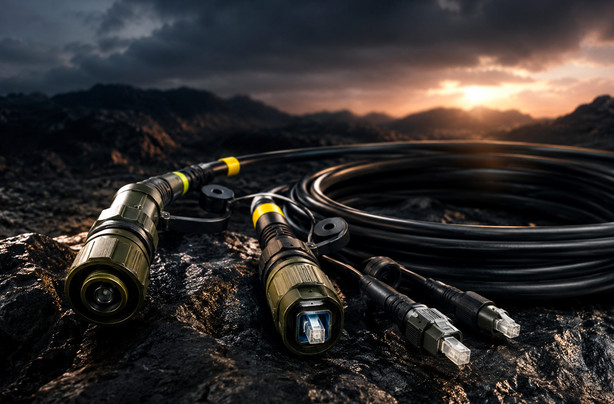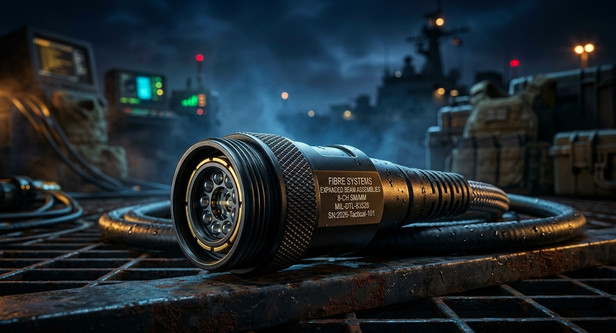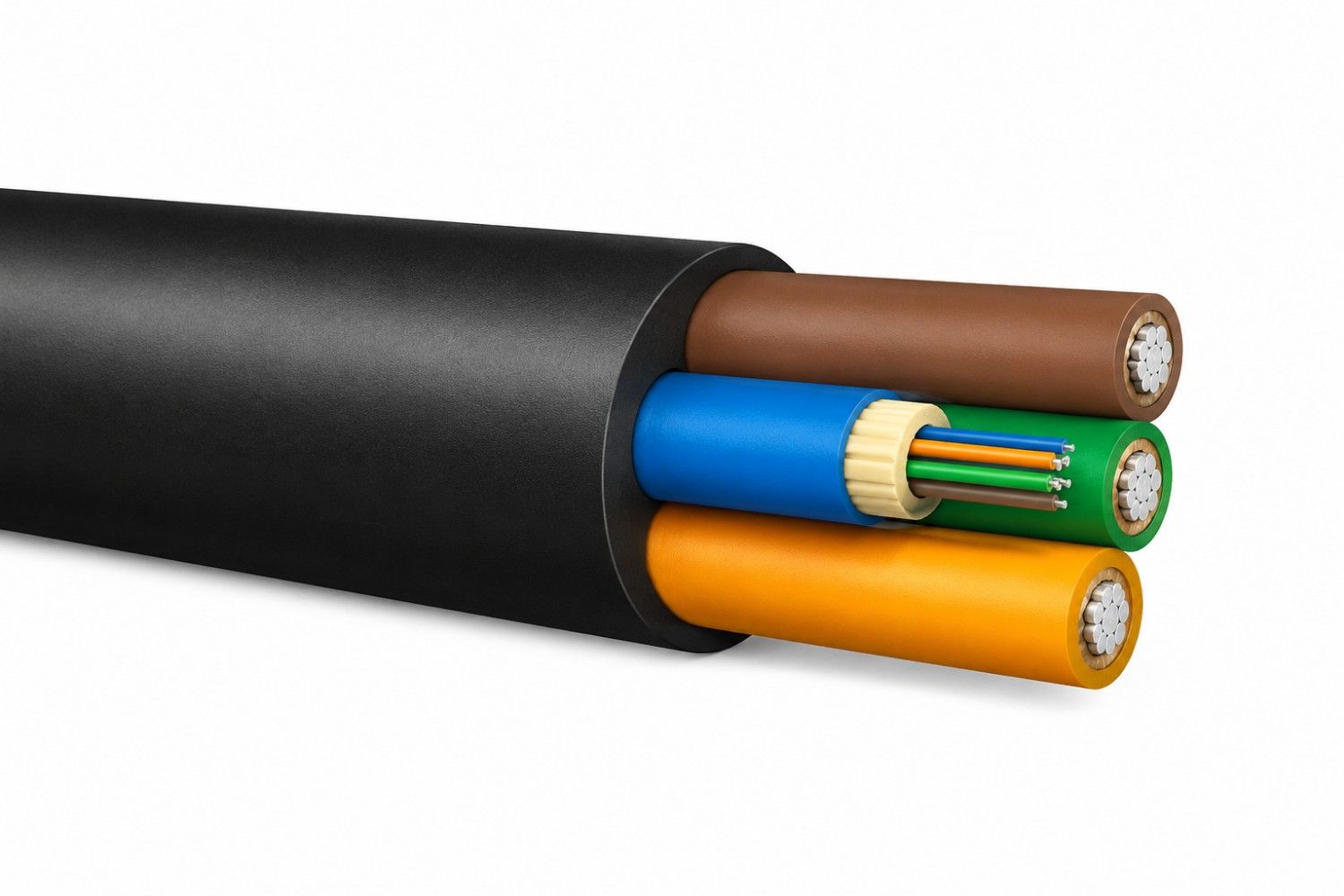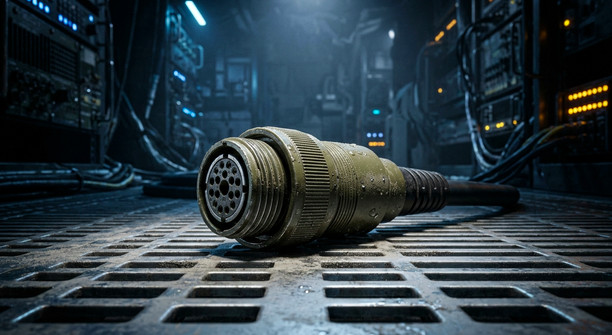
D38999 Cable Assemblies built and supplied by Fibre Systems represent the gold standard in high-density optical and electrical interconnect technology engineered for extreme aerospace and defense applications. Modern aircraft, uncrewed aerial platforms, and high-altitude surveillance systems demand relentless high-speed data transfer across mission-critical avionics bays. However, operating within airborne environments subjects interconnect hardware to violent environmental shifts. As an aircraft climbs rapidly from blistering runway temperatures into sub-zero stratospheric altitudes, airborne cabling experiences extreme thermal shocks and rapid barometric pressure drops.
These harsh environmental shifts cause standard commercial connectors to suffer seal degradation, internal condensation pooling, and micro-optical alignment loss. Standardizing on ruggedized MIL-DTL-38999 military specification connectors, universally known as D38999 Cable Assemblies, ensures total signal integrity and structural survivability through extreme airborne operational profiles.
Why Commercial Connectors Fail Where D38999 Cable Assemblies Excel
Operating fiber optic networks aboard tactical military aircraft and aerospace platforms presents vastly different challenges than installing static ground infrastructure. Standard industrial connectors rely on basic plastic housings and simple push-pull latching mechanisms that quickly degrade when exposed to severe atmospheric stress. When an aircraft performs rapid climbs or high-speed maneuvers, ambient temperatures can drop sixty degrees Celsius in a matter of minutes.
Unreinforced commercial connectors lack the thermal expansion matching required to maintain tight optical tolerances across these temperature swings. As connector shells contract at different rates than internal glass fibers, microscopic alignment shifts occur, causing severe optical insertion loss and signal jitter.
In contrast, specialized D38999 Cable Assemblies utilize precision-machined aluminum, stainless steel, or marine bronze shells paired with heavy-duty triple-start stub threads. This robust mechanical architecture prevents thread binding, resists atmospheric pressure differentials, and keeps internal optical alignment rock-solid during intense kinetic shock and altitude changes.
| PERFORMANCE PARAMETER | STANDARD INDUSTRIAL CONNECTORS | D38999 CABLE ASSEMBLIES |
| Thermal Shock Endurance Range | Limited to minus twenty to sixty degrees | Minus sixty-five to two hundred degrees |
| Mechanical Coupling Mechanism | Basic push-pull or plastic snap latch | Heavy-duty triple-start threaded coupling |
| Altitude Pressure Sealing Rating | Unsealed; prone to moisture condensation | Fully sealed against rapid vacuum shifts |
| Resistance to Jet Fuel and Hydraulic Fluid | Low; rubber seals swell and disintegrate | High; fluorosilicone environmental grommets |
| High-Density Fiber and Electrical Hybrid | Rare; limited pin configuration options | High; multi-channel fiber and power hybrid |
The Severe Tactical Consequences of High-Altitude Signal Interruption
When airborne communications hardware experiences a signal dropout during flight operations, the operational consequences can be catastrophic. A momentary loss of optical connectivity between flight control computers and sensor arrays can corrupt radar feeds, disable targeting optics, or disrupt autonomous navigation systems.
Detecting intermittent signal faults caused by high-altitude pressure drops or thermal contraction is exceptionally difficult for maintenance personnel once an aircraft returns to ground level. When grounded, thermal contraction relaxes and barometric pressure normalizes, hiding the exact physical fault that caused the flight failure.
By integrating fully qualified D38999 Cable Assemblies across all airborne wiring looms, defense contractors and aerospace engineers eliminate temperature-induced optical alignment shifts. The specialized internal geometry of D38999 Cable Assemblies maintains constant spring tension across optical termini, ensuring uninterrupted gigabit data transmission through violent dogfights, high-altitude cruises, and rapid descent landing routines.
Internal Mechanics: How D38999 Cable Assemblies Survive Thermal Expansion
To understand why D38999 Cable Assemblies deliver unmatched reliability under severe thermal stress, one must examine the internal sealing and contact architecture engineered into every shell size. Unlike standard circular connectors, military grade D38999 hardware incorporates advanced materials designed to equalize mechanical stress.
Central to the performance of D38999 Cable Assemblies are high-precision fluorosilicone environmental grommets and interfacial seals. As high-altitude flight causes internal air pockets to expand against external atmospheric vacuums, these resilient elastomer seals flex without cracking, maintaining a hermetic barrier against moisture ingress and altitude pressure drops.
Furthermore, internal fiber optic termini within D38999 Cable Assemblies utilize ceramic ferrules supported by calibrated stainless steel retention springs. These internal springs cushion glass fibers against thermal expansion and contraction of the outer metal shell. This constant mechanical force keeps polished fiber end-faces held precisely at optimal proximity, preventing optical signal loss or physical glass chipping during sudden thermal changes.
Regulatory Frameworks and Defense Standards Governing D38999 Cable Assemblies
Deploying high-performance avionics interconnects across defense aircraft, military drones, and commercial maritime vessels requires strict compliance with international manufacturing and environmental standards. Military specification MIL-DTL-38999 governs the precise physical dimensions, shell plating options, and mechanical endurance criteria for these heavy-duty circular connectors.
To achieve full qualification, D38999 Cable Assemblies must endure rigorous laboratory testing routines, including hundreds of hours of salt fog exposure, multi-axis random vibration sweeps, and explosive atmosphere safety checks. These strict tests verify that connector assemblies will not ignite fuel vapors or lose grounding continuity under severe combat stress.
In Australian civil aviation, naval support, and defense projects, ground handling equipment and supporting infrastructure must also align with local telecommunication guidelines. Complying with ACMA Cabling Provider Rules and Wiring Regulations guarantees that all supporting ground links, base communications, and mobile test stations maintain correct grounding, safety, and physical compatibility. Utilizing fully certified D38999 Cable Assemblies ensures that all airborne cabling looms satisfy both international defense readiness criteria and national Australian technical regulations.
Step-by-Step Installation Guide for Airborne D38999 Cable Assemblies
Installing high-density D38999 Cable Assemblies into compact avionics bays requires careful execution to protect delicate optical termini and ensure a complete environmental seal.
- Inspect Shell Shell Thread and O-Ring Integrity: Inspect the outer threads and fluorosilicone interfacial seals on D38999 Cable Assemblies for fine dust particles, nicks, or chemical contamination prior to installation.
- Clean Optical Termini End-Faces: Wipe ceramic termini using lint-free optical cleaning swabs moistened with high-purity isopropyl alcohol before mating connector halves inside the bay.
- Align Master Keyway Shell Slots: Carefully align the master keyway slot on the plug shell with the corresponding key on the receptacle shell of D38999 Cable Assemblies to prevent bent electrical pins or chipped ceramic ferrules.
- Engage the Triple-Start Threaded Coupling Nut: Rotate the outer coupling nut clockwise by hand. The triple-start thread design on D38999 Cable Assemblies allows full mechanical engagement in one complete turn.
- Verify Torque and Anti-Decoupling Ratchet Lock: Continue tightening the coupling nut until the integrated anti-decoupling ratchet mechanism clicks into its locked position. This tactile ratchet feel confirms that vibration-proof locking is fully achieved.
- Apply Strain Relief Backshell Clamping: Secure the backshell cable clamp or heat-shrink boot around D38999 Cable Assemblies to isolate internal termini from pulling forces and cable harness flex.
Eliminating Moisture Condensation and Fluid Damage in Flight Bays
High-altitude flight exposes avionics bays to rapid condensation cycles. As an aircraft descends from cold upper altitudes into warm, humid sea-level air, moisture condenses rapidly on exposed cold metal surfaces. Unsealed or poorly fitted connectors suck this moisture into backshell cavities through capillary action caused by air pressure changes.
When water or hydraulic fluid enters unsealed connector backshells, it causes short circuits across electrical pins and leaves cloudy mineral films over polished fiber optics. D38999 Cable Assemblies overcome this vulnerability through multi-layer environmental sealing.
Equipped with rear wire-sealing grommets, interfacial seals, and potted backshell adapters, D38999 Cable Assemblies block liquid penetration even when completely submerged or exposed to high-pressure washdown routines. This complete fluid barrier protects sensitive optical interfaces from jet fuel splash, de-icing chemicals, and salty sea fog encountered during naval flight operations.
Mitigating Electromagnetic Interference in High-Density Avionics Looms
Modern tactical aircraft carry an incredible density of high-power electronics, including radar transmitters, electronic warfare jammers, and high-voltage power distribution looms. These electronic systems generate intense electromagnetic interference that can bleed into unshielded data lines, corrupting digital communications.
To maintain clean data transmission, D38999 Cable Assemblies feature robust ground-fingers built into the plug shell perimeter. When mated, these spring-loaded grounding fingers establish thirty-six degree low-resistance metallic contact before optical or electrical pins engage.
This continuous shield-to-shell grounding design provides exceptional electromagnetic pulse protection and radio frequency shielding effectiveness across a wide spectrum of frequencies. By routing optical fiber through metal-plated D38999 Cable Assemblies, aerospace engineers achieve total immunity from external electromagnetic interference while preventing high-speed data signals from radiating into nearby flight systems.
Key Selection Factors for Specifying D38999 Cable Assemblies
Selecting the optimal connector configuration for aerospace or defense projects requires evaluating multiple environmental and mechanical variables to ensure long-term reliability.
First, determine the required shell material and surface plating. Choose lightweight hard-anodized aluminum shells with olive drab cadmium or zinc-nickel plating for tactical aircraft weight savings. For extreme corrosion resistance in naval marine environments, select passivated stainless steel or marine bronze shells for D38999 Cable Assemblies.
Second, select the optimal insert arrangement. D38999 Cable Assemblies support high-density configurations mixing single-mode fiber, multimode fiber, power contacts, and coaxial channels within a single rugged housing. Third, evaluate backshell requirements, specifying environmental strain-relief boots, EMI shielding bands, or potted flex-conduit adapters based on harness routing constraints.
Working alongside experienced defense cabling specialists ensures that your customized D38999 Cable Assemblies satisfy all flight safety, weight, and signal integrity requirements.
Real-World Case Study: Resolving High-Altitude Optical Signal Drops
A military defense contractor experienced recurring optical data loss across its high-altitude reconnaissance drone fleet. During routine flights above thirty thousand feet, sensor telemetry streams degraded significantly, forcing mission operators to abort flight plans. Initial bench testing at sea level showed no hardware defects, baffling maintenance teams.
Environmental chamber testing revealed that legacy push-pull connectors used on the aircraft payload bay were flexing under high-altitude pressure differentials, allowing cold air to enter and displace internal ceramic ferrules by several micrometers.
To solve the flight reliability issue, the engineering team retrofitted all payload wiring looms with multi-channel D38999 Cable Assemblies fitted with ceramic termini and fluorosilicone seals. The newly installed D38999 Cable Assemblies maintained perfect optical alignment throughout rapid thermal cycling and extreme altitude pressure shifts. Subsequent flight trials demonstrated flawless signal continuity, completely resolving sensor dropouts and allowing the drone fleet to fulfill high-altitude mission profiles without failure.
Essential Maintenance and Inspection Procedures for D38999 Cable Assemblies
Implementing basic maintenance and handling protocols extends the operational service life of D38999 Cable Assemblies across demanding flight schedules.
Regularly inspect coupling threads and ratcheting teeth on D38999 Cable Assemblies for foreign debris, metal shavings, or excessive wear. Clean threads using a soft brush and approved solvent to maintain smooth hand coupling.
Always keep protective metal dust caps tightly screwed over unmated plugs and receptacles during aircraft overhaul routines. Dust caps prevent physical damage to outer shell keyways and shield internal optical termini from airborne paint overspray or cleaning solvents. Periodically check backshell strain-relief clamps to verify that harness tie-downs remain secure without pinching internal fiber optic buffer tubes.
Following these practical maintenance routines guarantees that D38999 Cable Assemblies remain fully operational and mission-ready across thousands of flight hours.
Frequently Asked Questions
What makes D38999 Cable Assemblies suited for high-altitude aerospace applications?
D38999 Cable Assemblies feature heavy-duty triple-start threaded coupling nuts, internal anti-decoupling ratchet locks, and fluorosilicone environmental seals. These features prevent thread loosening caused by high-altitude vibration and maintain a vacuum-tight seal against rapid barometric pressure drops and extreme thermal shocks.
How do D38999 Cable Assemblies handle both fiber optic and electrical power channels?
D38999 Cable Assemblies offer hybrid insert configurations that hold high-precision ceramic optical termini alongside traditional copper power and signal contacts within a single military-spec shell, saving valuable space and weight in compact avionics bays.
Are D38999 Cable Assemblies resistant to jet fuel, hydraulic fluid, and salt spray?
Yes, high-grade D38999 Cable Assemblies are constructed using corrosion-resistant aluminum, stainless steel, or marine bronze shells paired with chemical-resistant fluorosilicone grommets that withstand continuous exposure to jet fuel, de-icing fluids, hydraulic oils, and salty marine mist.
What is the purpose of the anti-decoupling ratchet mechanism on D38999 Cable Assemblies?
The anti-decoupling ratchet mechanism inside the outer coupling nut prevents D38999 Cable Assemblies from backing off or unscrewing when subjected to intense aircraft engine vibration, sudden kinetic shock, or high-speed atmospheric buffeting during flight.
Can D38999 Cable Assemblies be repaired or re-terminated in field maintenance bays?
Yes, internal optical termini inside D38999 Cable Assemblies are removable using standard insertion and extraction tools. This modular design allows technicians to replace damaged fiber channels or re-polish termini directly in maintenance hangars without replacing the entire connector shell.
Key Summary Points
- Engineered for Atmospheric Extremes: D38999 Cable Assemblies endure severe thermal shocks ranging from minus sixty-five to two hundred degrees Celsius without losing optical alignment.
- Hermetic Pressure and Fluid Sealing: Advanced fluorosilicone grommets maintain tight environmental seals against high-altitude vacuum shifts, condensation, and chemical splash.
- Vibration-Proof Mechanical Coupling: Features triple-start threaded coupling nuts with built-in anti-decoupling ratchets that resist loosening under extreme aircraft vibration.
- High-Density Hybrid Versatility: Supports single-mode fiber, multimode fiber, power, and high-speed copper channels within a single compact military specification housing.
- Compliant with Global Defense Standards: Fully qualified to MIL-DTL-38999 durability benchmarks while aligning with local Australian ACMA cabling guidelines for supporting infrastructure.
Upgrade Your Aerospace Infrastructure with Battle-Tested Cable Assemblies
Relying on commercial circular connectors across high-altitude avionics looms and defense platforms exposes your mission to unexpected signal dropouts, moisture contamination, and catastrophic equipment failures. Severe thermal expansion and barometric pressure drops demand interconnect hardware built specifically to endure extreme flight conditions. Investing in purpose-engineered D38999 Cable Assemblies ensures that your critical sensor feeds, radar telemetry, and command signals remain rock-solid through every climb, dive, and high-speed maneuver.
At Fibre Systems, we engineer, assemble, and test battle-tested military specification fiber optic assemblies built to endure Australia’s most challenging defense and aerospace environments. Explore our complete range of military grade interconnect hardware by visiting the Fibre Systems optical products catalog.
Ready to upgrade your avionics cabling architecture or need expert advice on selecting customized connector shell platings and fiber termini? Contact our specialized technical engineering team today through the Fibre Systems technical support team page to request a comprehensive quote or discuss your project specifications.