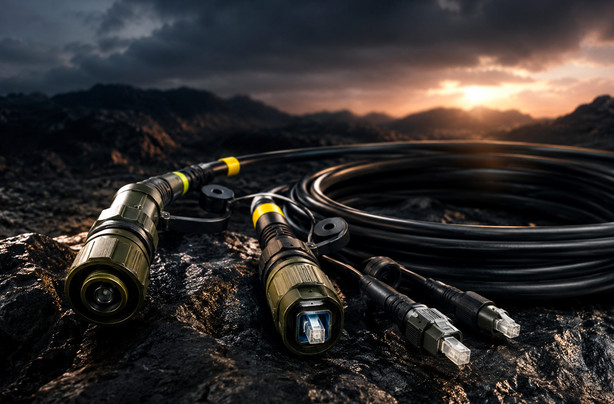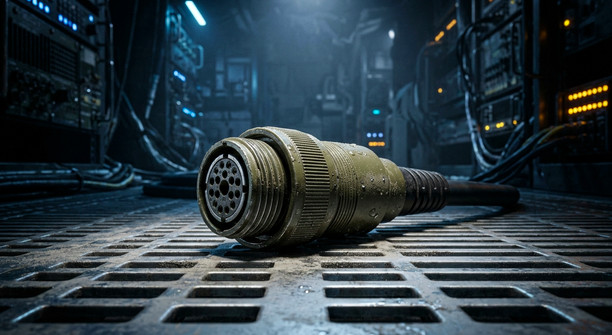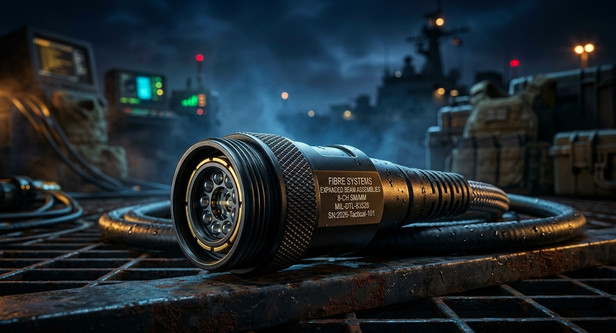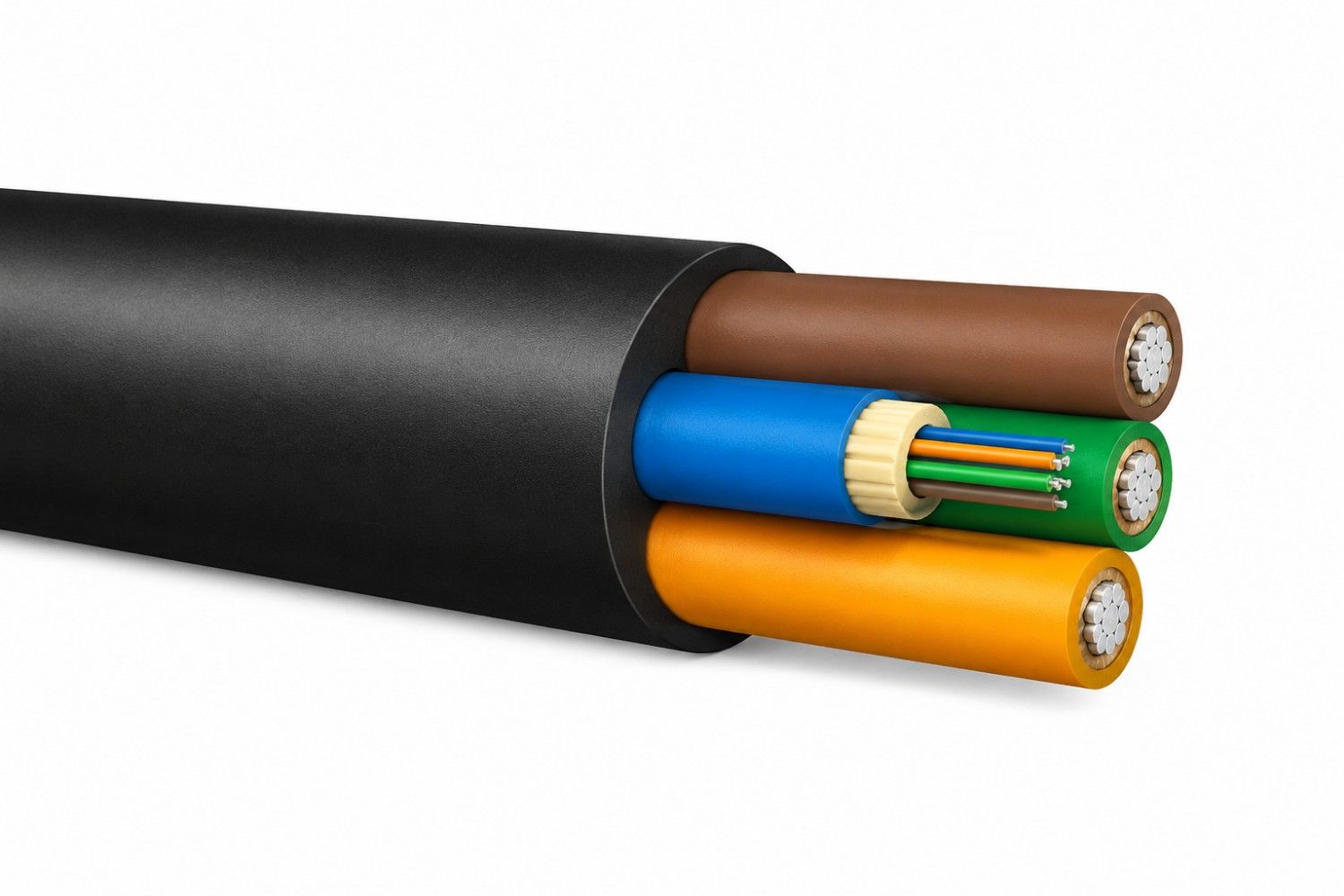
Factories, manufacturing plants, mining sites, and energy facilities all depend on fast and reliable communication to keep operations running smoothly. In these demanding environments, standard communication cables often struggle to handle harsh conditions such as dust, moisture, vibration, chemicals, and extreme temperatures.
Industrial fibre optic cable systems deliver reliable, high-speed data transmission in harsh environments, supporting automation, safety, and heavy-duty operations. As industries continue adopting automation and smart technologies, more businesses are choosing advanced fibre optic infrastructure to improve efficiency and reduce downtime.
If you are planning to buy industrial fibre cable, understanding how these systems work and where they perform best can help you make a smarter investment. This guide explains the benefits, applications, and important factors to consider when selecting industrial fibre optics for heavy-duty environments.
Understanding Industrial Fibre Optic Cable Systems
Industrial fibre optic cable systems are specially designed communication networks built for demanding environments. They provide fast and reliable data transmission while withstanding physical stress, environmental exposure, and continuous industrial operations.
Why Industrial Operations Need Fibre Optics
Modern industrial facilities rely on connected equipment, automated machinery, sensors, and monitoring systems that exchange data continuously. Reliable communication helps reduce delays, improve productivity, and support better operational decision-making.
As industries become more connected, dependable fibre optic infrastructure becomes increasingly important.
How Fibre Optic Technology Works
Unlike copper cables that use electrical signals, fibre optic cables transmit information through light. This allows data to travel faster, farther, and with less signal loss.
The result is a communication system that supports high-speed industrial operations with excellent reliability.
Benefits of Heavy-Duty Fibre Optic Cable Systems
Heavy-duty fibre optic cable systems provide several advantages over traditional communication methods. Their performance and durability make them suitable for industries where network reliability directly affects productivity and safety.
High-Speed Communication Improves Productivity
Industrial equipment produces large amounts of operational data every second. Fibre optic networks allow this information to move quickly between machines, control rooms, and monitoring systems.
Fast communication supports real-time decision-making while reducing delays across industrial operations.
Reliable Performance In Harsh Conditions
Heavy-duty fibre optic cables are designed to perform in environments exposed to moisture, dust, vibration, chemicals, and temperature changes.
Their strong construction helps maintain reliable communication while reducing maintenance requirements and unexpected downtime.
Industrial Fibre Optics Across Multiple Industries
Industrial fibre optics are used in many sectors that require dependable communication and continuous network performance. Their flexibility allows businesses to build efficient communication systems for different operational environments.
Supporting Manufacturing And Processing Plants
Manufacturing facilities use fibre optic networks to connect automated production equipment, monitoring systems, and quality control technologies.
Reliable communication helps improve productivity while allowing operators to monitor production processes more effectively.
Applications In Mining And Energy Facilities
Mining operations, power plants, and energy facilities depend on reliable communication for equipment monitoring, worker safety, and operational control.
Fibre optic systems help these industries maintain stable communication in environments where standard cables may not perform well.
Heavy Duty Fibre Optic Cable For Automation
Automation continues to transform industrial operations by improving efficiency and reducing manual processes. Fibre optic communication provides the reliable data transfer required for modern automated systems.
Connecting Industrial Automation Equipment
Automated machines rely on continuous communication with controllers, sensors, and monitoring platforms. Fibre optic networks provide fast and accurate data transmission that supports smooth equipment operation.
Reliable connectivity helps reduce interruptions while improving production efficiency.
Supporting Smart Factory Technologies
Smart factories use connected devices, robotics, and real-time analytics to improve operations. Fibre optic infrastructure provides the communication backbone needed for these advanced technologies.
As industrial automation grows, dependable fibre optic systems become increasingly valuable.
Choosing The Right Heavy-Duty Fibre Optic Cable
Selecting the right heavy duty fiber optic cable depends on your industry, installation environment, and communication requirements. Choosing a cable designed for demanding conditions helps improve network reliability and reduce long-term maintenance costs.
Factors To Consider Before You Buy
Before you buy industrial fibre cable, evaluate the operating environment, transmission distance, bandwidth requirements, and installation method. These factors help determine the most suitable cable construction for your facility.
Working with an experienced supplier also ensures the cable meets industrial standards and long-term performance expectations.
Matching Cable Design To Your Application
Different industrial environments require different cable designs. Some facilities need cables that resist chemicals and moisture, while others require extra protection against crushing, vibration, or mechanical stress.
Selecting the right cable improves operational efficiency and extends the lifespan of the communication network.
Installation Best Practices For Fibre Systems
Proper installation is essential for achieving the best performance from industrial fibre optic cable systems. Good planning and professional installation help reduce future maintenance while supporting reliable communication.
Planning A Reliable Network Infrastructure
Every successful fibre optic installation begins with careful planning. Engineers evaluate equipment locations, cable routes, environmental conditions, and future expansion requirements before installation starts.
A well-planned network improves efficiency and minimizes disruptions during deployment.
Protecting Cables During Installation
Industrial environments often expose cables to heavy machinery, vibration, and physical impact. Using protective conduits and proper cable management helps reduce the risk of damage.
Correct installation practices also improve long-term system reliability and reduce repair costs.
Maintaining Industrial Fibre Optic Networks
Routine maintenance helps industrial communication systems operate efficiently for many years. Regular inspections and preventive maintenance reduce downtime while ensuring reliable network performance.
Regular Inspection Supports Better Performance
Routine inspections allow maintenance teams to identify damaged connectors, worn cable jackets, or environmental conditions that may affect performance.
Finding small issues early helps prevent larger communication failures in the future.
Preventive Maintenance Reduces Downtime
Preventive maintenance includes cleaning connectors, testing signal quality, and inspecting cable pathways. These activities help maintain consistent communication throughout industrial facilities.
A proactive maintenance strategy improves system reliability while lowering long-term operating costs.
Comparing Industrial Communication Solutions
Businesses often compare fibre optic systems with traditional communication technologies before investing. Understanding the differences helps organizations choose the best solution for heavy-duty operations.
Industrial Communication Technology Comparison
| Feature | Industrial Fibre Optic Cable | Traditional Copper Cable |
| Data Speed | High-speed transmission | Moderate speed |
| Transmission Distance | Long-distance capability | Shorter distances |
| Electromagnetic Interference | Highly resistant | More susceptible |
| Reliability | Excellent in harsh environments | Lower in demanding conditions |
| Maintenance | Low maintenance | Higher maintenance |
| Automation Support | Excellent | Limited |
Why Fibre Optics Are A Better Investment
Industrial fibre optic systems provide higher performance, better durability, and lower maintenance than many traditional communication solutions. These advantages make them ideal for facilities focused on automation, productivity, and long-term operational efficiency.
Why Businesses Choose Industrial Fibre Optics
More industries are replacing older communication systems with fibre optic technology because it delivers reliable performance in demanding environments. These systems support productivity while preparing businesses for future digital growth.
Improving Efficiency Across Industrial Operations
Fast communication allows machines, sensors, and monitoring systems to exchange information instantly. This improves production planning, equipment performance, and overall operational efficiency.
Reliable networks also help businesses respond more quickly to changing production demands.
Supporting Long-Term Digital Transformation
As industrial technology continues to advance, businesses need communication systems that can support automation, artificial intelligence, and connected equipment.
Industrial fibre optic infrastructure provides the flexibility needed for future expansion while maintaining dependable performance today.
Future Trends In Industrial Fibre Optic Cable Systems
Industrial communication requirements continue to grow as businesses adopt automation, artificial intelligence, and connected technologies. Fibre optic systems are expected to play an important role in supporting faster, smarter, and more efficient industrial operations.
Growing Need For High Speed Networks
Modern industries require faster data transmission to manage automated equipment, sensors, robotics, and monitoring platforms. Fibre optic networks provide the speed and reliability needed for these advanced applications.
As data demands increase, businesses are investing in stronger communication infrastructure.
Supporting The Future Of Smart Industries
Smart factories and connected industrial facilities depend on reliable communication systems. Fibre optics provide the foundation needed for real-time data exchange between machines, operators, and control systems.
This makes fibre optic technology an important part of future industrial development.
Selecting The Best Industrial Fibre Cable Supplier
Choosing the right supplier is an important step when investing in industrial communication infrastructure. A reliable supplier provides quality products, technical guidance, and solutions designed for specific operational requirements.
Importance Of Quality And Industry Experience
Experienced suppliers understand the challenges of industrial environments and provide cables designed for demanding applications. Quality products help businesses achieve better performance and reduce potential network failures.
Working with knowledgeable providers ensures the selected solution matches your operational needs.
Planning For Future Network Expansion
Industrial facilities often expand their operations over time. Choosing scalable fibre optic systems allows businesses to upgrade their networks without replacing the entire infrastructure.
A future-ready approach helps protect the investment and supports long-term growth.
Conclusion: Building Reliable Heavy Duty Communication Networks
Industrial operations require communication systems that can perform consistently in challenging environments. Industrial fibre optic cable systems deliver reliable, high-speed data transmission in harsh environments, supporting automation, safety, and heavy-duty operations.
From manufacturing plants and energy facilities to mining sites and smart factories, fibre optic networks help businesses improve productivity, strengthen safety systems, and support advanced technologies.
For organizations looking to buy industrial fibre cable, selecting the right solution based on durability, performance, and application requirements is essential. High-quality industrial fibre optics provide the reliability needed for modern heavy-duty operations.
At Fibre Systems, we provide advanced fibre optic solutions designed for industrial environments. Our expertise helps businesses build reliable communication networks that support automation, efficiency, and future-ready operations.
FAQs
What are industrial fibre optic cable systems used for?
Industrial fibre optic cable systems support high-speed communication for automation, monitoring, safety systems, equipment control, and reliable data transmission in demanding industrial environments.
Why should businesses buy industrial fibre cable?
Businesses choose industrial fibre cable for faster communication, longer transmission distances, improved reliability, and better performance in harsh industrial operating conditions.
What makes heavy-duty fibre optic cable different?
Heavy-duty fibre optic cable features stronger protection against vibration, moisture, temperature changes, chemicals, and physical damage in challenging industrial environments.
How do industrial fibre optics support automation?
Industrial fibre optics enable fast data exchange between machines, sensors, controllers, and monitoring systems, helping improve automation efficiency and real-time operational control.
Are fibre optic systems suitable for harsh environments?
Yes, fibre optic systems are designed for demanding environments and provide reliable communication despite dust, vibration, moisture, and extreme industrial conditions.