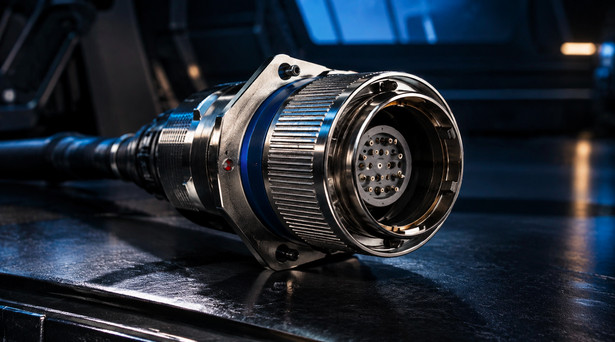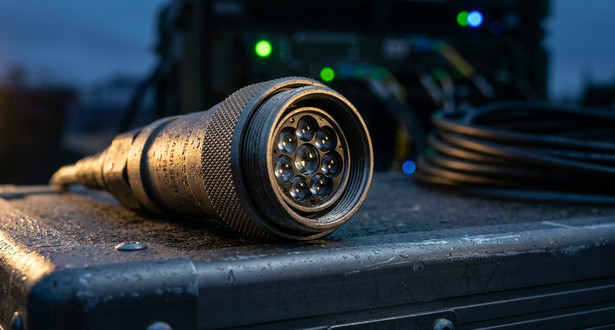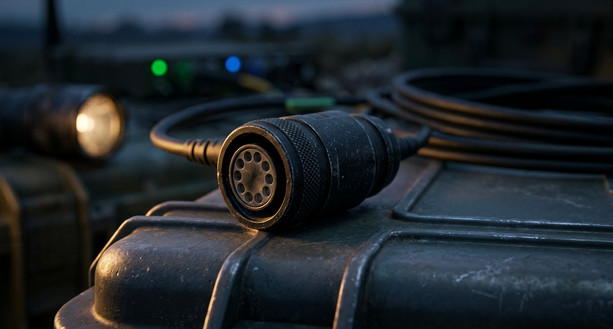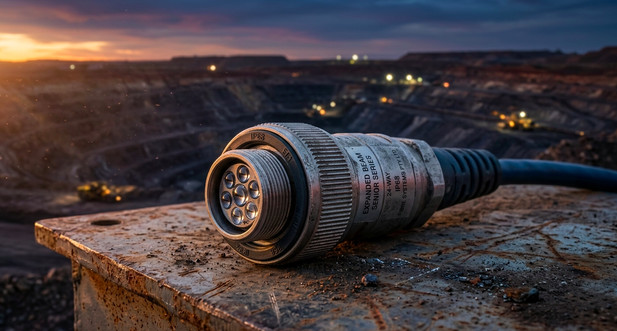
Expanded Beam Senior Series solutions engineered by fibre systems provide unmatched protection against severe environmental hazards that typically ruin standard optical links. Operating in brutal industrial environments demands hardware that refuses to fail under extreme stress. When dust, moisture, and vibration conspire to destroy delicate glass connections, industrial operators need absolute reliability. Traditional fiber connectors often succumb to microscopic contamination, causing catastrophic optical collapse across remote sites. Understanding the mechanics of failure allows engineers to select superior infrastructure designed for endurance.
Modern industrial operations rely heavily on continuous data transmission to monitor remote assets, coordinate automated machinery, and ensure worker safety across expansive sites. Any disruption in the physical optical layer halts productivity immediately, costing enterprises thousands of dollars every minute the network remains down. Traditional connector designs were originally formulated for clean telecommunication data centers rather than harsh outdoor environments subject to blowing sand, torrential rain, and severe industrial vibration.
Recognizing this fundamental mismatch in hardware capability is the first step toward building resilient network architectures that survive the most punishing field conditions imaginable. Enterprise networks deployed in remote locations require physical media capable of withstanding thermal extremes, chemical exposure, and constant physical handling by field crews. Specifying inferior components creates a permanent operational liability that compromises overall system integrity and triggers endless maintenance cycles across remote assets.
Understanding Why Extreme Field Environments Destroy Standard Optical Networks with the Expanded Beam Senior Series
Standard physical contact connectors are fundamentally vulnerable to airborne particulate matter and fluid ingress. In open pit mines or remote defense outposts, a single microscopic speck of dust resting on a ceramic ferrule blocks light transmission entirely. The Expanded Beam Senior Series changes this dynamic completely by utilizing precision optical lenses to expand and collimate light beams across a physical air gap.
This ingenious design prevents physical contact between glass mating surfaces, eliminating scratching, pitting, and contamination accumulation. Field technicians frequently report that legacy connectors require tedious cleaning procedures before every mating cycle, slowing down critical deployments. By adopting the Expanded Beam Senior Series, operations teams eliminate maintenance bottlenecks and protect their networks from unexpected downtime. Operating complex infrastructure in remote regions means that maintenance personnel are often miles away from central repair facilities.
When an optical link fails due to environmental contamination, technicians must travel across treacherous terrain to inspect and clean individual connector end faces. This reactive maintenance model drains operational budgets and introduces significant safety risks for field crews working in hazardous weather or unstable terrain. Proactive engineering dictates that infrastructure components should be inherently immune to common environmental failure modes. By removing the physical contact point between optical fibers, engineering teams neutralize the primary cause of field degradation.
The resulting stability ensures that data transmission remains completely uninterrupted even when deployed in environments characterized by extreme particulate density and high humidity. Furthermore, deploying advanced optical hardware significantly reduces the total cost of ownership by minimizing emergency service dispatches and extending replacement cycles across multi year operational roadmaps.
The Hidden Dangers of Dust and Moisture Vulnerability Managed by the Expanded Beam Senior Series
Airborne debris and humidity represent the silent killers of enterprise fibre optic infrastructure. When moisture infiltrates traditional connector sleeves, it creates optical attenuation and accelerates corrosion on metallic components. The Expanded Beam Senior Series seals optical pathways inside robust housings designed to withstand prolonged submersion and heavy dust storms. Engineers who deploy this technology ensure that harsh particulate matter cannot settle on active core paths.
Maintaining pristine optical transmission without constant manual intervention transforms how remote facilities manage their data backbones. Every installation benefits from superior environmental sealing that outperforms conventional commercial grade hardware by orders of magnitude. Industrial facilities such as mineral processing plants, cement factories, and coastal ports generate massive amounts of airborne particulate matter that travels considerable distances.
As ventilation systems pull ambient air through control rooms and equipment enclosures, fine dust particles infiltrate every available crevice. Traditional connectors exposed to these conditions accumulate microscopic debris layers that scatter light and degrade signal strength within weeks of initial installation. Preventing this degradation requires hermetic sealing and non contact optical transmission principles that render ambient dust completely harmless to the data stream.
Furthermore, seasonal rainfall and high coastal humidity introduce moisture into junction boxes and field enclosures. Water droplets trapped inside traditional adapter sleeves form mineral deposits upon evaporation, permanently ruining expensive patch cords and transceiver ports. Deploying robust optical hardware with advanced environmental barriers safeguards vital communication channels against moisture induced signal loss and expensive component replacements while ensuring continuous data flow across critical control loops.
Overcoming Severe Mechanical Stress Using the Expanded Beam Senior Series
Industrial machinery and heavy vehicles generate continuous vibration that wreaks havoc on sensitive cabling systems. Physical contact connectors suffer from micro vibrations that cause ferrule displacement and permanent insertion loss spikes. The Expanded Beam Senior Series absorbs mechanical shock through heavy duty shells and strain relief mechanisms that isolate internal optical lenses from external trauma. Field deployments involving mobile command centers or drilling rigs require connectors capable of enduring thousands of mating cycles under extreme tension.
Structural resilience ensures that signal continuity remains unbroken even when cables experience severe pulling forces or accidental trampling. Investing in ruggedized optical architecture prevents costly emergency repairs and maintains operational continuity. Heavy industry environments subject optical cabling to relentless physical abuse from tracked vehicles, falling rocks, and shifting earth structures. Standard commercial patch cables feature delicate outer jackets and weak strain relief boots that snap or pull away from the connector body under moderate tensile loads.
When an optical cable undergoes severe stretching or sharp bending, internal glass fibers experience microbending stress that attenuates light signals and accelerates glass fatigue. Premium industrial optical solutions integrate high tensile aramid strength members and thick elastomeric outer jackets designed to absorb high pulling forces without transmitting stress to the optical core. This mechanical decoupling guarantees that heavy machinery movement, accidental cable trampling, and continuous operational vibration never compromise the physical alignment of precision optical pathways. Network administrators gain absolute confidence knowing their physical layer can withstand the harshest mechanical abuse without suffering catastrophic signal degradation or unexpected communication blackouts.
Core Technical Architecture and Engineering Principles of the Expanded Beam Senior Series
Advanced optical engineering relies on precision beam expansion to bridge gaps without physical glass to glass touching. The Expanded Beam Senior Series utilizes sophisticated ball lenses to magnify the light beam diameter significantly larger than its original core size. When the expanded light travels across the tactical air gap, minor dust particles cover only a fraction of the total beam area, resulting in negligible insertion loss. This innovative optical methodology allows systems to operate reliably in environments where traditional connectors fail within minutes.
Technical teams appreciate the predictable loss budgets and superior return loss metrics achieved through this sophisticated lens design. Understanding the underlying physics of expanded beam optics reveals why this technology represents the gold standard for harsh environment data transmission. In a standard single mode fibre, the light carrying core measures a microscopic nine microns in diameter. Because the core is so exceptionally small, any speck of dust measuring even a few microns across blocks a significant percentage of the light energy, resulting in severe signal attenuation or total link failure.
By inserting precision refractive lenses into the optical path, the hardware expands the light beam diameter by a factor of several hundred. When the beam is expanded across the physical air gap, a speck of dust resting on the optical window blocks only an infinitesimal fraction of the total light footprint. The receiving lens successfully collects the remaining unblocked light energy and focuses it back down into the receiving fiber core with minimal insertion loss penalty. This elegant physical principle ensures that field connectors maintain high performance even when mated in less than sterile outdoor environments, transforming challenging deployment scenarios into stable, predictable network paths.
Non Contact Expanded Beam Technology Explained via the Expanded Beam Senior Series
Traditional fibre optics depend on physical mating where two polished ceramic ferrules press together under spring tension. Any microscopic imperfection on either end face results in air pockets or physical damage during mating. The Expanded Beam Senior Series removes physical touch entirely by projecting collimated light across a protective optical window. This design guarantees that mating surfaces never touch, preventing wear and tear over decades of operational use.
Field crews can mate and unmate connectors in muddy or dusty conditions without risking permanent optical degradation. The elimination of physical contact resolves one of the most frustrating challenges faced by field deployment teams. In traditional connector systems, every mating cycle introduces microscopic wear on the ceramic end face surfaces. Over hundreds of connections and disconnections, ceramic ferrules develop chips, scratches, and alignment deviations that progressively worsen insertion loss and return loss performance. Furthermore, if a technician fails to clean a legacy connector prior to mating, trapped dust particles become permanently embedded into the polished glass surface under high spring pressure, completely destroying the end face. Non contact technology completely bypasses this destructive wear cycle.
Because the glass fibers and lenses never touch each other or any mating surface, the connector experiences zero mechanical wear regardless of how many times it is deployed, disconnected, and reused in the field. This longevity translates directly into lower lifecycle costs, reduced inventory requirements for spare patch cables, and simplified logistics management for remote engineering projects.
Material Science and Enclosure Durability Built into the Expanded Beam Senior Series
Selecting the correct materials determines whether an optical assembly survives harsh chemical exposure and extreme temperature swings. The Expanded Beam Senior Series utilizes aerospace grade alloy housings treated with corrosion resistant coatings that repel salt fog and industrial solvents. Internal components are securely potted and sealed to prevent thermal expansion discrepancies from disrupting optical alignment. Rigorous metallurgical testing ensures that every housing maintains structural integrity from subzero arctic conditions to blistering desert heat. Infrastructure designers rely on this material excellence to secure long term network viability across diverse global landscapes. Industrial and defense applications frequently expose electronic and optical hardware to aggressive chemical agents, including hydraulic fluids, diesel fuel, deicing chemicals, and acidic mining runoff.
Standard commercial plastics and low grade aluminum alloys degrade rapidly when subjected to such aggressive chemical environments, leading to structural cracking and seal failure. Premium optical hardware relies on specialized high grade metals and chemically inert fluoropolymer seals that resist degradation even when continuously submerged in corrosive substances.
Additionally, extreme temperature fluctuations cause dissimilar materials to expand and contract at different rates, potentially inducing stress on internal optical alignments. Careful engineering and precision thermal matching ensure that internal lens assemblies remain perfectly aligned across extreme thermal gradients, guaranteeing stable optical transmission whether operating in freezing mountain passes or scorching tropical deserts without compromising signal integrity or structural housing durability.
Comprehensive Comparison Matrix for Harsh Environment Optical Hardware Featuring the Expanded Beam Senior Series
Evaluating optical interconnect technologies requires a direct comparison between legacy physical contact designs and advanced non contact solutions. The following matrix illustrates why modern industrial facilities transition away from traditional connectors.
| Performance Metric | Standard Physical Contact Connectors | Expanded Beam Senior Series |
| Dust Contamination Impact | Catastrophic signal loss requiring immediate cleaning | Negligible impact due to beam expansion optics |
| Mating Durability | Limited to five hundred cycles before polishing failure | Exceeds three thousand mating cycles without degradation |
| Resistance to Vibration | High risk of micro scratching and ferrule displacement | Exceptional shock and vibration absorption |
| Field Maintenance Needs | Requires specialized cleaning kits and inspection scopes | Minimal maintenance with simple field rinsing if needed |
| Environmental Sealing | Standard rubber O rings prone to rapid weathering | Industrial grade hermetic sealing against moisture and chemicals |
Regulatory Compliance and Industry Safety Standards for the Expanded Beam Senior Series
Compliance with national and international regulatory codes guarantees that industrial installations meet stringent safety and performance benchmarks. Facilities must adhere to strict guidelines established by regulatory authorities like the Australian Communications and Media Authority regarding telecommunications cabling and structured wiring practices. Specifying fully certified hardware ensures that commercial and industrial installations satisfy every mandated compliance requirement. The Expanded Beam Senior Series complies with rigorous optical power handling and mechanical safety standards required for critical infrastructure. Engineering teams gain complete peace of mind knowing their deployed networks satisfy all official electrical and optical mandates.
Navigating complex regulatory landscapes requires absolute diligence from network designers and project managers. Regulatory bodies establish strict performance thresholds to prevent network failures that could endanger human life or compromise critical national security communications. By integrating fully certified optical components into industrial cabling architectures, organizations eliminate legal liabilities and ensure compliance during mandatory safety audits.
Furthermore, adherence to recognized cabling standards guarantees seamless interoperability with existing enterprise equipment and telecommunication carrier networks. Investing in certified infrastructure protects capital expenditures and demonstrates an unwavering commitment to engineering excellence across every deployment phase while establishing a benchmark for future industrial expansions.
Step by Step Field Deployment Guide for Maximizing the Expanded Beam Senior Series
Proper installation procedures ensure that ruggedized optical hardware delivers its maximum theoretical performance in the field. Follow this structured process when integrating your new infrastructure.
- Inspect the cable run path to ensure adequate clearance and protection from sharp industrial machinery edges.
- Clean the protective optical windows of the Expanded Beam Senior Series using an approved lint free optical wipe before initial connection.
- Align the polarization keys carefully to prevent rotational misalignment during the mating process.
- Engage the coupling ring and tighten securely until the mechanical locking mechanism clicks into place.
- Verify light transmission levels using an optical power meter to confirm that insertion loss remains well within acceptable parameters.
Executing each installation step with meticulous attention to detail prevents premature hardware wear and guarantees optimal optical performance from day one. Field technicians should always verify that cable bend radii exceed manufacturer specifications, particularly when routing assemblies around tight corners or through congested cable trays. Securing the cable at regular intervals using appropriate industrial clamps prevents excessive tension and swaying caused by wind or mechanical vibration. Following standardized installation protocols ensures that every deployed link achieves its maximum design lifespan and delivers flawless data transmission under severe operational conditions. Proper documentation of each deployed run further streamlines future maintenance and facilitates rapid troubleshooting should system expansions or reconfigurations become necessary in the future.
Real World Case Studies and Industrial Success Stories Using the Expanded Beam Senior Series
Remote mining operations and defense installations frequently encounter severe environmental challenges that break ordinary network hardware. A major open pit copper mining enterprise recently replaced legacy tactical cabling with the Expanded Beam Senior Series across their automated haul truck monitoring network. Prior to the upgrade, dust storms and heavy vibration caused weekly optical link failures, resulting in costly production halts. Following the deployment, the mine experienced zero optical related downtime across an entire operating year despite continuous exposure to abrasive dust and torrential seasonal rains.
This dramatic improvement in network reliability validated the engineering choice and significantly boosted overall operational efficiency. Case studies from various heavy industrial sectors consistently demonstrate that upgrading to robust optical hardware yields immediate financial and operational returns. In another prominent example, a maritime defense installation operating in high salinity coastal waters experienced chronic connector corrosion using standard commercial grade fiber assemblies.
By transitioning to corrosion resistant optical infrastructure, the facility eliminated salt fog intrusion and extended their maintenance intervals from monthly interventions to multi year service cycles. These real world deployments prove that investing in premium engineering solutions solves persistent reliability challenges and protects mission critical operations against unexpected communication blackouts while securing long term infrastructure viability.
Frequently Asked Questions About the Expanded Beam Senior Series
How does expanded beam technology prevent dust interference?
By expanding the light beam across an air gap, dust particles cover only a tiny fraction of the signal path, maintaining optical continuity.
Is special cleaning equipment required for field maintenance?
No specialized tools are needed because the optical windows are easily wiped clean with standard lint free materials.
Can these connectors withstand continuous heavy vibration?
Yes, the robust housings and internal shock absorbers are specifically engineered to withstand extreme industrial vibration.
What is the expected operational lifespan of this hardware?
Designed for decades of heavy duty service, the system withstands thousands of mating cycles without performance loss.
Are these optical assemblies compatible with standard fiber patch cables?
They feature dedicated ruggedized termination interfaces designed specifically to interface seamlessly with industrial structured cabling standards.
Key Benefits & Bulleted Summary
- The Expanded Beam Senior Series eliminates microscopic dust and moisture vulnerabilities in harsh environments.
- Non contact ball lens architecture prevents scratching and pitting during repeated mating cycles.
- Robust alloy housings absorb severe mechanical shock and industrial vibration without signal loss.
- Full compliance with international regulations and Australian cabling standards guarantees legal and operational safety.
- Ideal for heavy duty mining, defense, and remote industrial applications requiring unbroken uptime.
Ready to eliminate physical layer bottlenecks and secure your high speed industrial infrastructure against unexpected downtime? Deploying the Expanded Beam Senior Series strategy ensures your physical layer remains completely bulletproof. Contact us today to speak directly with our industrial infrastructure specialists. Explore the Expanded Beam Senior Series in our product section to find the exact ruggedized hardware your harsh environment architecture demands. For more industry insights and technical articles, visit fibre systems or browse our resources section.