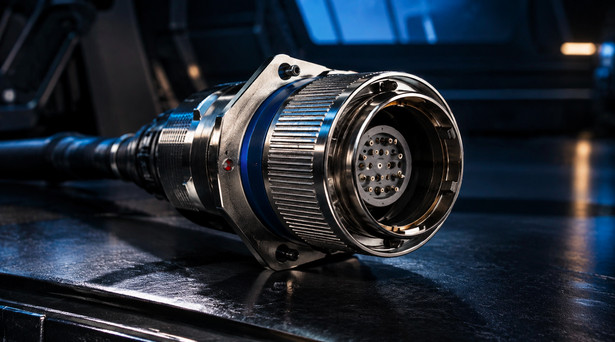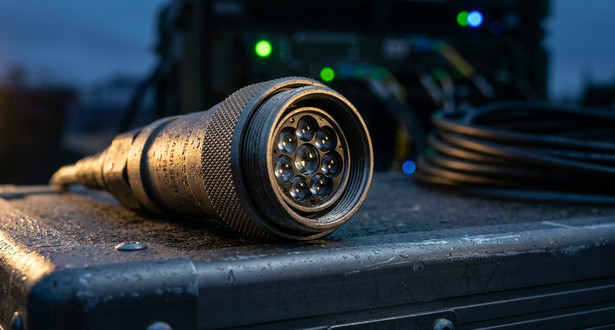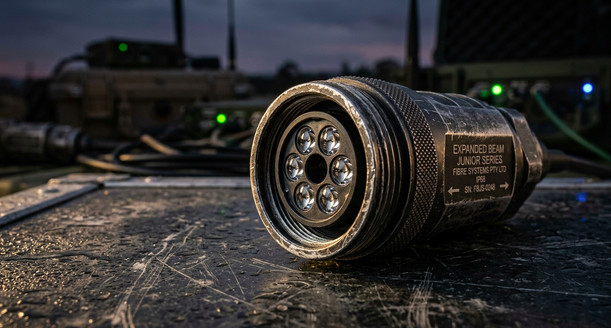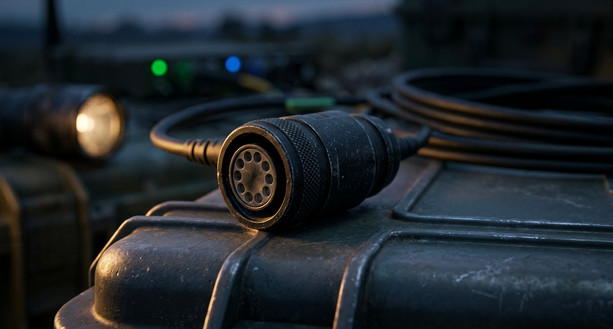
Expanded Beam Mini Series solutions engineered by fibre systems deliver high density, non contact optical connectivity tailored specifically for space constrained industrial environments. Modern automation platforms, compact robotics, aerospace avionics, and miniature field enclosures demand high speed data transmission without sacrificing physical space. When internal cabinet volume is severely limited, routing standard optical hardware becomes impossible without causing tight bend radii and severe mechanical strain.
Traditional physical contact fiber connectors suffer from alignment drift, dust accumulation, and fragile housings that frequently break inside cramped enclosures. Utilizing the Expanded Beam Mini Series allows system designers to overcome tight footprint limitations while maintaining rock solid optical performance. Compact engineering requires components that offer maximum durability within the smallest possible physical profile. When technical teams install optical links inside densely packed control boxes or unmanned vehicles, every millimeter of internal clearance matters greatly.
Traditional fiber connectors often require excessive clearance for mating and unmating procedures, forcing engineers to compromise on cabinet dimensions or cable routing paths. Recognizing the need for ultra compact ruggedized hardware is essential for building modern automated systems that operate flawlessly in challenging environments. Deploying miniature non contact optical hardware solves layout headaches, speeds up assembly times, and ensures continuous operational uptime across critical infrastructure projects.
Understanding Why Extreme Tight Space Enclosures Destroy Standard Optical Connections with the Expanded Beam Mini Series
Confined industrial enclosures and compact mobile platforms subject physical optical connections to continuous mechanical stress and environmental contamination. When internal wiring density is high, technicians struggling to mate legacy connectors often bend optical patch cords beyond recommended limits. The Expanded Beam Mini Series solves this structural challenge by integrating compact lens assemblies inside miniature rugged housings designed for tight spaces.
This specialized design projects collimated light across a protective air gap, neutralizing physical fiber contact and preventing surface scratching. Field maintenance teams working on compact equipment frequently report that standard physical contact connectors suffer from chronic attenuation caused by airborne dust settling inside tight receptacles. By choosing the Expanded Beam Mini Series, system integrators eliminate maintenance nightmares and guarantee long term physical layer stability.
Operating miniature equipment in harsh field conditions means technicians rarely have room to insert specialized cleaning swabs or inspection probes into recessed connector ports. When an optical connection fails inside a cramped control box, diagnosing the issue requires disassembling adjacent components and causing extended system downtime. Proactive system design demands optical hardware that inherently resists dust accumulation and physical strain. Removing physical fiber contact inside small form factor connectors protects delicate glass cores from wear caused by vibration and thermal expansion. The resulting optical stability guarantees uninterrupted real time data flow across high density automation systems.
The Threat of Microscopic Dust inside Sealed Compact Enclosures Managed by the Expanded Beam Mini Series
Airborne debris and microscopic dust particles infiltrate even sealed industrial enclosures during routine maintenance or ventilation airflow cycles. When traditional physical contact connectors are mated inside dust prone control cabinets, microscopic silica particles become trapped directly between ceramic ferrules under spring tension. The Expanded Beam Mini Series prevents optical end face destruction by housing precision lenses behind durable protective optical windows.
Engineers who incorporate this technology ensure that fine dust particles cannot block active light paths or cause permanent ferrule pitting. Maintaining pristine signal clarity without needing constant manual cleaning transforms how system builders manage high density optical panels. Every compact installation benefits from advanced environmental sealing that far exceeds standard commercial hardware standards. Compact enclosures housing power electronics, motor drives, and processing units generate internal air currents that draw ambient dust through cabinet seams.
As dust settles onto high density patch panels, legacy optical interfaces suffer rapid signal loss that disrupts automated control loops. Preventing signal degradation requires expanded beam lens technology that broadens the optical path, rendering tiny dust particles completely harmless to signal transmission. Furthermore, temperature fluctuations inside compact cabinets cause condensation that turns dry dust into sticky grime on exposed connector surfaces. Protective seals and non contact optics keep critical data channels completely isolated from moisture and debris ingress.
Resolving Severe Cable Strain and Tight Bend Radii Using the Expanded Beam Mini Series
Dense industrial machinery and small unmanned platforms require flexible, low profile cabling solutions that endure continuous movement. Standard fiber connectors feature long backshells and rigid strain relief boots that force patch cords into sharp angles inside small enclosures. The Expanded Beam Mini Series features ultra compact backshell designs and high flexibility strain relief options that protect internal fibers from microbending loss.
Field installations involving robotic arms, compact sensing pods, or mobile command units require connectors capable of enduring thousands of flex cycles without mechanical failure. Structural resilience ensures signal continuity remains unbroken even when cables experience constant twisting and tight spatial routing. Specifying compact ruggedized optical connectors prevents costly cable snapping and protects mission critical operations. Dense equipment layouts force technicians to route cabling around sharp metal corners, power supplies, and structural brackets.
When standard fiber cables undergo severe bending, light escapes from the optical core, causing severe signal attenuation and accelerating fiber microcracking over time. Advanced miniature optical assemblies pair tough aramid strength members with flexible elastomeric outer jackets designed to withstand extreme bending forces without transmitting mechanical stress to internal optical fibers. This mechanical decoupling guarantees that tight spatial routing and continuous machine movement never compromise optical lens alignment or physical signal paths.
Core Technical Architecture and Precision Optics of the Expanded Beam Mini Series
Advanced optical miniaturization enables non contact light transmission within an exceptionally small physical footprint. The Expanded Beam Mini Series utilizes miniature ball lenses to expand light beams to many times their original fiber core diameter. When the expanded beam crosses the internal air gap, microscopic dust particles cover only an insignificant fraction of the overall beam footprint, resulting in negligible insertion loss.
This innovative optical design allows miniature networks to maintain stable signal transmission in environments where standard physical contact connectors fail instantly. System architects appreciate the predictable optical loss budgets and excellent return loss performance achieved through this miniature lens architecture. Understanding the physics of expanded beam optics demonstrates why this hardware represents the gold standard for space restricted installations. In standard single mode optical fiber, the light carrying core measures roughly nine microns in diameter.
Because the core area is tiny, a single dust particle measuring just a few microns across blocks a massive percentage of light, causing immediate network failure. By positioning precision miniature lenses in front of the fiber end face, the light beam expands across a significantly larger surface area. When collimated light crosses the protective air gap, a speck of dust resting on the optical window blocks less than one percent of the total light energy. The receiving lens collects the expanded beam and focuses it back into the receiving fiber core with minimal signal attenuation, ensuring reliable network performance in cramped quarters.
Non Contact Light Transmission Advantages Offered by the Expanded Beam Mini Series
Legacy miniature connectors depend on physical ferrule to ferrule contact maintained under tight spring pressure inside compact sleeves. Any microscopic dirt trapped between ferrule faces causes severe scratching, pitting, or physical glass fracture upon mating. The Expanded Beam Mini Series eliminates physical contact entirely by passing collimated light through protective optical windows.
This non contact structure guarantees that optical glass surfaces never touch, preventing mechanical wear over thousands of mating cycles. Maintenance crews can couple and decouple connectors in tight, dusty cabinets without risking permanent optical end face destruction. Eliminating physical end face contact resolves one of the most persistent operational headaches faced by automation technicians.
In traditional connector systems, every mating cycle wears down polished ceramic ferrules, causing gradual insertion loss increase over time. Furthermore, mating dirty legacy connectors forces abrasive grit directly into the glass core, permanently damaging patch cables and chassis receptacles. Non contact optics completely eliminate this wear cycle. Because internal lenses and fiber ends remain completely isolated from physical contact, the connector experiences zero mechanical wear regardless of deployment frequency, leading to longer service life and reduced operational costs.
Material Selection and Miniature Enclosure Durability Built into the Expanded Beam Mini Series
Selecting premium housing materials determines whether miniature optical connectors survive chemical exposure, extreme thermal shifts, and mechanical shock. The Expanded Beam Senior Series and compact Expanded Beam Mini Series utilize aerospace grade aluminum alloys treated with corrosion resistant plating to resist salt spray, industrial oils, and harsh chemicals. Internal optical assemblies are securely potted to prevent thermal expansion discrepancies from shifting precise lens alignment.
Comprehensive environmental testing confirms that housing seals maintain IP68 water and dust ingress protection across subzero arctic environments and high temperature industrial cabinets. Engineers depend on this material reliability to safeguard critical communications across compact industrial deployments. Miniature automation equipment and military avionics subject optical hardware to harsh working fluids, including hydraulic fluid, jet fuel, cutting coolants, and cleaning solvents.
Cheap plastics and low grade alloys crack or corrode rapidly when exposed to aggressive industrial chemicals, resulting in seal failure and internal contamination. High performance miniature hardware relies on specialized metal alloys and chemically inert fluoropolymer seals that preserve structural integrity even during continuous exposure to harsh fluids. Furthermore, extreme temperature variations cause dissimilar housing materials to expand and contract at different rates, risking optical misalignments. Precise thermal matching guarantees that internal miniature lenses remain perfectly aligned across wide temperature ranges, maintaining crystal clear optical transmission.
Comprehensive Performance Comparison Matrix for Space Restricted Optical Solutions Featuring the Expanded Beam Mini Series
Selecting optical hardware for space constrained environments requires evaluating miniature non contact solutions against legacy physical contact alternatives. The following table highlights key performance metrics across compact operational settings.
| Performance Metric | Standard Physical Contact Miniature Connectors | Expanded Beam Mini Series |
| Footprint & Mounting Density | Standard compact size with limited panel density | Ultra compact footprint for maximum panel density |
| Dust Contamination Tolerance | Extremely poor, requires cleanroom style handling | Superior tolerance due to expanded light beam optics |
| Mating Cycle Longevity | Limited to roughly 500 cycles before degradation | Exceeds 3,000 mating cycles with zero performance loss |
| Cable Bend Stress Tolerance | Low, prone to microbending loss under tight angles | High tolerance with specialized flexible strain relief |
| Maintenance Requirements | Frequent manual polishing and specialized cleaning | Minimal maintenance with quick surface wiping |
Regulatory Compliance and Industry Safety Standards for the Expanded Beam Mini Series
Strict adherence to national and international cabling standards ensures that compact optical installations meet required safety, environmental, and technical benchmarks. Facilities must follow guidelines set by regulatory authorities like the Australian Communications and Media Authority covering telecommunications cabling and structured wiring practices. Incorporating fully certified hardware guarantees that compact industrial systems comply with all legal and operational standards.
The Expanded Beam Mini Series satisfies stringent optical power, mechanical endurance, and ingress protection requirements for modern automation and defense networks. Technical leads gain complete confidence knowing their deployed hardware meets official electrical and optical safety standards. Navigating strict regulatory environments requires meticulous component selection during system design phases.
Regulatory authorities enforce performance thresholds to prevent network failures that could interrupt emergency response channels or compromise worker safety. Specifying certified optical components eliminates compliance risks during safety audits and field inspections. Furthermore, adherence to standardized cabling rules ensures seamless integration with existing commercial telecommunication systems and factory backbones. Investing in fully certified hardware protects long term capital investments while establishing a benchmark for future equipment upgrades.
Step by Step Installation Guide for Tight Space Enclosures Using the Expanded Beam Mini Series
Following standardized coupling procedures ensures miniature optical connectors deliver optimal performance inside space constrained cabinets. Execute the following steps during equipment assembly.
- Plan internal cable routing paths to maintain smooth curves and avoid pinch points near cabinet doors or hinges.
- Remove protective dust caps from the Expanded Beam Mini Series connector and inspect outer optical windows visually.
- Clean protective optical windows gently using a clean lint free optical swab or lens wipe prior to connection.
- Align the miniature keyway guides carefully to prevent pin damage during blind mating in dark enclosures.
- Engage the threaded or bayonet coupling mechanism firmly until fully seated and locked.
- Verify signal throughput using a optical power meter to confirm insertion loss remains well within acceptable margins.
Careful execution of each installation step prevents accidental mechanical damage and guarantees long term optical transmission inside compact cabinets. Technicians should always check that cable bend radii meet or exceed manufacturer specifications, particularly when routing assemblies through tight conduit corners or dynamic cable carriers. Securing patch cords at regular intervals using low profile mounting clips prevents vibration induced strain on connector backshells. Adhering to standardized installation protocols ensures that every deployed optical link achieves its maximum design lifespan and delivers flawless performance.
Real World Industry Use Cases and Field Deployment Success Stories Featuring the Expanded Beam Mini Series
Compact robotics manufacturers and aerospace defense contractors frequently encounter severe space limitations that break standard fiber hardware. A leading manufacturer of automated guided vehicles recently integrated the Expanded Beam Mini Series across its fleet of compact warehouse robots. Prior to the upgrade, constant machine vibration and tight internal spatial constraints caused frequent optical connector failures, resulting in robot downtime and lost warehouse throughput.
Following the deployment of miniature expanded beam connectors, the fleet achieved 100 percent optical link availability over a two year operational window despite continuous motion and dust exposure. This successful upgrade validated the engineering choice and significantly improved overall warehouse efficiency. Case studies across high tech industries consistently prove that upgrading to miniature non contact optical hardware yields immediate reliability gains.
In another notable application, a marine robotics company operating compact underwater remotely operated vehicles experienced chronic optical connector failure due to salt spray and tight hull space. By transitioning to corrosion resistant miniature expanded beam hardware, the company eliminated salt water intrusion issues and extended maintenance intervals significantly. These real world deployments confirm that investing in high quality compact optical solutions protects critical control networks against environmental and spatial failure modes.
Frequently Asked Questions About the Expanded Beam Mini Series
How does expanded beam technology fit inside such a small connector footprint?
By utilizing miniature ball lenses and high precision optical alignment sleeves, expanded beam optics are successfully integrated into ultra compact housing dimensions.
Can these miniature connectors withstand severe machine vibration?
Yes, rugged alloy metal shells and potted internal lens assemblies isolate optics from heavy vibration and mechanical shock.
Is special training required to clean miniature optical windows?
No special training is needed because the flat optical windows can be wiped clean quickly using standard lint free swabs.
What industries benefit most from this miniature optical hardware?
Compact robotics, aerospace avionics, mobile defense units, marine sensing, and high density industrial control cabinets benefit significantly.
Are these connectors compatible with standard single mode and multimode fiber types?
Yes, they are available in multiple optical configurations supporting both single mode and multimode fiber formulations.
Key Benefits & Bulleted Summary
- The Expanded Beam Mini Series halts mission critical link failures in extreme tight space enclosures.
- Ultra compact footprint enables high density panel mounting inside cramped control boxes and avionics pods.
- Non contact lens optics eliminate ferrule wear, end face scratching, and dust sensitivity.
- Sealed alloy housings resist severe machine vibration, moisture ingress, and industrial chemicals.
- Full compliance with Australian cabling standards ensures legal safety and operational reliability.
Ready to solve space constraint headaches and protect your compact control networks against unexpected link failure? Deploying our advanced optical connectivity strategy ensures your miniature physical layer remains completely bulletproof. Contact us today to speak directly with our technical infrastructure specialists. Explore the Expanded Beam Mini Series in our product section to find the exact compact hardware your high density architecture requires. For more technical articles and product guides, visit fibre systems or browse our resources section.