Broadcast field work demands communication infrastructure that can perform reliably under pressure. Live productions, outside broadcasts, sports events, concerts, news coverage, and temporary production sites often require rapid deployment, dependable signal transmission, and equipment capable of operating in unpredictable environments. For production teams planning mobile fibre infrastructure, knowing where to buy tactical fibre reel equipment can be an important part of preparing an efficient and dependable field connectivity setup.
Fibre optic technology has become an important part of modern broadcast infrastructure because it can support high-bandwidth transmission over long distances while maintaining signal integrity. However, standard fibre cabling may not always provide the mechanical protection and deployment flexibility required for mobile production environments. Tactical and hybrid fibre solutions are designed to address these challenges by combining optical performance with rugged construction and practical field deployment.
Hybrid and tactical fibre solutions deliver reliable, rugged connectivity for broadcast field work, supporting fast deployment and high-quality signal transmission in demanding environments. These systems can help production teams connect cameras, remote equipment, production trucks, control rooms, and other broadcast infrastructure without relying solely on permanent cabling.
Understanding the differences between tactical fibre, hybrid broadcast fibre cable, and singlemode broadcast cabling can help broadcasters select infrastructure that matches their production requirements, operating conditions, transmission distances, and deployment frequency. Whether planning a major outside broadcast or a temporary live-event network, selecting the appropriate fibre equipment can contribute to a more organised and reliable production workflow.
Understanding Tactical Fibre Solutions for Broadcast
Tactical fibre is engineered for applications where cables may be repeatedly deployed, transported, coiled, and exposed to physical stress. Broadcast field work presents exactly these requirements because production crews frequently install temporary communication links at different venues and locations.
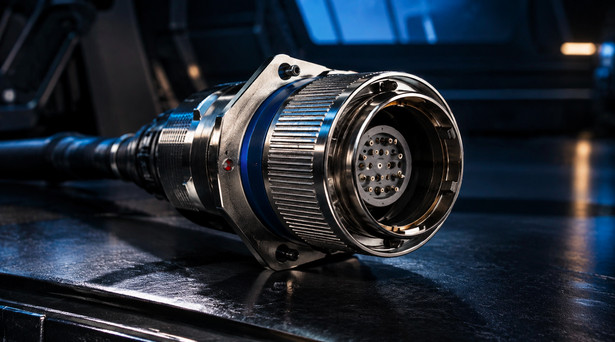
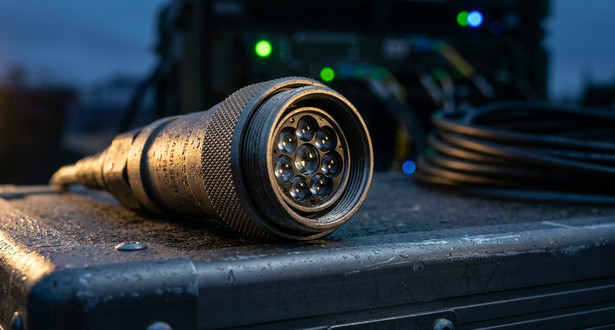
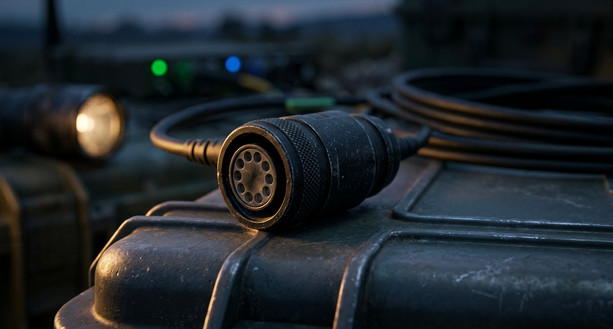
A tactical fibre cable typically incorporates protective construction designed to withstand repeated handling and demanding deployment conditions. Depending on the cable design, features may include reinforced jackets, strength members, flexible construction, and enhanced resistance to crushing, abrasion, bending, and environmental exposure.
The objective is not simply to create a stronger fibre cable. Tactical broadcast cabling must also remain practical for crews who need to transport and deploy it efficiently. Weight, flexibility, reel design, connector compatibility, and storage requirements can all influence field usability.
Why Tactical Fibre Matters for Outside Broadcasts
Outside broadcasts often involve temporary production areas where cameras and other equipment may be positioned hundreds of metres away from production vehicles or technical control areas. Tactical fibre provides a practical way to establish high-speed optical connections across these locations.
Repeated Deployment and Cable Durability
Broadcast cables can experience significant physical handling during every production. They may be rolled, unrolled, transported, routed across temporary pathways, and stored between events. Tactical construction helps reduce the risks associated with this repeated use.
Hybrid Broadcast Fibre Cable for Modern Productions
A hybrid broadcast fibre cable combines optical fibre with additional conductors within a single cable assembly. This design can allow broadcast equipment to receive both high-speed data transmission and electrical power through a consolidated connection, depending on the system and equipment requirements.
This approach can simplify certain field deployments because fewer separate cables may be required between cameras and production infrastructure. Instead of managing independent power and signal cables, a hybrid system can provide an integrated pathway designed for compatible broadcast equipment.
Hybrid solutions can be particularly useful for camera systems deployed at significant distances from production facilities. The exact configuration depends on camera requirements, transmission equipment, power specifications, connector standards, and the desired operating distance.
Combining Signal and Power Infrastructure
A hybrid broadcast fibre cable can reduce cable complexity by integrating optical transmission with electrical conductors. This can be valuable when production teams need to establish temporary camera connections quickly while maintaining organised cable routes.
Supporting High-Bandwidth Broadcast Signals
Fibre optics can support the transmission demands associated with modern video production, including high-resolution video and other data-intensive signals. The optical portion of a hybrid system can provide the bandwidth required for suitable broadcast applications.
Singlemode Broadcast Cabling for Long-Distance Transmission
Singlemode broadcast cabling is commonly associated with long-distance fibre transmission because singlemode optical fibre can support communication over significantly greater distances than many multimode configurations.
For broadcast field work, distance can become a major consideration when cameras, production compounds, technical control areas, and remote equipment are separated across large venues. Singlemode fibre can provide an effective transmission pathway when the equipment and network architecture support it.
Selecting singlemode cabling requires consideration of optical specifications, connector compatibility, transmission equipment, wavelength requirements, and the intended distance. Proper system planning helps ensure that the cable works effectively with the complete broadcast infrastructure.
Long-Distance Camera Connectivity
Large sporting venues, festivals, motorsport events, outdoor concerts, and major public productions can require camera positions far from production trucks or technical areas. Singlemode fibre can support these longer connection distances when correctly specified.
Signal Integrity Across Extended Runs
Maintaining signal quality over longer distances is critical for live production. Fibre optic transmission can minimise certain limitations associated with long copper cable runs, making appropriately designed fibre infrastructure suitable for demanding broadcast communication requirements.
Why Fibre Optics Are Important in Broadcast Field Work
Broadcast production increasingly depends on high-bandwidth connectivity. Multiple cameras, intercom systems, production equipment, monitoring systems, and data networks may need to operate simultaneously. Fibre optic infrastructure provides a high-capacity communication medium capable of supporting demanding data transmission requirements.
Another significant advantage is fibre’s resistance to electromagnetic interference. Broadcast environments can contain generators, lighting equipment, power systems, motors, and other electrical equipment. Optical fibre transmits information using light rather than electrical signals, making it inherently resistant to electromagnetic interference.
This characteristic can be particularly valuable when signal pathways need to pass through complex event environments. When combined with rugged cable construction, fibre systems can provide both transmission performance and physical resilience.
Key Considerations When Selecting Tactical Broadcast Fibre
Choosing broadcast fibre requires more than selecting a cable based on its appearance or general durability. The intended production environment, deployment frequency, transmission distance, equipment compatibility, and handling requirements should all influence the specification.
A tactical cable used for occasional indoor events may have different requirements from one deployed repeatedly at outdoor sporting events. Similarly, a cable designed for camera connectivity may have different requirements from one used for intercom, networking, or other production systems.
When evaluating tactical and hybrid fibre solutions, consider the following core factors:
- Deployment requirements: Consider how frequently the cable will be installed, removed, transported, and stored.
- Transmission distance: Determine whether the application requires short, medium, or long-distance optical connectivity.
- Fibre type: Establish whether singlemode or another fibre configuration is compatible with the broadcast equipment.
- Mechanical protection: Evaluate resistance to abrasion, crushing, bending, impact, and repeated handling.
- Connector configuration: Ensure the cable connectors match the cameras, breakout units, production equipment, and optical interfaces.
- Environmental conditions: Consider rain, dust, temperature changes, moisture, and other field conditions.
- Cable management: Evaluate reel design, cable weight, flexibility, coiling requirements, and storage considerations.
A careful assessment of these factors can help production teams select a system that balances durability, performance, deployment speed, and operational practicality.
Tactical Fibre Reels for Fast Deployment
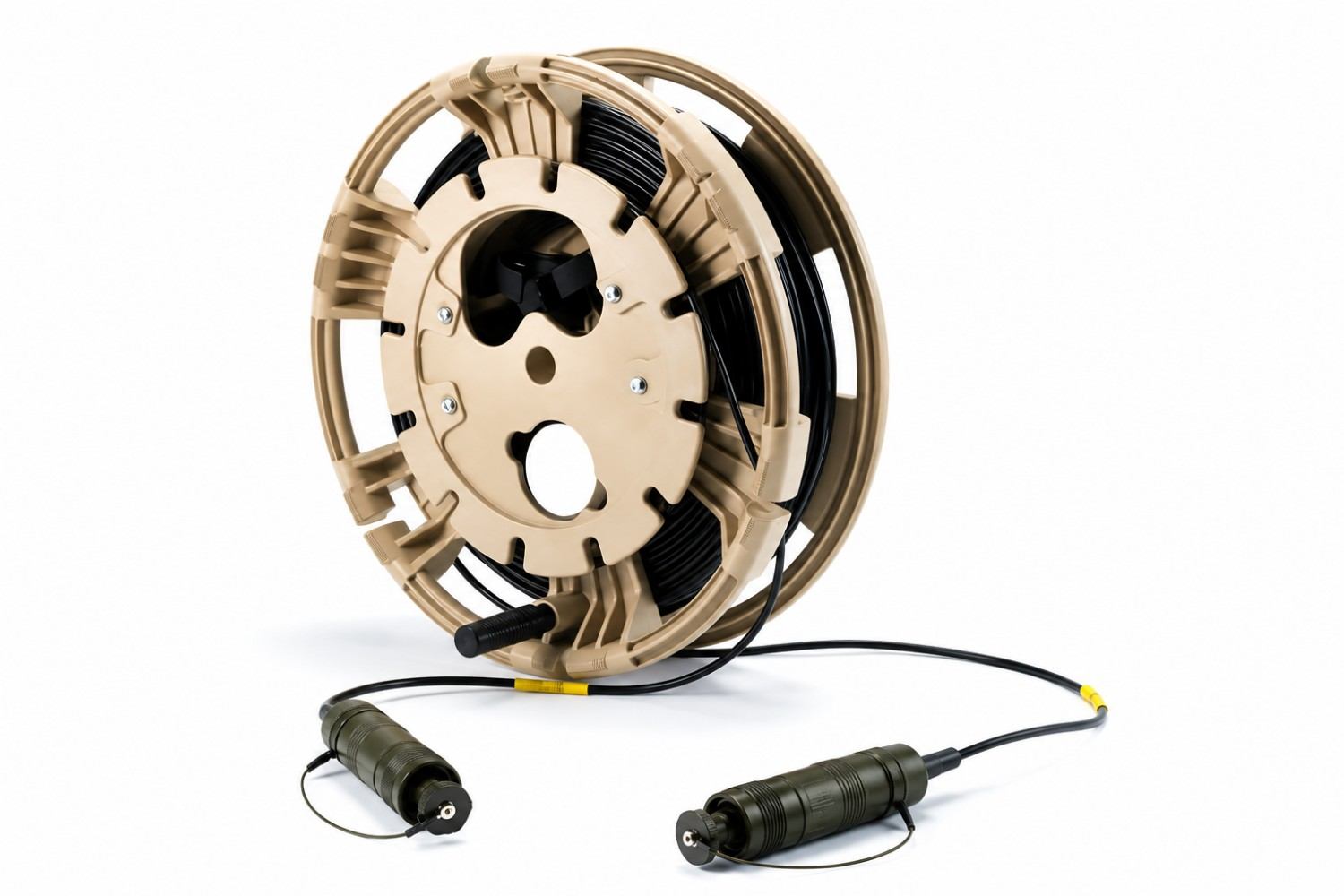
A tactical fibre reel can make a significant difference in field deployment efficiency. Rather than transporting loose cable lengths that require extensive manual organisation, a reel provides a structured method for storing, transporting, deploying, and retrieving fibre cable.
Production crews working under tight schedules can benefit from deployment systems that minimise setup time. A well-designed reel can help reduce cable tangling and simplify the process of extending fibre across a venue.
When planning to buy tactical fibre reel equipment, users should consider cable length, reel construction, portability, connector protection, winding mechanism, deployment environment, and compatibility with the selected tactical fibre cable.
Cable Storage and Transportation
Proper storage is essential for maintaining cable condition between productions. A suitable reel can help maintain appropriate cable winding while reducing unnecessary bends and physical stress during transportation.
Efficient Event Setup and Recovery
Broadcast crews often need to install and remove infrastructure within limited timeframes. Reel-based deployment can streamline these activities while helping keep temporary cable routes more organised.
Hybrid Fibre Systems for Camera and Production Equipment
Hybrid systems can support broadcast workflows where camera equipment requires both optical communication and electrical power. By integrating these functions within a suitable cable assembly, hybrid infrastructure can reduce the number of separate connections required between field equipment and production systems.
Camera operators and technical crews can benefit from consolidated cabling when equipment is deployed across large venues. Fewer cable pathways can simplify temporary installations and potentially reduce the complexity of managing connections around production areas.
However, hybrid systems should always be selected according to equipment specifications. Power requirements, connector standards, transmission equipment, cable length, and environmental conditions must be considered before deployment.
Outdoor Broadcast Applications and Environmental Challenges
Outdoor productions introduce additional challenges for fibre infrastructure. Broadcast cables may be exposed to rain, moisture, dust, sunlight, temperature fluctuations, uneven terrain, and accidental physical contact.
A suitable tactical or hybrid fibre system should therefore be selected according to the actual environmental conditions expected during production. Cable construction and connector protection can play an important role in maintaining reliable connectivity when installations move beyond controlled studio environments.
Outdoor sporting events, music festivals, public celebrations, news coverage, and remote productions can all require temporary optical networks capable of operating in changing conditions. Proper cable routing and protection remain essential even when ruggedised equipment is used.
Maintaining Tactical Fibre for Repeated Broadcast Use
Broadcast fibre systems can represent significant operational infrastructure, particularly for organisations involved in frequent live productions. Appropriate inspection, handling, cleaning, and storage practices can help maintain cable and connector performance over repeated deployments.
Connectors should be protected from contamination when not connected, while cables should be handled according to their specified bend radius and mechanical limits. Reels should also be used correctly to prevent excessive tension or improper winding.
Regular inspection can help identify damaged jackets, connector problems, unusual bends, or other physical issues before a cable is required for a critical live production. Preventive maintenance can therefore support greater operational confidence.
Building Efficient Broadcast Field Networks
Modern outside broadcasts may involve complex combinations of cameras, production trucks, remote control systems, communication equipment, monitoring stations, and network infrastructure. Fibre can provide the high-capacity backbone needed to connect these systems across temporary production sites.
Tactical and hybrid solutions can also support a more organised approach to field connectivity. Instead of treating each connection as an independent cable requirement, production teams can plan fibre infrastructure around the complete workflow.
This approach can help determine where reels should be positioned, which camera locations require long-distance links, where hybrid connections are appropriate, and where singlemode broadcast cabling can provide the required transmission distance.
Choosing the Right Broadcast Fibre Solution
The right fibre solution depends on the specific demands of the production. A small indoor event may require a different configuration from a large outdoor sports broadcast, while a permanent venue installation may have different requirements from a touring production.
Teams considering whether to buy tactical fibre reel equipment should evaluate not only the reel itself but also the cable length, connector system, fibre type, deployment frequency, and environmental requirements.
Similarly, organisations selecting hybrid broadcast fibre cable should ensure that the cable’s optical and electrical characteristics match the connected equipment. Where extended transmission distances are required, singlemode broadcast cabling may provide an appropriate solution when supported by the complete system.
Future-Proofing Broadcast Fibre Infrastructure
Broadcast technology continues to evolve, with productions increasingly adopting higher-resolution video, IP-based workflows, remote production, cloud-connected systems, and increasingly sophisticated live-event infrastructure.
Investing in appropriately specified fibre infrastructure can help production teams accommodate growing data requirements while maintaining practical deployment workflows. Tactical construction can support repeated field use, while hybrid systems can consolidate compatible power and signal requirements.
Future planning should consider not only today’s cameras and equipment but also potential changes in production workflows. Fibre infrastructure selected with sufficient capacity, appropriate connectors, and suitable environmental protection can provide a foundation for evolving broadcast operations.
Conclusion: Reliable Fibre Connectivity for Broadcast Field Work
Broadcast field work requires connectivity that can combine speed, reliability, durability, and deployment flexibility. Tactical fibre solutions can provide the physical resilience needed for repeated field use, while hybrid broadcast fibre cable systems can combine optical communication with compatible power requirements.
Singlemode broadcast cabling can support longer-distance applications where suitable equipment and network architecture are used. Tactical fibre reels can also help production crews manage cable transportation, deployment, storage, and recovery more efficiently.
Hybrid and tactical fibre solutions deliver reliable, rugged connectivity for broadcast field work, supporting fast deployment and high-quality signal transmission in demanding environments. By selecting cable construction, fibre type, connectors, and deployment equipment according to actual production requirements, broadcasters can build dependable temporary networks for a wide range of live applications.
For guidance on selecting tactical fibre, hybrid broadcast cable, singlemode broadcast cabling, or suitable reel-based deployment equipment, Contact us to discuss your broadcast requirements and identify a fibre solution designed around your field production needs.tion.growth for years to come.
FAQs
What is tactical fibre used for in broadcasting?
Tactical fibre is used for temporary broadcast connections requiring durable, flexible cabling capable of repeated deployment, transportation, handling, and demanding field conditions.
What is a hybrid broadcast fibre cable?
A hybrid broadcast fibre cable combines optical fibre with electrical conductors, allowing compatible broadcast equipment to receive signal transmission and power through one cable.
Why is singlemode broadcast cabling used?
Singlemode broadcast cabling is suitable for longer-distance optical transmission, providing reliable connectivity between cameras, production trucks, control rooms, and remote broadcast equipment.
What should I consider before buying a tactical fibre reel?
Consider cable length, reel construction, portability, connector protection, fibre type, deployment frequency, environmental conditions, storage requirements, and compatibility with broadcast equipment.
How does tactical fibre support outdoor broadcasts?
Tactical fibre provides rugged connectivity for outdoor broadcasts, helping withstand repeated handling, environmental exposure, physical stress, and demanding temporary production installations.