Industrial and commercial communication networks increasingly operate in environments where conventional cabling can struggle to maintain consistent performance. Manufacturing facilities, transportation infrastructure, energy sites, industrial automation systems, outdoor communications, and remote installations may expose network infrastructure to heat, moisture, vibration, dust, abrasion, and mechanical stress.
In these conditions, choosing the right fibre optic infrastructure involves more than considering bandwidth and transmission distance. The cable system must also withstand the physical and environmental conditions surrounding the installation. A properly designed rugged fiber optic cable can provide dependable connectivity while protecting the optical fibres from conditions that could otherwise shorten service life or affect network reliability.
Rugged fibre optic cable systems provide reliable, high-speed data transmission in harsh environments, offering durability against heat, moisture, vibration, and abrasion. Their reinforced construction helps protect sensitive optical fibres while supporting stable communications across industrial, outdoor, and commercial networks.
For organisations planning resilient connectivity, understanding cable construction, connector selection, environmental protection, installation requirements, and application suitability is essential. The combination of a suitable cable with properly specified connectors can create a communication system capable of performing reliably in demanding conditions.
What Are Rugged Fibre Optic Cable Systems?
Rugged fibre optic cable systems are specialised communication solutions designed for environments where standard optical cables may be exposed to significant physical or environmental stress. A rugged fiber optic cable typically incorporates protective materials and reinforced construction to safeguard the optical fibres without compromising the high-speed transmission capabilities associated with fibre optic technology.
Depending on the application, these cables can include reinforced jackets, stronger internal structures, additional protective layers, water-resistant materials, and enhanced strain protection. Such features can help cables withstand temperature changes, moisture, vibration, movement, dust, abrasion, and mechanical contact.
Commercial users may deploy rugged fibre systems in factories, warehouses, utility infrastructure, transportation networks, outdoor telecommunications, surveillance systems, and industrial control environments. Their primary advantage is the combination of high-performance optical transmission with physical protection suited to challenging operating conditions.
Why Harsh Environments Require Specialised Fibre Cabling
Harsh environments can place continuous stress on communication infrastructure. Temperature fluctuations can cause materials to expand and contract, while moisture can affect inadequately protected components. Vibration and repeated movement can also introduce mechanical stress that may eventually affect cable integrity and network performance.
A standard fibre cable selected solely for its optical specifications may not provide sufficient protection against these conditions. Ruggedised construction addresses this challenge by considering the complete installation environment rather than focusing only on bandwidth, fibre count, or transmission distance.
For commercial networks, cable failure can interrupt industrial controls, monitoring systems, security equipment, automated processes, and data communications. Choosing a rugged fiber optic cable designed for the expected environmental conditions can therefore contribute to greater network resilience and help reduce avoidable infrastructure failures.
Key Features of Rugged Fibre Optic Cable
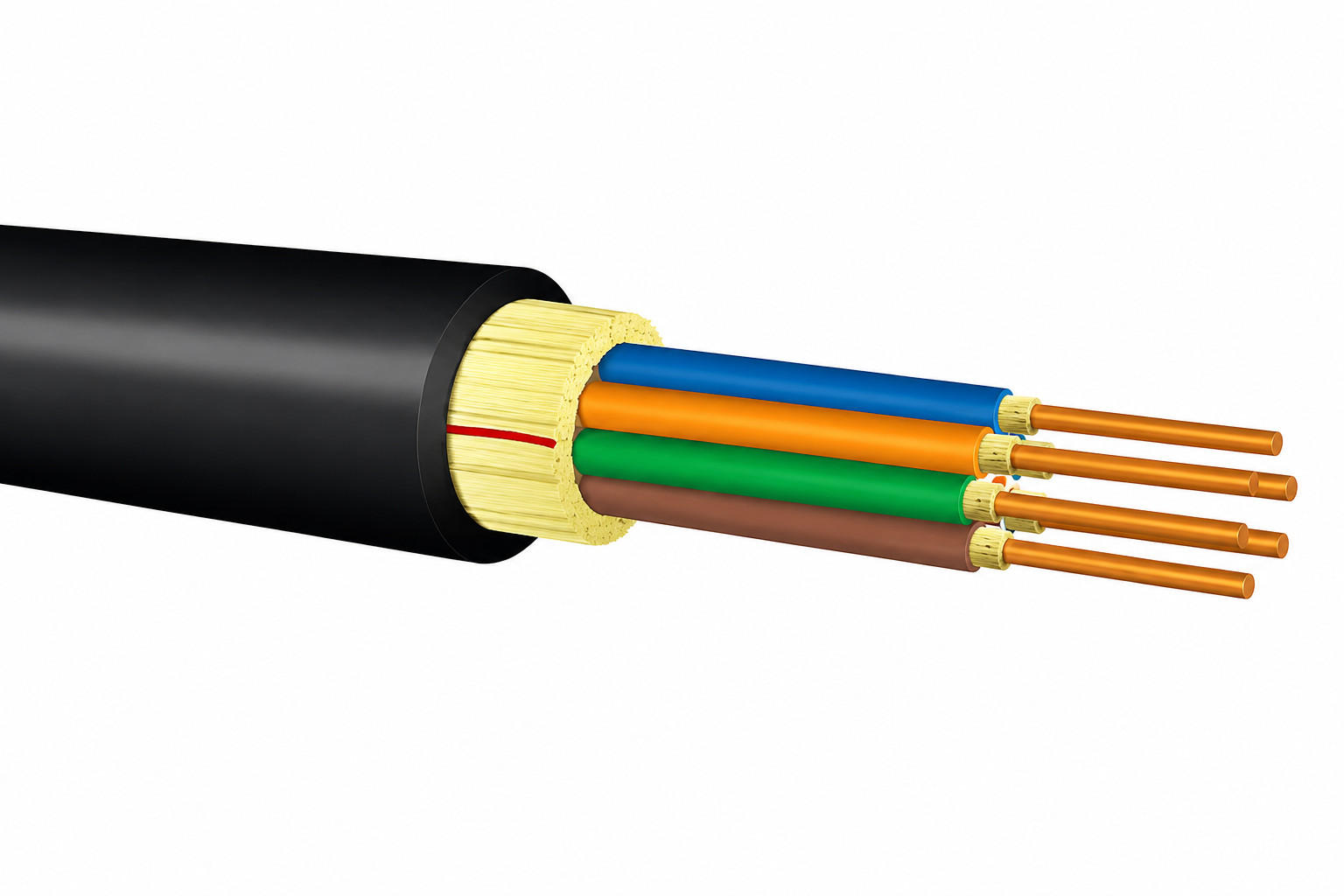
The construction of a rugged fibre optic cable determines how effectively it can perform in demanding applications. Manufacturers may use reinforced jackets, specialised buffering, aramid strength members, protective armour, and other structural components to provide additional resistance against external forces.
Material selection is particularly important. Cable jackets should be appropriate for the expected temperature range, exposure conditions, installation method, and potential contact with oils, chemicals, moisture, or abrasive surfaces. Mechanical reinforcement can also help protect the cable from excessive bending, crushing, stretching, and impact.
Another consideration is flexibility. A cable may require substantial protection while remaining flexible enough for equipment connections, machinery movement, tight routing areas, or repeated installation and maintenance activities. The correct balance between durability and flexibility depends on the specific commercial application.
Protection Against Moisture and Water Exposure
Moisture is a significant consideration for outdoor and industrial fibre installations. Water-resistant construction can help reduce the risk of environmental exposure affecting cable performance, particularly when cables are installed underground, near equipment, or in locations exposed to rain and condensation.
Resistance to Vibration and Mechanical Stress
Industrial machinery, transportation systems, and heavy equipment can generate continuous vibration. Rugged cable designs use structural reinforcement to help tolerate mechanical stress while protecting optical fibres and maintaining dependable signal transmission.
Understanding Rugged Fibre Optic Connectors
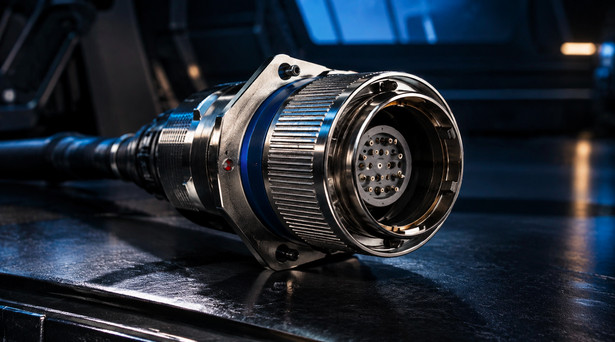
Cable performance depends not only on the fibre itself but also on the connectivity used at each network termination. Rugged fiber optic connectors are designed for applications where conventional connectors may encounter moisture, dust, vibration, impact, or frequent handling.
These connectors can incorporate protective housings, sealing mechanisms, reinforced bodies, and environmental resistance features. Their purpose is to provide a dependable optical connection while helping protect the interface from contamination and mechanical damage.
Connector selection should correspond with the cable construction and operating environment. A heavily protected cable paired with an unsuitable connector can create a vulnerable point within an otherwise resilient network. For this reason, cables and rugged fiber optic connectors should be evaluated together as part of a complete connectivity system.
Outdoor Fibre Connectors for Commercial Installations
Outdoor installations introduce environmental variables that may not exist inside controlled commercial buildings. Rain, sunlight, temperature fluctuations, airborne contaminants, moisture, dust, and accidental physical contact can all influence connectivity requirements.
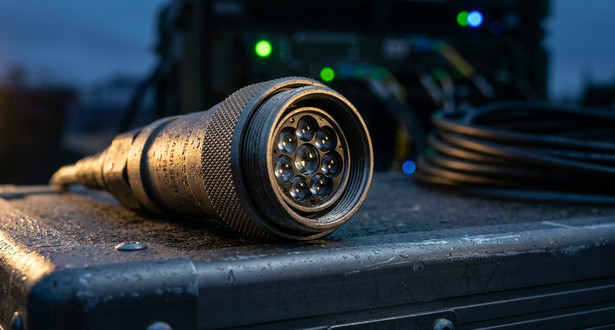
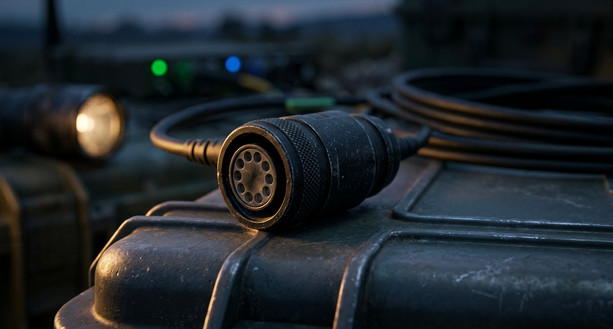
Outdoor fibre connectors are designed with these environmental considerations in mind. Depending on their construction and intended application, they may provide resistance to water ingress, dust, corrosion, ultraviolet exposure, vibration, and mechanical stress.
Telecommunications infrastructure, outdoor security systems, traffic management equipment, utility networks, and industrial monitoring installations can benefit from appropriately selected outdoor fibre connectors. The connector should match the cable, enclosure, installation environment, and required protection level to support dependable long-term operation.
How Rugged Fibre Optic Systems Support Industrial Networks
Modern industrial environments rely heavily on communication networks to connect machines, sensors, controllers, cameras, monitoring equipment, and central management systems. As data requirements increase, fibre optics provide an effective way to support high-speed communication while maintaining strong resistance to electromagnetic interference.
Ruggedised fibre infrastructure is particularly useful in facilities where electrical machinery, motors, generators, or other equipment may create electromagnetic interference. Optical fibre transmits information using light rather than electrical current, making it naturally resistant to electromagnetic interference.
When rugged construction is combined with fibre’s inherent transmission characteristics, the resulting system can provide both electrical isolation and physical protection. This makes rugged fibre particularly relevant to industrial automation, process control, factory networking, and other commercially important applications.
Fibre Optics in Manufacturing Environments
Manufacturing facilities can expose network infrastructure to machinery vibration, temperature variation, dust, oils, and continuous equipment activity. A rugged fiber optic cable can provide a protected communication pathway between production equipment, control systems, cameras, switches, and network infrastructure.
Fibre Connectivity for Energy and Utility Infrastructure
Energy facilities and utility networks frequently involve outdoor equipment, remote locations, temperature changes, and mechanical exposure. Rugged optical systems can help establish dependable links between monitoring equipment, control centres, substations, and communication infrastructure.
Rugged Fibre Optic Cable for Outdoor and Mobile Applications
Some commercial networks require fibre cabling that can tolerate movement rather than remaining permanently installed. Mobile broadcast equipment, temporary industrial networks, transportation systems, field operations, and specialised communications may require cables that combine mechanical resilience with operational flexibility.
In these situations, the cable must withstand repeated handling, coiling, deployment, and movement without compromising optical performance. Ruggedised designs can incorporate flexible protective materials and strength members that help reduce the risk of damage during transportation and field installation.
The appropriate rugged fiber optic cable specification depends on factors such as bend radius, operating temperature, tensile strength, crush resistance, expected movement, connector configuration, and deployment frequency. Understanding these requirements before installation can help prevent compatibility and reliability problems later.
Choosing the Right Fibre Type and Cable Construction
Selecting a rugged cable involves more than choosing between fibre counts. Network designers should consider whether the application requires single-mode or multimode fibre, the required transmission distance, bandwidth requirements, connector type, environmental exposure, and future network expansion.
Single-mode fibre is commonly used for long-distance communication and high-capacity network links, while multimode fibre can be suitable for shorter-distance commercial and industrial applications. The appropriate choice depends on network architecture and equipment compatibility.
When evaluating a rugged fibre optic cable system, several technical factors should be considered to ensure the selected solution matches the environment and network requirements:
- Environmental resistance: Consider exposure to moisture, heat, cold, dust, chemicals, vibration, and abrasion.
- Mechanical protection: Evaluate tensile strength, crush resistance, impact protection, flexibility, and bend radius.
- Fibre requirements: Select single-mode or multimode fibre according to transmission distance, bandwidth, and equipment compatibility.
- Connector compatibility: Ensure rugged fiber optic connectors are suitable for the cable and environmental conditions.
- Future capacity: Consider fibre count and network expansion requirements before finalising the installation.
Cable construction is equally important. A facility exposed to occasional outdoor moisture may require different protection from an underground utility installation or continuously vibrating manufacturing environment. Environmental specifications should therefore be established before selecting the final cable design.
Installation Considerations for Harsh Environments
Even a highly ruggedised cable can experience problems when installed incorrectly. Excessive pulling force, tight bends, unsuitable routing, poor strain relief, or inadequate protection at connection points can reduce service life and affect optical performance.
Installation planning should account for the cable’s minimum bend radius, tensile limits, temperature rating, mounting requirements, and connector protection. Cable routes should also minimise unnecessary exposure to crushing forces, sharp edges, excessive movement, and other avoidable hazards.
For outdoor systems, additional attention may be required around entry points, junctions, cabinets, and equipment interfaces. These locations can become vulnerable if environmental protection is interrupted between cable sections and connected equipment. Properly installed outdoor fibre connectors can help maintain protection at these critical connection points.
Maintaining Long-Term Performance and Reliability
Regular inspection and appropriate maintenance can help commercial fibre networks remain dependable throughout their operating life. Although optical fibre is resistant to electromagnetic interference and does not corrode like electrical conductors, connectors and protective components can still be affected by environmental exposure.
Contamination is one common concern at optical connection points. Dust, moisture, and improper handling can affect connector performance. Protective caps, suitable cleaning procedures, correct storage, and careful installation practices can reduce these risks.
Network operators should also monitor areas subject to mechanical movement or repeated environmental stress. Identifying damaged jackets, compromised connector protection, or unusual cable movement early can help prevent a small physical issue from becoming a larger network interruption.
Commercial Applications for Rugged Fibre Optic Systems
Rugged fibre optic systems have applications across numerous commercial sectors where dependable high-speed communication is essential. Industrial automation networks can use them to connect controllers and machines, while transportation systems can rely on fibre for communications between field equipment and central infrastructure.
Outdoor surveillance networks may use protected fibre connections to link cameras and monitoring equipment across large sites. Utilities, energy facilities, data infrastructure, manufacturing plants, mining operations, and logistics environments can similarly benefit from ruggedised optical connectivity.
The common requirement across these applications is a communication pathway capable of maintaining performance despite challenging physical conditions. Selecting equipment based on the specific environmental requirements of each site allows organisations to build more resilient and maintainable network infrastructure.
Future-Proofing Commercial Fibre Infrastructure
Network requirements continue to evolve as organisations adopt higher-resolution video, industrial IoT devices, cloud-connected systems, automation, artificial intelligence, and real-time monitoring. Fibre optic infrastructure can provide substantial bandwidth capacity for these growing demands.
A ruggedised installation can also provide an opportunity to plan for future expansion. Selecting appropriate fibre counts, connector configurations, cable pathways, and protection levels during the initial installation may simplify later network upgrades.
Future-proofing does not necessarily mean selecting the most heavily reinforced cable available. Instead, it means matching the cable system to foreseeable operational requirements while considering environmental exposure, network growth, equipment compatibility, and maintenance needs.
Selecting a Rugged Fibre Optic Solution for Your Environment
Choosing a rugged fibre optic solution should begin with the operating environment rather than simply the desired transmission speed. Temperature, moisture, vibration, abrasion, movement, installation location, mechanical loading, and connector exposure all influence the appropriate specification.
The cable, connectors, enclosures, and installation method should work together as one system. Rugged fiber optic connectors and outdoor fibre connectors may be particularly important where network termination points are exposed to weather, contaminants, or mechanical activity.
For commercial installations, a carefully specified rugged fibre optic cable system can support reliable communications while reducing vulnerability to environmental damage. Evaluating the complete operating environment before procurement helps ensure the selected infrastructure is suitable for current requirements and future network demands.
Conclusion: Building Reliable Connectivity in Harsh Conditions
Harsh operating environments require communication infrastructure that can withstand more than ordinary indoor conditions. Rugged fibre optic cable systems combine high-speed optical transmission with physical protection designed for challenging commercial, industrial, and outdoor applications.
From manufacturing facilities and energy infrastructure to transportation systems and outdoor networks, the right combination of cable construction and connectivity can improve network resilience. Rugged fiber optic connectors and outdoor fibre connectors are equally important because connection points must provide appropriate protection against environmental exposure.
Ultimately, successful fibre infrastructure depends on matching technical specifications to real-world conditions. By considering environmental exposure, mechanical stress, fibre type, connector requirements, installation practices, and future capacity, commercial network planners can develop dependable connectivity designed to perform where conventional cabling may face greater challenges.
For guidance on selecting fibre optic infrastructure suited to demanding commercial or outdoor applications, Contact us to discuss your project requirements and identify an appropriate rugged connectivity solution.growth for years to come.
FAQs
What is a rugged fibre optic cable?
A rugged fibre optic cable is reinforced to withstand heat, moisture, vibration, abrasion, impact, and other demanding environmental conditions.
Where are rugged fibre optic cables used?
They are used in manufacturing, utilities, transportation, energy, telecommunications, surveillance, industrial automation, and other demanding commercial environments.
What are outdoor fibre connectors?
Outdoor fibre connectors are designed to provide reliable fibre connections while resisting environmental exposure such as moisture, dust, temperature changes, and vibration.
Why are rugged fibre optic connectors important?
Rugged fibre optic connectors protect connection points from physical and environmental stresses, helping maintain reliable optical performance in challenging commercial installations.
How do I choose a rugged fibre optic cable?
Consider temperature, moisture, vibration, abrasion, bend radius, tensile strength, fibre type, connector compatibility, installation conditions, and future network requirements.