Outdoor broadcasting has evolved significantly over the past decade. From international sporting events and music festivals to remote news coverage and live entertainment productions, today’s broadcast environments require robust connectivity solutions that support high-bandwidth data transmission under challenging conditions. Unlike permanent studio installations, outdoor events expose network infrastructure to rain, dust, temperature fluctuations, vehicle traffic, and constant cable movement.
In these demanding environments, selecting the right rugged broadcast cabling infrastructure is essential for maintaining uninterrupted signal transmission and ensuring production teams can deliver reliable live content. Fibre-optic technology has become the preferred choice for broadcasters due to its ability to transmit high volumes of video, audio, and data over long distances without signal degradation. However, achieving consistent performance requires more than simply deploying fibre cables. It demands careful planning, appropriate product selection, proper installation techniques, and ongoing maintenance practices.
This guide explores key considerations for deploying fibre-optic networks in outdoor broadcast and event environments, highlighting how professional-grade broadcast fibre assemblies, tactical deployment solutions, and advanced connectivity technologies contribute to successful live productions.
Challenges of Fibre Deployment in Outdoor Broadcast Environments
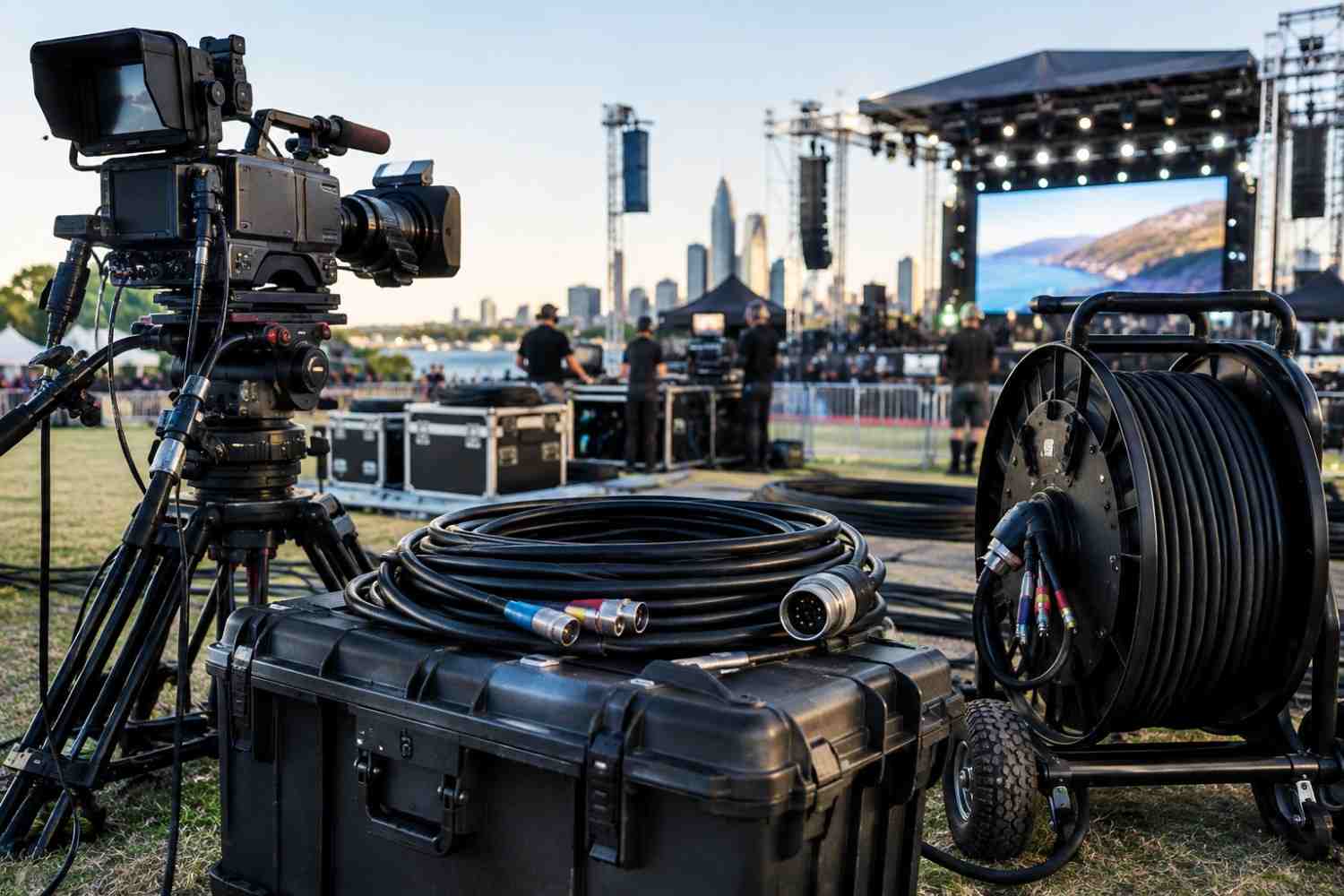
Outdoor production sites present unique challenges that traditional communication systems often struggle to overcome. Temporary venues frequently involve long cable runs across open spaces, exposure to unpredictable weather, and constant equipment relocation throughout the event lifecycle.
Broadcast engineers must maintain reliable connections between cameras, production compounds, commentary positions, media centres, and control rooms. Any interruption in connectivity can affect live transmissions and compromise production quality.
Unlike indoor environments, where infrastructure remains relatively protected, outdoor installations require cables and connectors specifically designed to withstand environmental stress. This is why professional production teams increasingly invest in rugged broadcast cabling solutions engineered for demanding field applications.
Environmental Factors Affecting Broadcast Connectivity
Weather remains one of the biggest challenges facing outdoor productions. Heavy rainfall, high humidity, dust storms, and prolonged UV exposure can significantly impact cable performance if unsuitable infrastructure is used.
Temperature variations also influence cable flexibility and durability. Fibre solutions deployed at outdoor sporting venues may experience cool mornings, intense afternoon heat, and cold evening conditions within a single broadcast day.
Operational Demands of Temporary Event Sites
Temporary productions require rapid deployment and efficient pack-down processes. Equipment is frequently transported, installed, removed, and redeployed at different locations. These operational requirements make durability and ease of handling critical considerations when selecting fibre infrastructure.
Choosing Rugged Broadcast Cabling for Long-Term Reliability
The foundation of any successful outdoor broadcast network begins with selecting appropriate cable infrastructure. High-quality rugged broadcast cabling is specifically designed to withstand physical stress while protecting delicate optical fibres housed within the cable structure.
Advanced cable designs incorporate reinforced jackets, crush-resistant layers, and protective materials that help prevent damage during deployment and operation. These features allow cables to remain operational despite exposure to heavy foot traffic, production vehicles, and repeated handling.
Mechanical Protection Requirements
Outdoor production sites often involve extensive equipment movement. Cameras, lighting systems, generators, and support vehicles create conditions where cable protection becomes essential.
Reinforced cable construction helps minimise the risk of fibre damage caused by compression, bending, or accidental impacts.
Durability and Deployment Efficiency
Production teams benefit from cabling systems that combine durability with flexibility. Lightweight yet robust designs improve deployment speed while reducing strain on technical crews responsible for setup and retrieval operations.
The Role of Broadcast Fibre Assemblies in Outdoor Deployments
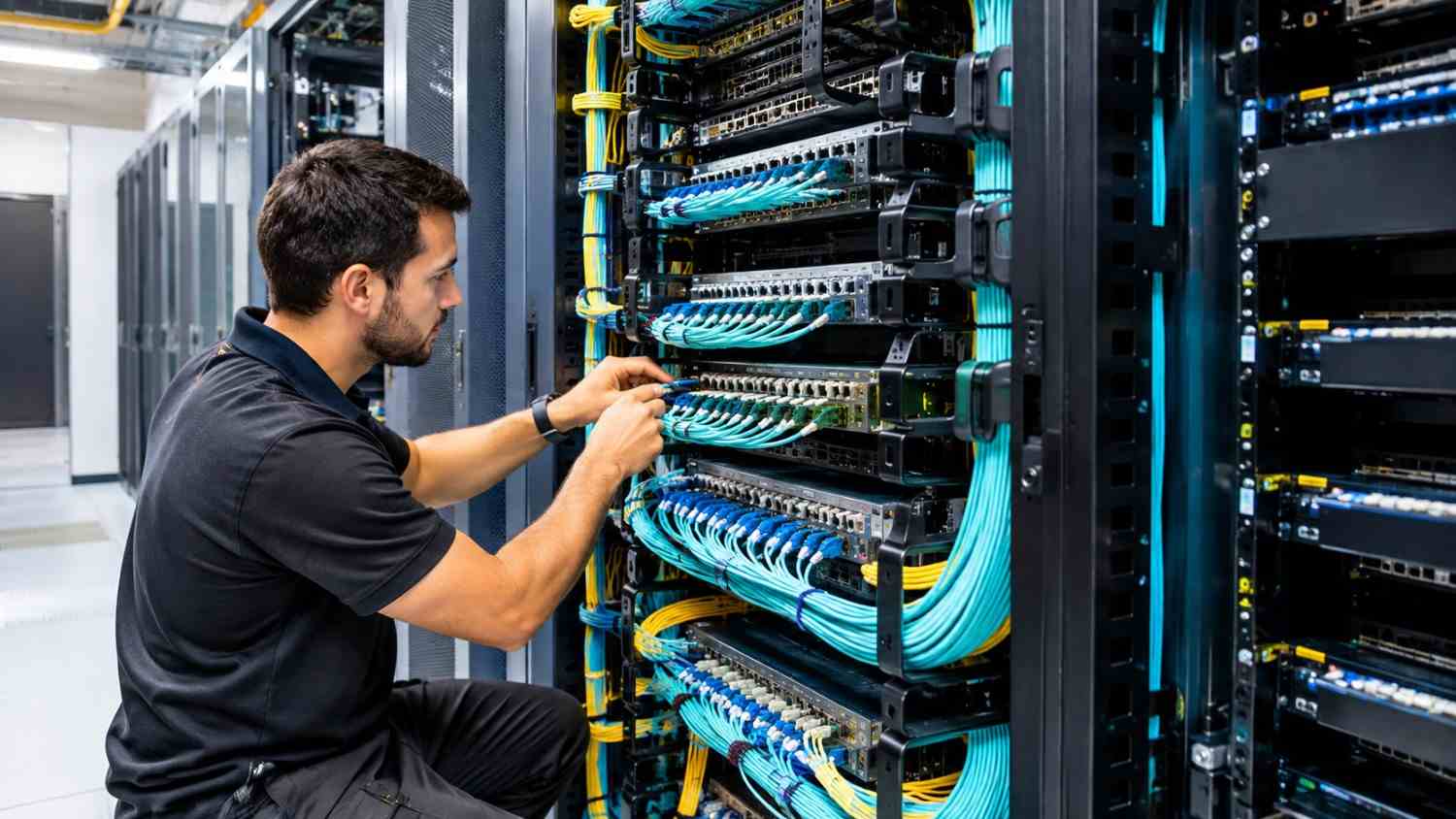
Reliable connectivity depends not only on cable quality but also on the performance of the entire transmission system. Professionally manufactured broadcast fibre assemblies provide pre-terminated solutions that simplify deployment and reduce installation errors.
These assemblies are designed to deliver consistent optical performance while minimising the need for field termination work. For temporary events where setup schedules are often compressed, pre-tested assemblies help accelerate deployment without sacrificing reliability.
Benefits of Factory-Terminated Assemblies
Factory termination ensures connector quality remains consistent across every installation. Precision manufacturing processes reduce insertion loss and improve overall network performance.
This consistency is particularly valuable in live broadcast environments where troubleshooting opportunities may be limited.
Reducing Setup Time During Live Productions
Pre-configured assemblies eliminate the need for on-site connector termination, allowing technical teams to focus on network testing and operational readiness rather than cable preparation.
Why Singlemode Broadcast Cabling Supports Modern Productions
As production requirements continue to expand, broadcasters increasingly rely on fibre networks capable of supporting long-distance transmission and high-capacity data transport. Singlemode broadcast cabling plays a vital role in meeting these demands.
Singlemode fibre supports transmission over significantly greater distances than traditional alternatives while maintaining exceptional signal quality. This capability is especially important for large-scale events where production compounds may be located hundreds or even thousands of metres from camera positions.
Supporting Remote Camera Locations
Major sporting venues often require connectivity between numerous camera positions distributed across expansive sites. Singlemode infrastructure enables reliable communication between these locations without introducing signal degradation.
Accommodating High-Bandwidth Workflows
Modern productions increasingly utilise 4K, HDR, and emerging ultra-high-definition formats. Singlemode fibre provides the bandwidth capacity necessary to support these evolving workflows.
Maintaining SMPTE Broadcast Connectivity in Challenging Conditions
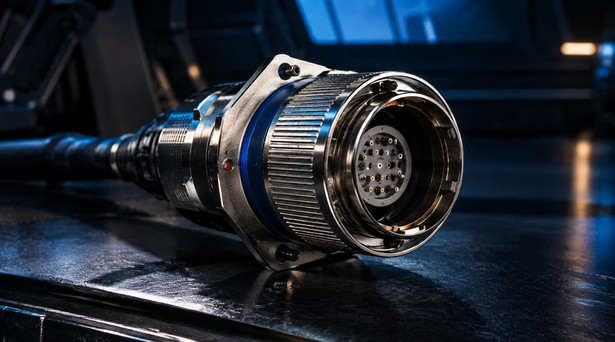
Camera connectivity remains one of the most critical aspects of live production infrastructure. SMPTE broadcast connectivity solutions are widely used to connect professional cameras while supporting both signal transmission and power delivery requirements.
Maintaining these connections in outdoor environments requires careful attention to cable routing, connector protection, and environmental management.
Protecting Critical Camera Connections
Production teams must ensure camera links remain secure throughout the event. Protective measures help reduce the risk of accidental disconnections and environmental contamination.
Ensuring Signal Stability Throughout Events
Reliable SMPTE systems contribute to uninterrupted camera operation, helping production crews maintain consistent video quality from start to finish.
Effective Cable Routing Strategies for Outdoor Venues
Proper cable routing significantly influences network reliability. Even high-performance fibre infrastructure can encounter problems if installation practices fail to account for environmental and operational challenges.
Careful planning helps minimise exposure to potential hazards while supporting efficient movement throughout the venue.
Why Many Broadcasters Buy Tactical Fibre Reel Solutions
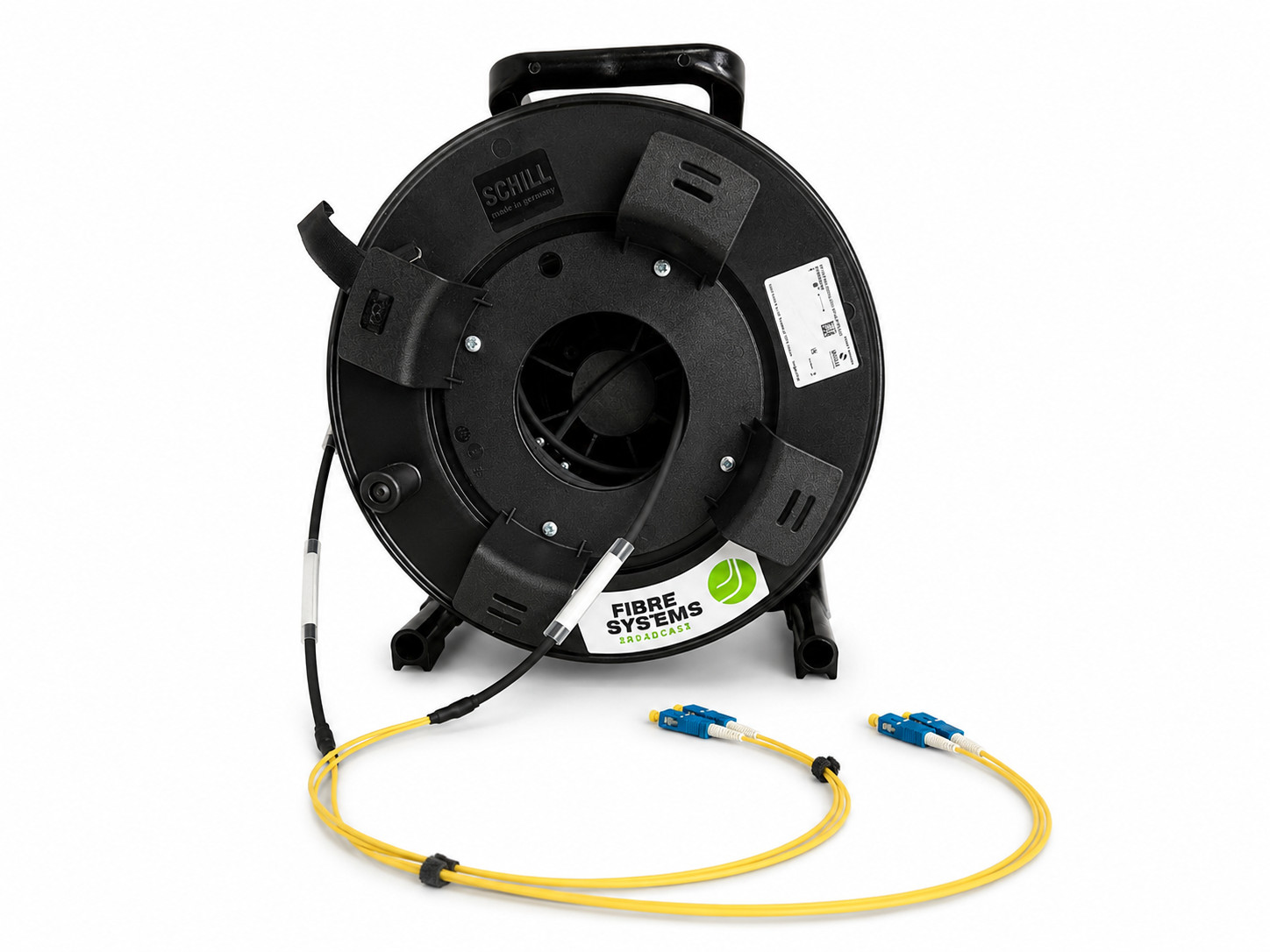
Efficient cable management remains essential in temporary production environments. Many organisations choose to buy tactical fibre reel systems because they simplify the transportation, deployment, and storage of fibre infrastructure.
Tactical reels provide organised cable handling solutions that help protect valuable network assets throughout the production lifecycle.
Faster Deployment and Retrieval
Structured cable management reduces setup times while improving operational efficiency. Teams can quickly deploy fibre links and retrieve them at the conclusion of the event.
Improved Cable Protection
Proper storage and transport practices help extend cable lifespan and reduce maintenance costs associated with damaged infrastructure.
The Advantages of Hybrid Broadcast Fibre Cable
As production systems become increasingly sophisticated, broadcasters often require solutions capable of supporting both power and data transmission requirements. Hybrid broadcast fibre cable addresses this need by integrating multiple functions within a single cable system.
This approach simplifies infrastructure requirements while reducing cable congestion across event sites.
Supporting Modern Camera Systems
Many professional camera systems require both optical connectivity and electrical power. Hybrid solutions streamline deployment while reducing installation complexity.
Simplifying Venue Infrastructure
Combining multiple transmission requirements within a single cable path reduces the overall cable footprint and improves site organisation.
Protecting Fibre Networks from Weather and Environmental Hazards
Environmental protection strategies play a crucial role in maintaining network performance. Rain, dust, mud, and extreme temperatures can affect fibre infrastructure if appropriate safeguards are not implemented.
Preventive measures help preserve network integrity and minimise operational disruptions during live events.
Fibre Inspection and Maintenance Best Practices
Regular inspection and maintenance contribute significantly to long-term reliability. Clean connectors, properly stored cables, and routine testing procedures help identify potential issues before they affect production operations.
A proactive maintenance approach ensures broadcast teams remain prepared for future deployments while protecting infrastructure investments.
Planning Network Redundancy for Live Events
Redundancy remains a fundamental principle of professional broadcast engineering. Backup fibre paths and alternative connectivity options help maintain operations if primary connections encounter unexpected issues.
Well-designed redundancy strategies reduce risk and enhance overall production resilience.
Future Trends in Outdoor Broadcast Fibre Infrastructure
The broadcast industry continues to evolve rapidly as higher-resolution video formats, remote production workflows, and cloud-based technologies become increasingly common. These developments place greater demands on network infrastructure and reinforce the importance of scalable fibre solutions.
Future deployments will likely involve even greater reliance on rugged broadcast cabling, advanced broadcast fibre assemblies, enhanced singlemode broadcast cabling, and integrated hybrid broadcast fibre cable technologies. Production teams that invest in robust infrastructure today will be better positioned to support tomorrow’s broadcast requirements.
Conclusion
Outdoor broadcasting environments require a reliable network infrastructure capable of performing in challenging conditions. By investing in rugged broadcast cabling, quality broadcast fibre assemblies, dependable singlemode broadcast cabling, reliable SMPTE broadcast connectivity, tactical fibre deployment solutions, and hybrid broadcast fibre cable, broadcasters can maintain consistent performance across live events and remote productions.
As broadcast technology continues to evolve, robust fibre-optic solutions will remain essential for supporting high-quality, uninterrupted connectivity. If you’re planning an outdoor broadcast deployment or reviewing existing infrastructure, speak with our team about fibre-optic solutions suited to your operational requirements.
FAQs
1. Why is rugged broadcast cabling important for outdoor events?
Rugged broadcast cabling is designed for outdoor broadcasting and live event production environments where cables are exposed to weather, dust, vehicle traffic, and frequent handling. It helps maintain reliable video, audio, and data transmission while reducing the risk of network failures during sporting events, festivals, remote broadcasts, and other temporary productions.
2. What are broadcast fibre assemblies used for?
Broadcast fibre assemblies are pre-terminated fibre-optic cable solutions used to connect cameras, production equipment, control rooms, and network infrastructure in broadcast environments. They simplify installation, reduce setup time, improve signal reliability, and support high-bandwidth transmission for live events, television production, and outside broadcasts.
3. When should singlemode broadcast cabling be used?
Singlemode broadcast cabling should be used when high-bandwidth signals need to be transmitted over long distances without significant signal loss. It is commonly used in stadiums, large event venues, remote camera locations, broadcast compounds, and outside broadcast applications where reliable long-range fibre connectivity is required.
4. What are the benefits of hybrid broadcast fibre cable?
Hybrid broadcast fibre cable combines fibre-optic data transmission and electrical power within a single cable. This reduces the number of cables required on-site, simplifies deployment, improves cable management, and supports professional broadcast equipment such as cameras, intercom systems, and field production devices.
5. Why do broadcasters use tactical fibre reels?
Broadcasters use tactical fibre reels to safely transport, deploy, and store fibre-optic cables in temporary production environments. Tactical reels help speed up installation and pack-down, improve cable organisation, protect fibre infrastructure from damage, and support efficient operations during live broadcasts, sporting events, and outdoor productions.