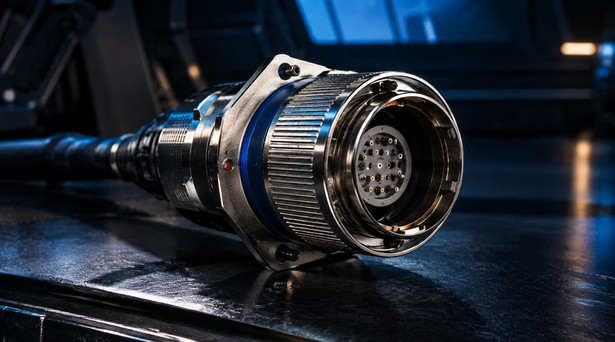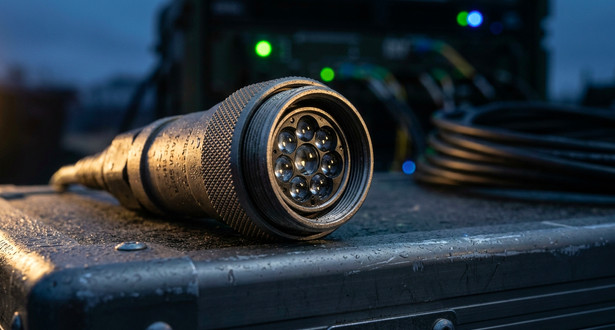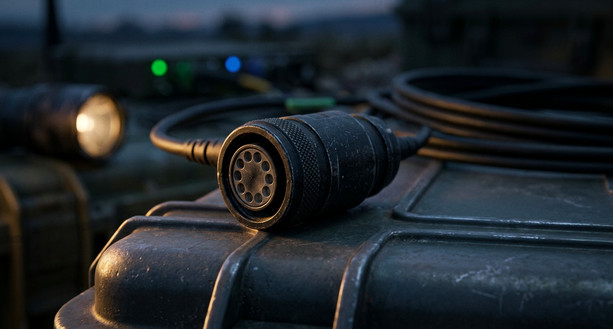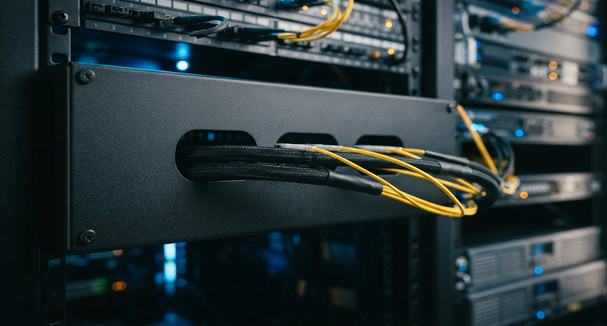
RM Auxiliary cover is a specialized protective component designed to shield, secure, and organize internal cabling and connection points within standard server racks and broadcast frames, and this hardware plays a crucial role in maintaining clean facility layouts. When broadcast engineers set up high-density racks, managing exposed spaces and vulnerable cable entries is always a major operational challenge. Dust, accidental impacts, and physical strain can quickly compromise fragile connections inside busy media infrastructure. Every broadcast facility manager knows that signal failure rarely happens because of a massive system crash; it usually starts from a small, neglected entry point where dust settles or cables rub against unprotected edges.
Fibre Systems delivers robust connectivity and hardware solutions designed to withstand the demanding conditions of Australian industrial and broadcast environments. Maintaining clean signal pathways requires more than just high-grade cabling; it demands complete physical protection across every square inch of the enclosure. When standard enclosures lack proper auxiliary shielding, technicians face constant maintenance issues and unexpected downtime. Addressing these physical vulnerabilities begins with understanding how minor gaps in rack architecture lead to major operational headaches across complex transmission chains.
The Real Cost of Unprotected Rack Openings in Broadcast Facilities
Broadcast operations run around the clock, meaning equipment racks are constantly subjected to thermal stress, vibration, and regular maintenance adjustments. When auxiliary spaces inside a rack remain open or use flimsy covers, particulate matter enters the chassis freely. Over time, dust accumulation on connection ports causes intermittent signal degradation, forcing engineers to spend hours troubleshooting ghost issues. Furthermore, loose cables hanging near sharp metal edges suffer from friction wear, stripping outer jackets and risking short circuits.
In a professional broadcast control room, a single point of failure can disrupt live transmissions and cause costly delays. Technicians often rely on temporary fixes like foam inserts or makeshift panels, but these degrade rapidly under continuous facility heat. Utilizing a dedicated RM Auxiliary cover provides a permanent, rigid barrier that seals vulnerable zones without obstructing airflow or cable routing. By securing these entry points, facilities drastically reduce the risk of environmental contamination and physical disruption.
Every installed RM Auxiliary cover acts as an immediate defense against accidental bumps from passing maintenance carts or loose tools. When technicians prioritize physical containment, the lifespan of internal patch cords and active network gear extends significantly across demanding multi-year deployment cycles, protecting sensitive transmission paths from airborne debris.
Why Standard Enclosures Fail Under High-Density Pressure
Most commercial off-the-shelf racks are built for general IT server rooms rather than specialized broadcast applications. Broadcast setups involve heavy coaxial bundles, complex patching fields, and dense power distribution units that crowd the interior layout. Standard panels often bend under the weight of heavy cable management rings or fail to fit snugly around specialized broadcast hardware. This leaves tiny gaps where cables enter or exit, creating structural weak points that invite dust and physical strain.
When technicians attempt to force standard covers onto mismatched frames, mounting tabs snap and screws strip out. This compromises the entire grounding and structural integrity of the rack. A purpose-built RM Auxiliary cover solves this issue by offering precise dimensions that integrate seamlessly with existing framing. It bridges the gap between raw hardware and organized cable pathways, ensuring that every internal component remains locked securely in place despite heavy daily use. Relying on an engineered RM Auxiliary cover prevents the structural warping commonly seen when makeshift panels are forced into tight rack spaces under extreme tension. Maintaining structural rigidity also prevents harmonic vibrations from transferring through the rack frame during high-volume audio rendering or heavy data transmission cycles.
Technical Specifications and Material Durability
Durability is the primary factor that separates industrial-grade broadcast hardware from consumer accessories. An RM Auxiliary cover is manufactured from high-grade materials treated to resist corrosion, physical impact, and thermal warping. In broadcast environments where equipment cabinets generate substantial heat during heavy rendering and transmission cycles, inferior plastics become brittle and crack. High-quality manufacturing standards ensure that the RM Auxiliary cover maintains its structural rigidity over years of continuous operation.
Engineers must also consider electromagnetic compatibility and grounding continuity when adding components to a rack. A properly fitted RM Auxiliary cover contributes to a cohesive, enclosed metal chassis that helps minimize electromagnetic interference between high-voltage power lines and sensitive signal cables. This attention to material science and mechanical design is what keeps modern broadcast infrastructure stable under intense operational demands. Choosing a certified RM Auxiliary cover guarantees that material composition complies with rigorous industrial stress thresholds without degrading over time, ensuring long-term mechanical stability in mission-critical environments.
Integrating Compliance and Australian Wiring Standards
Every modification and hardware addition within an Australian broadcast or industrial facility must align with established electrical and telecommunications regulations. Proper cable management directly impacts compliance, as tangled or exposed wiring can violate safety codes and create fire hazards. Facilities must ensure that all internal routing adheres to strict guidelines set by regulatory bodies. For instance, technicians referencing external compliance frameworks often review standards outlined by the Australian Communications and Media Authority regarding internal cabling safety and separation requirements. You can verify specific regulatory compliance and telecommunications guidelines by checking the ACMA wiring resources to ensure your installation meets all mandatory industry benchmarks.
Maintaining physical separation between power and data lines inside high-density enclosures prevents inductive interference and protects personnel during maintenance. An RM Auxiliary cover acts as a physical divider and shield, helping maintenance teams keep distinct cable looms separated and organized according to strict facility standards. Compliance is not merely about passing an inspection; it is about guaranteeing long-term operational safety for everyone working inside the control room. Incorporating an RM Auxiliary cover into your compliance checklist demonstrates a rigorous commitment to institutional safety protocols, safeguarding both human operators and sensitive transmission equipment against unexpected electrical faults.
Step-by-Step Guide to Installing an RM Auxiliary Cover
Proper installation ensures that the hardware performs exactly as engineered, maximizing both protection and aesthetic neatness within the rack. Follow this structured process to mount your RM Auxiliary cover safely and efficiently:
- Inspect and Clear the Target Area: Power down or carefully shift any active cables surrounding the target mounting zone. Vacuum away accumulated dust and debris from the frame edges to ensure a flush fit for your RM Auxiliary cover.
- Align the Mounting Points: Hold the RM Auxiliary cover against the designated rack slots, checking that screw holes and alignment tabs match the chassis profile perfectly without requiring forced pressure.
- Secure Fasteners Progressively: Insert mounting screws by hand to catch the threads, then tighten them in a diagonal pattern to distribute pressure evenly across the RM Auxiliary cover surface and prevent warping.
- Check Cable Clearance: Verify that underlying cables pass smoothly through the designated cutouts or behind the protective barrier of the RM Auxiliary cover without sharp bends or pinching against metal edges.
- Perform a Final Stability Check: Gently test the installed RM Auxiliary cover for any vibration play or looseness, ensuring the entire assembly remains completely rigid before resuming full rack operations.
Streamlining Cable Routing and Maintenance Workflows
Efficient maintenance workflows depend heavily on clean rack architecture. When an RM Auxiliary cover is installed correctly, it organizes the visual and physical workspace, allowing technicians to trace signal paths in seconds rather than minutes. During emergency troubleshooting, clarity is everything. If a cable runs through a chaotic, unprotected bundle, tracing it requires moving multiple unrelated lines, which increases the chance of accidentally disconnecting live feeds.
By segmenting the rack layout with dedicated protective covers, teams establish clear boundaries between heavy trunk lines and patch cables. This structured approach simplifies future expansions and equipment upgrades. When new gear enters the rack, technicians know exactly where routing channels are established, making integration fast and error-free. Every functional RM Auxiliary cover contributes directly to reducing mean time to repair during critical broadcast outages, allowing engineering teams to restore full operational capability without second-guessing cable pathways.
FAQ: Common Questions Regarding Rack Protection
- What is the primary function of an RM Auxiliary cover in a broadcast rack? An RM Auxiliary cover shields vulnerable cable entry points, prevents dust accumulation, and protects internal routing from accidental physical impact in high-density environments.
- Does installing an RM Auxiliary cover restrict necessary rack airflow? No, because an RM Auxiliary cover is specifically engineered to target unused or transition spaces, leaving dedicated ventilation paths open while sealing off vulnerable gaps.
- How does this hardware improve daily maintenance for broadcast technicians? It organizes cable pathways and prevents tangling, allowing engineers to access, inspect, and replace specific lines quickly without disrupting adjacent equipment.
Summary of Key Protection Practices
- An RM Auxiliary cover eliminates physical vulnerabilities by sealing open gaps and protecting internal cables from dust and friction wear.
- High-grade material construction prevents thermal warping and maintains structural rigidity under continuous broadcast operations.
- Proper installation following structured steps ensures secure mounting and preserves clean separation between power and signal lines.
Securing Your Broadcast Infrastructure for the Long Haul
Securing high-density broadcast infrastructure requires deliberate attention to small structural details that protect long-term signal integrity. Utilizing reliable hardware components eliminates common failure points before they lead to costly downtime. To explore our complete range of engineered hardware built specifically for Australian industrial and media environments, you can view the Fibre Systems product page. If you need expert guidance tailored to your facility setup, you are welcome to contact the Fibre Systems team to discuss customized solutions for your next project.