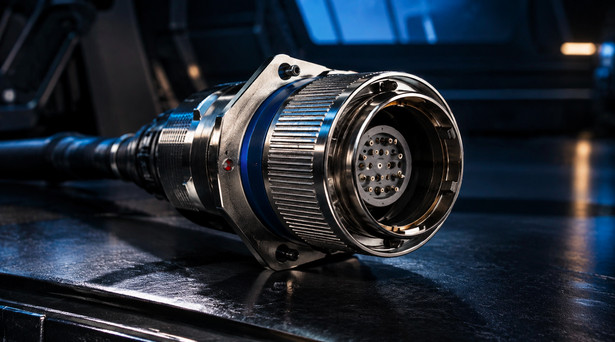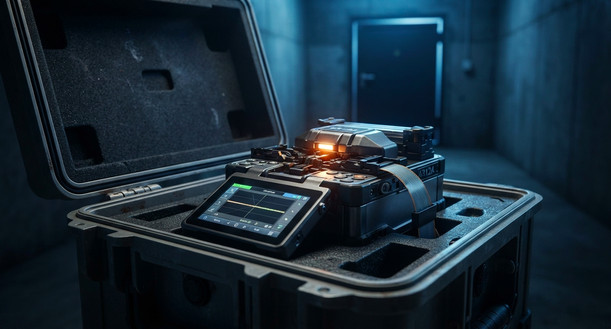
KR12A All in One units represent the pinnacle of high-density mass fusion technology, engineered specifically to eradicate ribbon fiber cleaving errors and high-capacity splice failures across massive infrastructure rollouts. When telecommunications backbones, data center interconnections, and defense networks demand the simultaneous alignment and fusion of up to 12 fibers at once, traditional single-fiber methods or substandard mass fusion kits inevitably introduce critical optical vulnerabilities.
A single flawed cleave in a high-capacity ribbon can compromise hundreds of data channels, leading to severe network latency, costly rework, and catastrophic system downtime. Developed by fibre systems, the advanced KR12A All in One delivers an uncompromising, fully integrated mass fusion solution designed to withstand the physical rigors of extreme field deployment. When data capacity requirements surge and network integrity is non-negotiable, having an automated, precision-calibrated mass splicing platform makes all the difference between seamless high-throughput transmission and total operational failure.
In modern high-density networking environments, the complexity of managing multi-fiber ribbon cables multiplies exponentially. Field technicians operating under intense pressure face mounting challenges when preparing, cleaving, and fusing high core-count ribbons in cramped manholes, mobile communication shelters, or remote transmission sites. Traditional splicing kits often rely on fragmented, delicate tools that fail to maintain consistent tension across all fibers simultaneously, resulting in jagged end-faces and high insertion loss.
The engineering behind the KR12A All in One directly neutralizes these persistent operational bottlenecks by combining synchronized multi-fiber cleaving assessment, automated V-groove cleaning, precision ribbon holder positioning, and rapid thermal sleeve shrinking into a single, armored enclosure. By eliminating human error and mechanical inconsistency during mass preparation, this specialized hardware empowers field crews to achieve laboratory-grade reliability in the harshest industrial landscapes.
The Rising Crisis of Ribbon Fiber Cleaving Errors and High Capacity Failures
Operating high-density fiber optic backbones exposes network operators to unique mechanical vulnerabilities that do not exist in single-fiber architectures. Understanding why ribbon fiber cleaving errors and high-capacity splice failures occur is vital for maintaining robust telecommunication links. When deploying 12-fiber or 24-fiber ribbon cables, uniform tension and precise parallel cleaving are absolute prerequisites for successful fusion. If a single fiber within the ribbon experiences micro-torsion or uneven mechanical stress during the cleaving process, its end-face angle deviates from the optimal perpendicular standard. When this imperfect ribbon is loaded into a standard mass fusion splicer, the mismatched end-faces create massive air gaps, high insertion loss, and complete core misalignment across multiple channels simultaneously.
The human element in high-capacity splicing further compounds these risks. Technicians working long hours in confined spaces or under adverse weather conditions experience hand fatigue, making it difficult to maintain the meticulous precision required for manual ribbon preparation and loading. When a mass splice fails verification testing, engineers cannot simply resice a single strand; the entire ribbon must be stripped, re-cleaved, and re-fused, wasting valuable materials and derailing project timelines.
Furthermore, standard modular kits lack the diagnostic feedback needed to catch minor fiber contamination or blade wear before the arc discharge occurs. The KR12A All in One is specifically engineered to eliminate these recurring failure points, providing automated monitoring, synchronized multi-fiber holding systems, and real-time end-face analysis to ensure flawless execution on every single high-capacity cycle.
Engineering Excellence: How the KR12A All in One Masterminds Mass Splicing Precision
Achieving flawless multi-core alignment and eliminating cleaving errors across twelve fibers simultaneously requires a radical engineering approach that transcends traditional single-fiber splicing technology. The KR12A All in One is constructed using a heavy-duty, impact-resistant industrial alloy frame encased in a weatherproof polymer shell, creating a rugged protective exoskeleton designed to absorb severe mechanical shock and vibration. Inside this armored chassis, the core alignment system utilizes advanced high-resolution imaging and independent micro-motors that adjust each individual fiber within the ribbon in real time, compensating for microscopic irregularities in ribbon manufacture or preparation.
Precision preparation begins well before the fusion arc is generated. The KR12A All in One incorporates a synchronized multi-fiber guiding mechanism that locks ribbon holders into exact alignment positions, preventing the twisting or bowing that causes uneven cleaves. Automated optical sensors inspect every individual fiber end-face across the entire 12-fiber array, instantly flagging angular errors, dust particles, or hackles before the fusion cycle can even begin.
This proactive quality control prevents wasted splices and protects network integrity. Additionally, the integrated thermal sleeve heating chamber is specifically optimized for multi-fiber protection sleeves, applying uniform, rapid heat distribution to prevent air bubbles and moisture ingress, thereby guaranteeing long-term mechanical strength across the entire high-capacity backbone link.
Comparing Traditional Mass Splicing Kits Against the Advanced KR12A All in One Solution
To fully appreciate the operational advantages of modern high-density hardware, decision-makers must contrast traditional multi-component ribbon splicing methods with the KR12A All in One platform. The following comparison table highlights why industry leaders standardize on integrated mass fusion solutions when network capacity and deployment speed are paramount.
| Feature | Traditional Modular Ribbon Splicing Kits | Advanced KR12A All in One Platform |
| Cleave Quality Control | Dependent on manual tensioning; prone to individual fiber end-face angle errors. | Synchronized mechanical locking and automated optical inspection across all 12 fibers. |
| Alignment Precision | Fixed V-grooves often lead to high cumulative insertion loss in high core counts. | Active real-time core and cladding alignment for every individual fiber in the ribbon. |
| Operation Speed | Slow; requires separate tools, manual re-cleaving, and tedious multi-step loading. | Rapid automated workflow executing mass stripping, cleaning, and fusion in record time. |
| Field Durability | Fragile external housings crack easily when exposed to dust, moisture, and impact. | Weatherproof, shock-absorbing armor built for demanding industrial and tactical environments. |
| Sleeve Shrinking | Standard single heaters cause uneven cooling and bubble formation on wide ribbons. | Optimized multi-fiber heating chamber ensures uniform, defect-free sleeve protection. |
| Power Management | Fragmented power sources requiring external AC lines or unreliable generators. | High-capacity, hot-swappable internal batteries designed for extended field autonomy. |
| Error Prevention | Minimal feedback; failures discovered only during post-fusion OTDR testing. | Pre-fusion end-face analysis prevents faulty splices and eliminates material waste. |
Reviewing this comparison clearly demonstrates the distinct engineering superiority of the KR12A All in One for high-density infrastructure projects. By eliminating the root causes of ribbon cleaving errors and high-capacity splice failures, organizations protect their substantial capital investments and ensure bulletproof network performance.
Key Operational Benefits for High-Capacity Backbone and Data Center Teams
Transitioning to a specialized, integrated mass fusion platform brings measurable operational advantages that directly enhance deployment speed, network throughput, and long-term reliability. Organizations standardizing on the KR12A All in One quickly realize that equipment integration transforms complex ribbon splicing into a streamlined, predictable workflow.
1. Eradicating Cumulative Insertion Loss in High-Density Links
In massive backbone networks and data center interconnects, cumulative optical loss degrades data transmission speeds and limits reach. The advanced multi-core alignment technology within the KR12A All in One ensures that every single fiber in a 12-fiber ribbon achieves near-zero insertion loss. By actively correcting individual fiber offsets before fusion, the unit maintains pristine signal clarity across hundreds of parallel channels, maximizing bandwidth utilization without requiring signal regeneration equipment.
2. Dramatic Reductions in Splicing Rework and Material Waste
Re-doing a failed 12-fiber ribbon splice is an expensive and time-consuming ordeal that drains technician morale and depletes precious consumable inventories. The pre-fusion inspection capabilities of the KR12A All in One catch cleaving errors, dust contamination, and fiber twists before the arc is applied. This proactive error prevention eliminates the cycle of failed splices and rework, saving hours of labor in remote manholes or constrained data center racks.
3. Streamlined Logistics and Enhanced Field Portability
Managing a fragmented assortment of ribbon strippers, specialized cleavers, separate heating ovens, and bulky power supplies creates severe logistical friction on large-scale projects. The KR12A All in One consolidates all essential mass fusion tools into a single, highly organized, ruggedized transit case. This consolidation reduces total equipment weight, minimizes setup time, and simplifies inventory control, enabling field crews to deploy high-capacity links faster and with greater confidence than ever before.
Compliance Standards and Regulatory Frameworks with ACMA Guidelines
Maintaining strict adherence to national and international regulatory standards ensures that telecommunications infrastructure meets rigorous benchmarks for safety, electromagnetic compatibility, and optical performance. In Australia, the deployment and maintenance of high-capacity cabling infrastructure are governed by strict legislative frameworks established to protect network integrity and public safety. Professionals performing installation and repair work must align their operating procedures with directives set forth by the authorized regulatory bodies.
The primary regulatory authority overseeing telecommunications cabling standards in Australia is the Australian Communications and Media Authority (ACMA). Compliance with ACMA requirements guarantees that deployed hardware meets national electrical safety codes, structural integrity mandates, and technical performance benchmarks. For comprehensive regulatory details and official guidelines regarding telecommunications infrastructure compliance, professionals frequently consult resources provided by ACMA. Their published standards ensure that all high-density field installations maintain exceptional levels of reliability and compliance.
Utilizing the KR12A All in One supports full compliance with these stringent Australian standards by delivering precise, repeatable mass splice quality and reliable attenuation documentation. The integrated testing and data-logging capabilities of the KR12A All in One allow technicians to verify optical loss across all 12 fibers immediately, ensuring every completed backbone link satisfies required performance budgets before network sign-off. By adhering to ACMA-aligned practices supported by professional-grade hardware, organizations demonstrate an unwavering commitment to national network standards and operational excellence.
Proactive Maintenance Strategies to Ensure Long-Term Fleet Reliability
Long-term operational availability depends heavily on establishing disciplined, proactive maintenance routines. Even the most ruggedized mass fusion equipment benefits immensely from simple post-mission care and scheduled inspections, ensuring that your investment performs flawlessly across hundreds of high-capacity deployments.
Following operations in dusty industrial sites or tight underground vaults, technicians should inspect the exterior housing of the KR12A All in One and clean surfaces using mild soap and a lint-free cloth. Avoid harsh chemical solvents that could degrade protective rubber seals. Crucially, the multi-fiber V-grooves, objective lenses, and LED illumination surfaces of the KR12A All in One must be kept meticulously clean. Dust accumulation or microscopic ribbon residues in these optical chambers are the primary cause of alignment errors during mass fusion cycles; regular cleaning with approved alcohol swabs prevents unexpected field failures.
Furthermore, inspect the specialized multi-fiber cleaver blade regularly. Over time, high cleave counts dull the cutting edges across the multi-fiber array, leading to poor end-faces that trigger cleaving errors. Rotating or replacing the blade according to manufacturer schedules ensures optimal performance. Finally, manage battery health by storing power modules in cool, dry conditions when inactive. Following these routine maintenance steps guarantees that your KR12A All in One fleet remains ready for action whenever critical backbone infrastructure requires immediate expansion or repair.
Frequently Asked Questions About the KR12A All in One
How does the KR12A All in One prevent ribbon fiber cleaving errors?
The unit utilizes synchronized mechanical ribbon holders that lock fibers in parallel, combined with automated pre-fusion optical sensors that inspect every individual fiber end-face for angular defects, hackles, or contamination before the fusion cycle begins.
Can the KR12A All in One handle varying fiber counts in ribbon cables?
Yes, the KR12A All in One is engineered to support standard multi-fiber configurations, including 2-fiber, 4-fiber, 8-fiber, and 12-fiber ribbon cables, utilizing interchangeable, precision-machined fiber holders.
How does active alignment improve high-capacity backbone performance?
Unlike fixed-groove mass splicers that suffer from cumulative optical loss, the KR12A All in One employs independent micro-motors to align each individual fiber core and cladding in real time, guaranteeing near-zero insertion loss across all channels.
What maintenance is required to keep the multi-fiber cleaver and splicer operating at peak efficiency?
Routine maintenance involves cleaning the multi-fiber V-grooves and optical lenses with high-purity alcohol swabs, inspecting the protective rubber seals, and periodically rotating or replacing the multi-fiber cleaver blade based on usage counts.
Defeat Splice Failures and Secure Your High-Capacity Backbones Today
Overcoming the persistent challenges of ribbon fiber cleaving errors and high-capacity splice failures requires investing in purpose-built hardware engineered specifically for demanding industrial and telecommunication environments. By integrating synchronized multi-fiber preparation, active core alignment, and ruggedized physical protection into a single platform, the KR12A All in One guarantees flawless optical performance, rapid deployment speeds, and total compliance with industry standards. Organizations that standardize on this professional-grade equipment empower their technical teams to build resilient, high-throughput backbone networks that stand the test of time.
Ready to elevate your high-density infrastructure capabilities with industry-leading mass fusion technology? Explore our product range to discover more specialized solutions engineered for demanding industrial applications. For tailored project specifications and expert guidance, contact our team today to request a custom quote and take the definitive step toward defeating high-capacity splice failures with the KR12A All in One.