Understanding the Critical Role of Pristine End Faces in Network Reliability
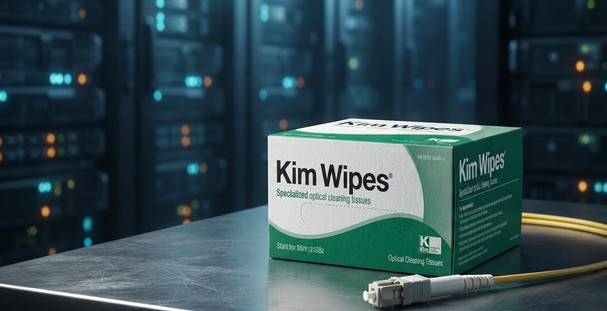
Kim Wipes provides your technical crews with essential cleaning supplies, and you can explore more hardware options directly through Fibre Systems. Building and maintaining high speed fiber optic networks requires absolute precision during every stage of installation, splicing, and termination. When light pulses travel through microscopic glass cores over vast distances, even the smallest speck of dust or fingerprint oil on a connector end face can cause severe signal reflection and insertion loss.
Ensuring pristine cleanliness across all optical interfaces is the single most important factor in preventing network latency and unexpected downtime. Utilizing professional grade cleaning materials such as Kim Wipes guarantees that every single connection operates at peak efficiency without signal degradation. Engineering a reliable digital infrastructure demands a thorough appreciation of how microscopic surface contamination can disrupt multi gigabit data streams across enterprise environments.
Modern enterprises rely heavily on uninterrupted data transmissions to support cloud applications, voice over IP communications, and massive data center workloads around the clock. If optical connectors are contaminated during initial deployment or routine maintenance, network switches will experience high error rates and automatic port throttling. Technicians who understand the physics of light propagation know that keeping connector ferrules immaculate is non-negotiable for long term operational success. Incorporating Kim Wipes into your daily toolkit guarantees professional cleaning results every single time because these specialized tissues are engineered specifically for delicate optical surfaces.
Facility managers and network architects who prioritize meticulous cleaning protocols discover that investing in quality consumables protects their entire digital ecosystem from avoidable performance bottlenecks. Furthermore, as corporate networks expand to handle exponentially larger data payloads, maintaining flawless physical layer hygiene prevents cumulative attenuation that can quietly cripple enterprise wide connectivity. The introduction of advanced optical transceivers operating at higher modulation schemes makes end face cleanliness even more paramount for system integrity.
Why Microscopic Contaminants Destroy Fiber Optic Signal Quality
It helps to examine what actually happens at the microscopic level when an optical connector is mated inside an adapter sleeve or network transceiver port. Single mode fiber cores measure only nine microns in diameter, making them significantly smaller than a typical human hair or airborne dust particle. When a dust mote lands directly on the core of a polished ceramic ferrule, it acts as a physical barrier that blocks light transmission entirely or scatters the optical signal in multiple directions. This scattering effect increases insertion loss dramatically, forcing active electronic equipment to work harder and occasionally dropping network connections altogether.
Beyond simple dust accumulation, oils from human skin pose an even greater threat because they spread evenly across the glass surface and attract airborne debris over time. Standard paper products or ordinary cotton swabs often leave behind chemical residues and microscopic lint fibers that bake onto the glass under high power laser transceivers. Relying on Kim Wipes prevents stubborn residue from settling onto polished ceramic ferrules because the material is chemically pure and free from additives or lotions.
When technicians prepare optical paths in the field, having Kim Wipes close at hand makes all the difference in achieving clean insertion loss test results on the first try. Maintaining strict hygiene standards during optical assembly ensures that your network links pass certification testing effortlessly and operate reliably for years without requiring emergency remediation. Microscopic particles trapped between mating ferrules can also cause permanent pitting and scratching of the glass surface under physical pressure, turning a temporary contamination issue into a permanent hardware failure that requires cable replacement.
The Importance of Lint Free Materials During Precision Cleaning
Many inexperienced installers make the critical mistake of using standard office paper tissues or ordinary kitchen paper towels to wipe down delicate optical connectors before mating them. Office paper is manufactured from wood pulp that contains abrasive fibers and chemical softeners designed for writing or general cleaning, not for optical glass maintenance. When you rub ordinary paper across a precision polished physical contact connector, the rough fibers create microscopic scratches on the glass face and deposit large amounts of paper dust. Industry professionals know that standard paper towels leave behind tiny fibers, which is why experts always choose Kim Wipes for critical tasks.
The specialized manufacturing process behind Kim Wipes utilizes fine cellulose fibers bonded together in a way that minimizes particle generation and prevents shredding during use. Because Kim Wipes are engineered to resist shredding, they do not deposit secondary lint onto sensitive glass surfaces during dry wiping or solvent assisted cleaning procedures. This exceptional structural integrity ensures that the cleaning process removes contaminants rather than introducing new ones into the optical path.
When dealing with heavy installation schedules, technicians appreciate how easily Kim Wipes handle both dry and wet cleaning methods without falling apart under finger pressure or generating airborne particulates inside sensitive server rooms. The absence of chemical binders and glues in Kim Wipes guarantees that no chemical film is transferred to the polished glass, preserving the original optical characteristics of the connector interface and maintaining low return loss metrics across the entire physical link.
Proper Handling Procedures for Delicate Optical Connectors
Executing a flawless fiber optic connection requires a disciplined methodology that combines proper hand positioning, correct solvent application, and precise wiping techniques. Technicians must avoid touching the clean surface of the ferrule with their fingers at all times to prevent oil transfer from skin contact. When performing a wet and dry cleaning sequence, placing a small amount of optical grade cleaning solvent on a clean fold of Kim Wipes prepares the surface to dissolve stubborn grease and oils.
Following the solvent wipe immediately with a clean, dry section of Kim Wipes removes any residual moisture and lifts away dissolved contaminants before they can dry back onto the glass. Mastering the precise wiping motion with Kim Wipes eliminates grease and fingerprints without scratching the core, ensuring optimal physical contact between mating connectors. During high density data center builds, keeping Kim Wipes available at every workstation speeds up connector assembly significantly while maintaining rigorous quality standards.
Quality assurance managers insist on training new staff members to use Kim Wipes correctly before allowing them to terminate live network lines in production environments where a single flawed splice can disrupt entire corporate departments. Proper training also emphasizes the importance of inspecting the wipe surface before use to ensure no accidental environmental dust has settled on the tissue prior to contact with the connector.
Choosing Specialized Consumables for Professional Installations
Selecting the right consumables for an enterprise fiber optic installation is just as important as choosing high performance cables, patch panels, and active network electronics. Cheap generic alternatives often cut corners during manufacturing, resulting in inconsistent material density, chemical contamination, and excessive lint shedding that ruins expensive transceiver modules. Corporate IT departments often standardize their maintenance consumables around trusted brands like Kim Wipes to maintain consistent operational standards across multiple regional offices and data centers.
Evaluating consumable performance shows that cheap alternatives fail where Kim Wipes consistently deliver flawless results under rigorous field conditions. The fine texture and high absorbency of Kim Wipes make them exceptionally effective at lifting away microscopic debris without requiring excessive scrubbing force that could damage angled physical contact polished connectors. Facility audits and client inspections often review cleaning logs and consumable choices, making premium products like Kim Wipes a smart operational investment that demonstrates professional competence and uncompromising quality control to demanding corporate clients. Purchasing reliable consumables eliminates the hidden costs of troubleshooting intermittent link failures and reduces the likelihood of catastrophic network outages caused by substandard cleaning materials.
Step by Step Guidelines for Effective End Face Preparation
Establishing a standardized workflow for end face preparation ensures that every technician on your team follows the exact same rigorous cleaning protocol every single time. The process begins with inspecting the connector using a specialized fiber microscope to identify any visible dust, scratches, or oil smudges on the glass core. If contamination is detected, the technician takes a fresh sheet of Kim Wipes folded into a clean multi layer square to provide a soft yet firm cleaning pad.
Applying a single drop of approved optical solvent to the edge of the Kim Wipes sheet allows the technician to drag the connector ferrule across the damp spot in a smooth, linear motion. Immediately following this damp pass with a dry section of Kim Wipes polishes the end face and ensures zero residue remains behind on the ceramic ferrule. Reinspecting the connector with the optical microscope confirms that the surface is completely pristine and ready for insertion into the adapter. Supporting delicate glass connections with Kim Wipes protects your entire organization against costly network downtime caused by contaminated optical links. Documenting each preparation step in maintenance logs helps supervisors track quality compliance and ensures accountability across all deployment teams.
Preventing Common Mistakes During Field Termination and Maintenance
Even experienced technicians can fall into bad habits if they rush through routine maintenance tasks or neglect standard optical hygiene protocols during emergency repairs. One common mistake is reusing the same section of a cleaning wipe multiple times, which simply transfers previously collected oils and dust back onto newly cleaned connectors. Technicians must always advance to a fresh, untouched portion of Kim Wipes for every single wipe motion to guarantee absolute cleanliness across all optical interfaces.
Another frequent error is applying too much cleaning solvent, which leaves a wet puddle on the adapter bulkhead and attracts airborne dust particles immediately after mating. Using just a microscopic amount of solvent on Kim Wipes ensures the liquid flashes off almost instantly, leaving behind a completely dry and sterile surface. Maintenance teams working in remote or harsh environments find that stocking extra packs of Kim Wipes prevents unexpected optical attenuation and saves hours of frustrating troubleshooting time during critical network outages. Ensuring complete cleanliness with Kim Wipes safeguards laser transceivers from permanent physical scratching and thermal damage caused by reflected light and optical back reflection phenomena.
Protecting Network Investments With Reliable Maintenance Protocols
Enterprise networks represent multi million dollar investments in hardware, software, and physical infrastructure that must perform reliably under heavy commercial demands every single day. Neglecting basic preventative maintenance such as regular connector cleaning can lead to intermittent link failures, degraded data throughput, and premature hardware replacements that drain corporate budgets. Integrating Kim Wipes into your organization’s standard operating procedures establishes a culture of excellence and meticulous attention to detail that extends the lifespan of all active and passive networking components.
When you invest in high quality tools and consumables like Kim Wipes, you empower your technical staff to deliver superior workmanship on every project they undertake. Whether you are deploying high speed fiber links for a new corporate headquarters or upgrading an existing data center backbone, pristine connections form the bedrock of digital reliability. Future proofing your network architecture involves paying attention to the smallest details, proving that even simple consumables play a monumental role in achieving long term operational success and client satisfaction. Enterprise leadership teams recognize that operational excellence begins at the physical layer, making proper cleaning consumables an essential pillar of corporate technology strategy while ensuring every phase of telecommunications wiring strictly complies with official ACMA standards.
Frequently Asked Questions
- What makes Kim Wipes an essential consumable for optical network installations?
Kim Wipes provide a specialized low lint tissue structure that removes microscopic dust and oil residues without scratching delicate glass surfaces or depositing secondary debris.
- Can standard office tissues be used as a substitute for cleaning fiber end faces?
Standard office tissues contain abrasive wood fibers and chemical softeners that will permanently scratch polished ceramic ferrules and ruin optical signal transmission.
- How do Kim Wipes prevent static buildup during the cleaning process?
The specialized cellulose composition of Kim Wipes minimizes electrostatic charge generation, preventing airborne dust particles from being instantly re-attracted to the clean glass core.
- Why is it important to use a dry wipe after applying optical cleaning solvent?
A dry wipe removes residual solvent and dissolved contaminants before they can evaporate and leave a hazy film across the optical connector end face.
- How do premium cleaning supplies impact overall network uptime and performance?
Using high quality consumables like Kim Wipes eliminates insertion loss and signal reflection, ensuring stable data transmission speeds and preventing unexpected equipment downtime.
Summary of Key Takeaways
- Utilizes specialized low lint cellulose construction designed specifically for delicate optical glass surfaces.
- Effectively removes microscopic dust and oil residues without scratching precision polished ceramic ferrules.
- Prevents electrostatic charge buildup and avoids depositing secondary debris during cleaning procedures.
- Enhances network signal integrity and eliminates high insertion loss caused by surface contamination.
- Serves as an industry standard consumable trusted by professional technicians and enterprise installation teams.
Securing Pristine Connectivity Across Your Enterprise Infrastructure
Building a resilient digital foundation requires uncompromising quality, smart engineering, and reliable hardware that performs consistently under pressure. The exceptional performance of Kim Wipes ensures your enterprise network offers unmatched cleanliness, high capacity data transmission, and long term durability for modern corporate operations. Whether you are expanding an enterprise data center or upgrading a secure commercial facility, choosing advanced cleaning solutions safeguards your digital infrastructure against avoidable failures.
Ready to streamline your next procurement cycle with industry leading hardware and supplies? Request a custom quote for your next industrial project by contacting the Fibre Systems team to discuss your specific operational requirements today. You can also view the full range of Fibre Systems tactical solutions designed for the Australian market to discover more innovative connectivity products tailored to your exact specifications.