Fibre network design is the foundational blueprint for how your enterprise sends and receives data, and Fibre Systems ensures this foundation never fails. Many managers assume their infrastructure is a set it and forget it utility that works automatically forever.
This perspective is why your current Fibre network design is likely a massive hidden drain on your budget. When you ignore the importance of a professional Fibre network design during your project planning, you are not just building a basic connection. You are building a financial debt that will be paid back through constant emergency repairs and recurring downtime.
Quality Fibre network design is the only thing standing between your operations and a total system blackout. Your business relies on constant uptime and a well-executed Fibre network design ensures that your data travels with zero interruption.
The Financial Reality of Poor Fibre Network Design
Every Australian business operates on the assumption that their internal network will function when the pressure is high. However, if your Fibre network design was built using cheap components or rushed planning, you are gambling with your revenue. A failure in the physical layer is rarely just a cable issue. It is a complete workflow collapse that often leads to thousands of dollars in lost productivity.
When you look at your budget, you probably see camera gear and high end switchers as your primary investments. The tragedy is that your entire investment can be neutralized by a poor Fibre network design that fails under the physical heat of a high density studio or an industrial mining site. You are paying for the upgrade either way, either through proactive investment in a reliable Fibre network design or through reactive, premium priced emergency repairs when your system eventually gives up on you.
Why Scalability Defines Your Fibre Network Design
Scalability is not just about adding more ports to a rack. True scalability in your Fibre network design means that your architecture can grow with your company without requiring a complete teardown every two years. If your current team has to rip out cabling to add a new 12G SDI feed, your original Fibre network design was not built for your professional needs.
Fibre Systems emphasizes a modular approach to every Fibre network design we implement. We prioritize racks and panels that allow your engineers to add new connections without touching the existing backbone. This approach to Fibre network design protects your existing signal paths while giving you the freedom to expand your capabilities on your own timeline. When your Fibre network design is modular, your costs drop because you stop paying for total system replacements.
Specific Environmental Challenges in Australia
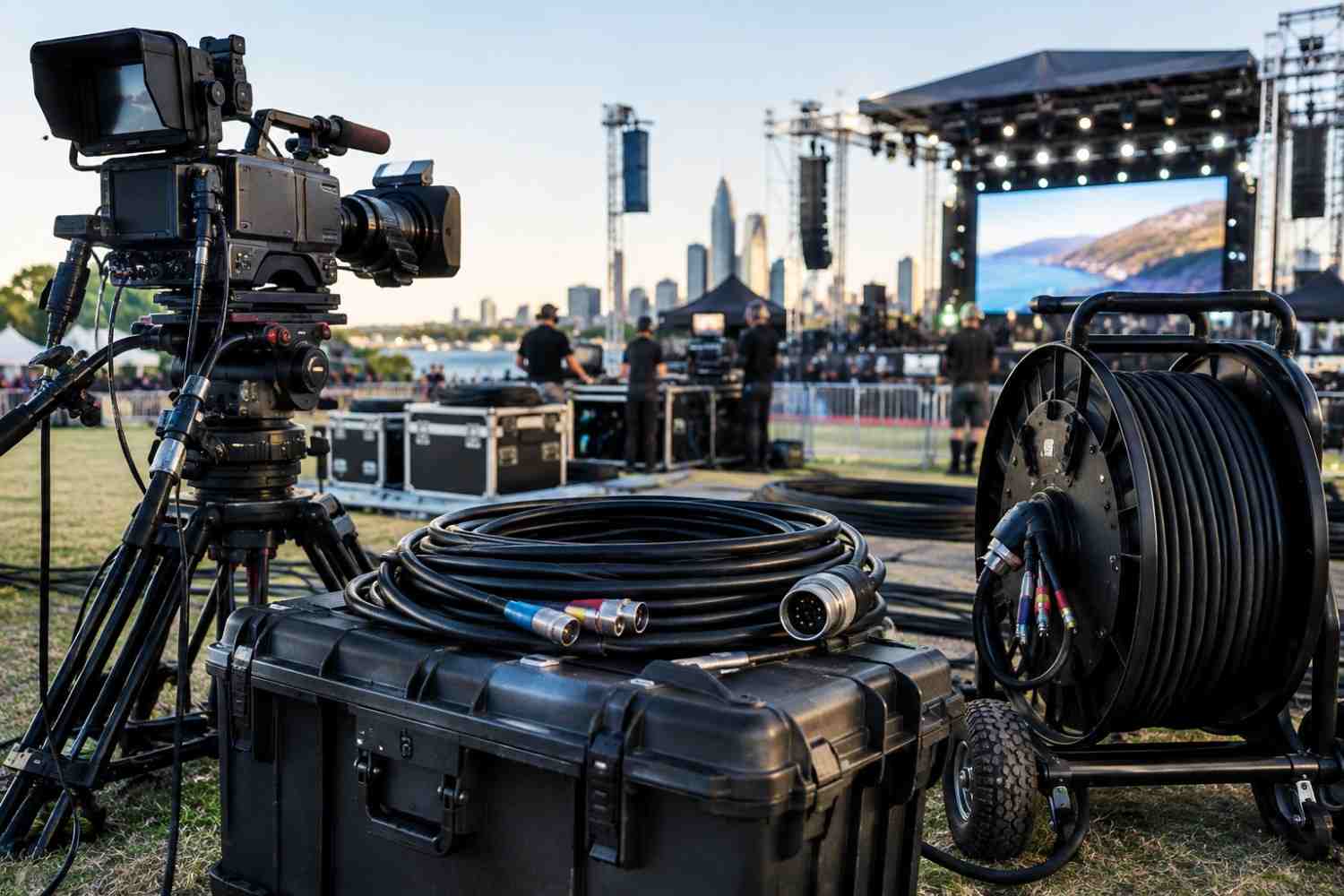
A major factor often overlooked in a standard Fibre network design is the harsh reality of the Australian environment. Whether you are operating a broadcast truck in the middle of a desert heatwave or managing a data link in a high humidity coastal mining site, your infrastructure faces physical threats that standard commercial grade cables simply cannot handle.
Standard cabling is designed for climate controlled offices. When you take that same Fibre network design into an industrial site, the outer jacket begins to break down. Once the jacket fails, moisture penetrates the internal layers. This causes the signal to scatter and results in intermittent drops that seem impossible to trace. A professional Fibre network design must use materials that are chemically resistant and thermally stable.
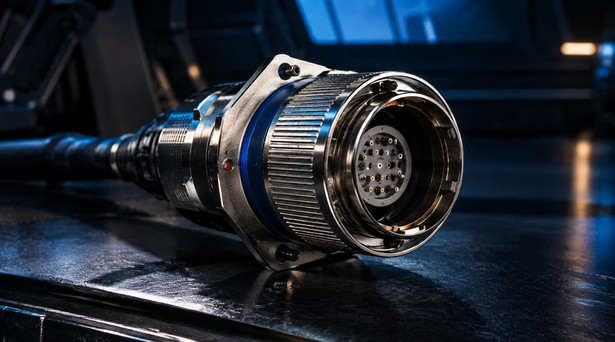
We ensure that every Fibre network design we support uses hardware that is rated for extreme temperature swings and high vibration. If your equipment is moving, the vibration causes the fibre connections to wiggle slightly, leading to tiny gaps in the glass connection. A robust Fibre network design uses locking mechanisms and ruggedized housings to eliminate these vibrations, ensuring your uptime remains consistent regardless of the weather outside.
Technical Lifecycle Management: The Long Game!
Strategic planning requires thinking beyond the installation date. A superior Fibre network design anticipates that hardware will age, standards will evolve, and bandwidth demands will increase. Many enterprises fail because they treat their Fibre network design as a static entity.
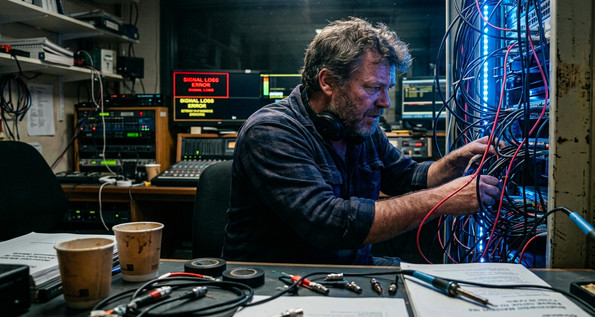
In reality, your infrastructure should follow a managed lifecycle. We assist our clients in documenting the signal performance of their Fibre network design from day one. This documentation acts as a baseline. When you know exactly what your signal loss levels were during the initial install, you can detect subtle degradation long before it causes a failure.
This is how high level enterprises keep their networks running for decades rather than just a few years. By integrating lifecycle management into your initial Fibre network design, you transform your physical layer from a liability into a stable, long term asset that supports every technology transition your company undergoes.
Proactive vs. Reactive: Breaking the Cycle
The most stressful part of managing any network is the constant shift between firefighting and routine tasks. When your Fibre network design is weak, you spend 90% of your time in reactive mode. You are constantly hunting for the source of a drop, swapping out patch leads, and apologizing to stakeholders.
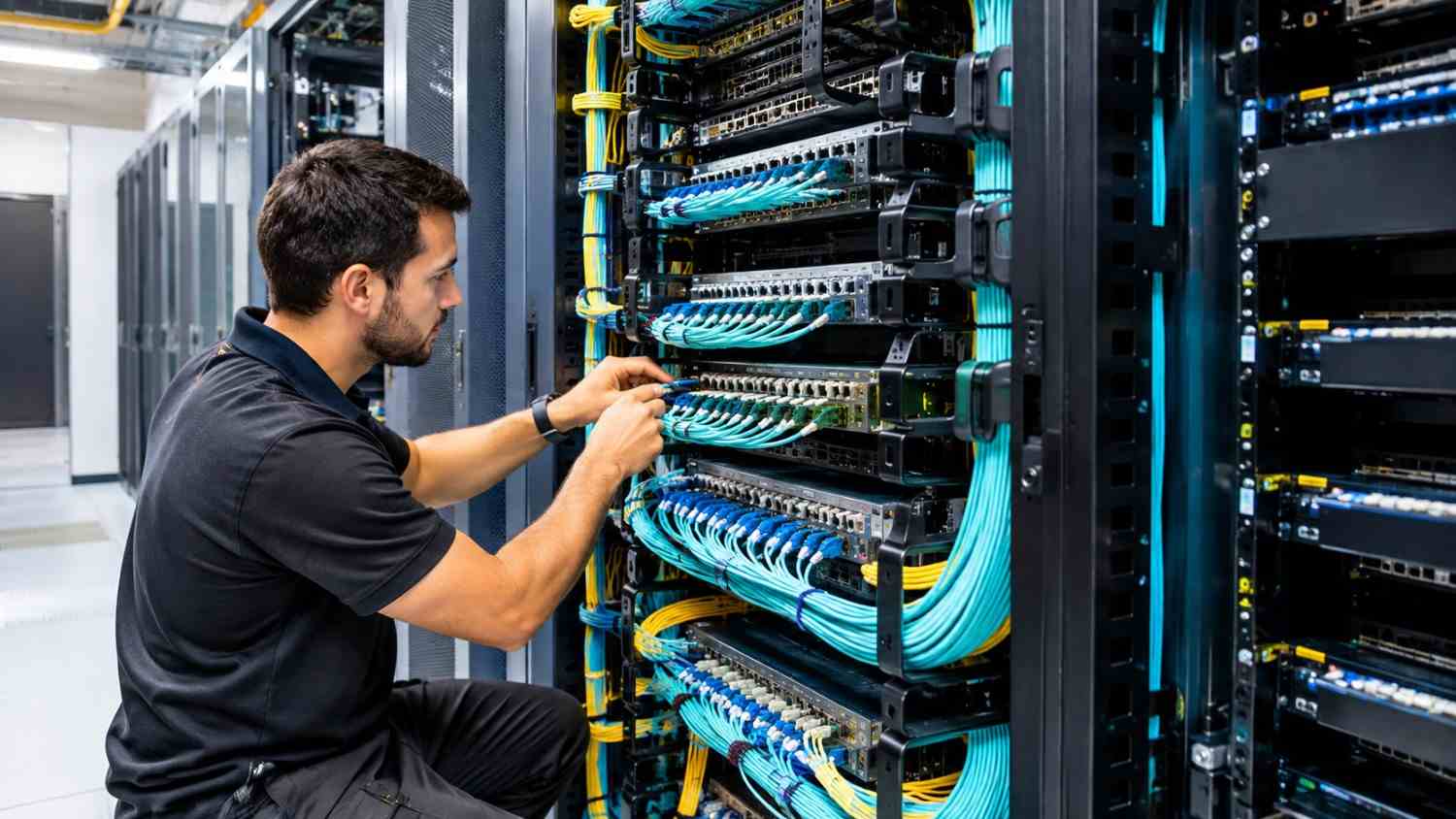
We shift that dynamic by prioritizing proactive reliability in our Fibre network design. Proactive maintenance is only possible when your physical layer is organized and accessible. If you cannot reach your cables, or if you cannot identify which connection goes where, you are forced to be reactive.
A professional Fibre network design includes intuitive cable management that allows your team to perform routine health checks in minutes. When you know your system is physically sound, you can focus your engineering talent on growth and innovation rather than emergency patching.
Solving the Hidden Killers of Fibre Network Design
We see the same mistakes repeated across the industry because many companies do not take their Fibre network design seriously. These mistakes are not just technical errors, they are massive threats to your business continuity. A professional Fibre network design must proactively address these three issues:
- Improper Bend Radius: When cables are jammed into trays that do not fit the Fibre network design, the glass inside gets microscopic fractures. These fractures degrade your signal until you lose the feed entirely.
- Thermal Pressure: High end hardware generates immense heat. If your Fibre network design does not account for thermal dissipation, your connectors will warp over time and destroy your signal integrity.
- Lack of Physical Management: A chaotic rack is a ticking time bomb. If your Fibre network design does not include clear labeling and logical cable paths, one wrong move by a technician will drop your entire production.
By choosing an expert Fibre network design, you eliminate the guesswork. You replace the constant worry of failure with the confidence of an engineered backbone that actually works.
How Fibre Systems Improves Your Fibre Network Design
Fibre Systems does not just sell parts. We sell a comprehensive strategy that improves your Fibre network design from the ground up. We know that in the Australian market, you need gear that can handle high humidity, intense heat, and high vibration environments. Our Fibre network design strategy is focused on providing a bulletproof physical layer that keeps your data moving.
| Feature of Fibre Network Design | The Budget Approach | The Fibre Systems Strategy |
| Cable Jacket Material | Standard PVC | Chemical resistant, rugged |
| Connector Precision | Mass manufactured | Hand polished and tested |
| Rack Organization | Disorganized tangle | Modular, labeled, efficient |
| Long term Reliability | High failure rate | Proven industrial endurance |
When we assist you with your Fibre network design, we start with a full audit of your current hardware. We look for the bottlenecks that are killing your signal before they become disasters. A smart Fibre network design takes into account where your business is going, not just where it has been.
Step-by-Step Implementation for Your Network Upgrade
If you are ready to stop wasting money, follow this path to upgrade your infrastructure:
- Conduct a deep audit: Identify which connections are currently failing or showing signs of latency within your existing setup.
- Set your future goals: Define where you want your bandwidth capacity to be in five years so we can build that scalability into your new architecture.
- Deploy rugged hardware: Use components specifically engineered to support reliable connectivity in harsh Australian conditions.
- Document the layout: A professional installation includes a clear, visual map of every connection so your staff never has to guess.
- Regular testing: Perform routine health checks to ensure your system remains within high-performance specs at all times.
Frequently Asked Questions
- Why does a professional infrastructure upgrade cost more upfront?
You are paying for the engineering that prevents downtime. A “budget” approach might look affordable on paper, but the cumulative costs of emergency repairs and failed broadcasts will cost you ten times that amount over the next two years.
- Can Fibre Systems fix my existing setup?
Yes, we specialize in repairing and upgrading poorly planned systems. We can integrate our rugged, industry-grade components into your existing layout to bring your connectivity up to the professional standards required for mission-critical work.
- How does my specific environment change the required approach?
An industrial site in the Outback faces vastly different physical threats compared to a climate-controlled studio in Sydney. We factor in local heat, humidity, and vibration hazards when engineering a layout that is built to survive your specific conditions.
- What is the biggest mistake made in modern network planning?
The biggest mistake is ignoring the quality of the connector and the physical cable. You can have the highest-end switchers on the market, but if your backbone relies on subpar glass, you will always be plagued by signal issues.
- Do I need to redo my whole infrastructure at once?
Not always. Fibre Systems can help you phase your upgrade so that you improve your signal paths in logical steps, ensuring your operations remain active and stable throughout the entire transition.
A Reliable Future Starts with Your Fibre Network Design
Your infrastructure should be as elite as the content you create and it is time to stop gambling with your uptime. Secure your signal and protect your production because building a backbone that actually stays on air is the only way forward. We are ready to help you optimize your Fibre network design today.
Request a custom quote for your next industrial project by contacting the Fibre Systems team. Our engineers are standing by to audit your studio or site and ensure your Fibre network design is built to last. Stop letting poor planning ruin your reputation and start building a future proof network that delivers every single time.
For more information on Australian cabling standards, visit the ACMA technical cabling rules.