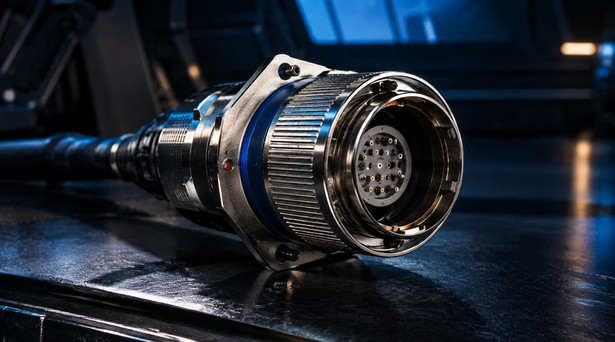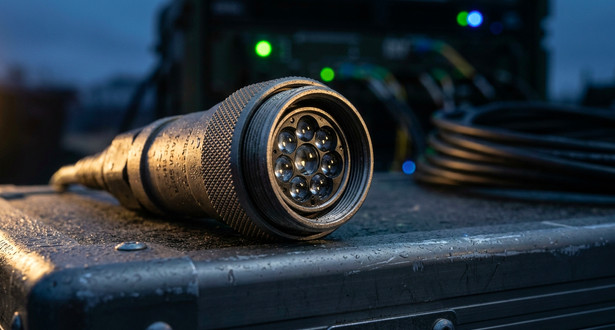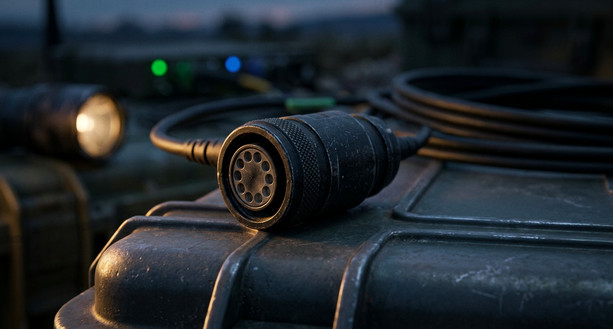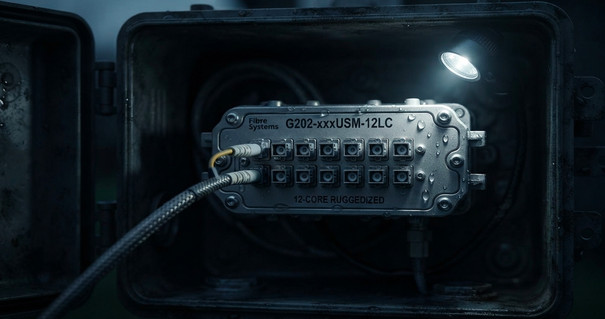
G202-xxxUSM-12LC stands as an indispensable engineering asset for professional telecommunications contractors and network architects who face the daunting challenge of preventing premature infrastructure failure in high capacity deployment environments. When optical networks experience heavy physical stress, environmental degradation, and micro-bending pressures, ordinary cabling solutions often buckle under the strain, resulting in costly network downtime and emergency maintenance dispatches.
At Fibre Systems, we recognize that true network longevity depends entirely on combining high core count scalability with robust physical protection layers that withstand the harshest field conditions. This comprehensive guide examines how the G202-xxxUSM-12LC transforms modern network deployments by eliminating structural vulnerabilities and ensuring uncompromising signal integrity across every single fiber strand.
The modern telecommunications landscape demands hardware choices that actively prevent infrastructure failure rather than simply reacting to environmental damage after it occurs, making advanced structural resilience a non-negotiable priority for modern builders. Integrating the G202-xxxUSM-12LC into your active distribution architecture bridges the gap between high bandwidth transmission demands and the unforgiving physical realities of outdoor plant and enterprise installations.
By deploying this specialized cabling, engineering teams secure a reliable physical layer that maintains optimal performance even when subjected to intense mechanical tension, severe temperature fluctuations, and continuous operational strain. Furthermore, utilizing high-performance components safeguards your capital investments, ensuring that long term network expansions proceed smoothly without unexpected bottlenecks or structural failures.
Understanding Infrastructure Vulnerabilities and Structural Risks
Telecommunications infrastructure is constantly exposed to a relentless barrage of environmental and mechanical threats that test the structural limits of every installed component. Underground conduit runs, aerial spans between utility poles, and congested enterprise riser shafts subject optical cables to crushing forces, vibrational fatigue, and severe tensile loads during and after installation.
When network components lack adequate structural resilience, microscopic fractures develop inside the glass core, leading to sudden signal attenuation, intermittent packet loss, and total link failure across the active transmission line.
The G202-xxxUSM-12LC is engineered from the ground up to counteract these pervasive failure mechanisms by providing superior mechanical reinforcement and stress dissipation across its entire length. Traditional multi-core cables often suffer from uneven internal pressure distribution, where tight bending radii or aggressive pulling tension causes internal optical fibers to pinch against one another, inducing permanent macro-bending losses.
By deploying the G202-xxxUSM-12LC into high-stress routing paths, installation crews can navigate complex architectural corners and narrow conduit bends with absolute confidence that the internal 12-core architecture remains fully protected against mechanical deformation. Network supervisors understand that preventing physical damage during the initial pull is only half the battle; the true test lies in how well the cable endures decades of thermal expansion, contraction, and shifting earth loads.
The G202-xxxUSM-12LC addresses this exact vulnerability by incorporating high tensile strength aramid yarns and a resilient outer sheath that absorbs external shock waves and vibrational energy before they reach the delicate optical core. Choosing ruggedized engineering means taking a proactive stance against premature aging, reducing lifecycle maintenance costs, and ensuring uninterrupted data transmission across your entire operational footprint.
The Engineering Behind Advanced Structural Resilience
Achieving high core capacity while maintaining exceptional structural resilience requires a sophisticated approach to material science and internal cable geometry. When twelve distinct optical fibers are housed within a single compact structure, managing internal friction, thermal expansion differences, and mechanical load sharing becomes a complex engineering balancing act. The G202-xxxUSM-12LC overcomes these physical hurdles through precision manufacturing techniques and advanced buffer tube designs that isolate individual fiber strands from external shocks.
- Absorbs high tensile pulling forces during complex long-span underground and aerial installations
- Eliminates internal fiber micro-bending and macro-bending losses through optimized core spacing
- Distributes external crushing loads evenly across a reinforced structural outer jacket
- Prevents core elongation and optical signal degradation under extreme mechanical stress
- Maintains dimensional stability and structural integrity across wide temperature variations
The integration of these protective engineering principles ensures that hardware like the G202-xxxUSM-12LC performs flawlessly under conditions that would cause standard commercial-grade cables to degrade rapidly. Field technicians frequently encounter unexpected resistance when pushing or pulling lines through crowded utility paths, and having rugged components provides the necessary mechanical toughness to push through difficult obstacles without risking internal damage.
Moreover, the 12-core scalability offered by the G202-xxxUSM-12LC allows network operators to expand their bandwidth capacity exponentially without needing to install additional physical conduits or clear new raceway space. This dual advantage of unmatched physical toughness and high core density makes advanced multi-core architecture a cornerstone component for future-proof telecommunications engineering. By prioritizing structural resilience at the physical layer, organizations protect their revenue streams and eliminate the operational friction associated with frequent line replacements and emergency fault repairs.
Environmental Stressors and Long Term Durability
Outdoor and industrial plant installations expose network hardware to extreme weather cycles, including torrential rain, freezing winters, scorching summer heatwaves, and relentless ultraviolet radiation. Standard polymeric jacket materials often become brittle, crack, and fail when subjected to prolonged UV exposure and extreme thermal expansion and contraction cycles. The G202-xxxUSM-12LC features a specially formulated, weather-resistant outer sheath designed to repel moisture, resist chemical corrosion, and withstand direct sunlight without losing its mechanical flexibility.
- Resists ultraviolet degradation and ozone cracking during prolonged outdoor exposure
- Blocks moisture ingress and water absorption in damp underground splice vaults and manholes
- Withstands extreme seasonal temperature swings without hardening or structural splitting
- Provides robust chemical resistance against industrial pollutants and soil contaminants
- Retains core flexibility and tensile strength over decades of continuous field deployment
Investing in the durability of the G202-xxxUSM-12LC directly translates to lower total cost of ownership and significantly reduced emergency repair expenditures over the lifespan of the network. When environmental stressors are successfully neutralized at the cable boundary, network operators can focus on expanding services rather than constantly putting out fires caused by degraded infrastructure.
The G202-xxxUSM-12LC ensures that your outdoor and indoor plant assets remain completely impervious to moisture, heat, and physical weathering, establishing a new gold standard for rugged reliability. Choosing robust outdoor plant solutions is a definitive statement that your infrastructure is built to endure the most punishing environmental conditions without blinking.
Industry Compliance and Safety Regulations
Adhering strictly to recognized industry standards is an absolute prerequisite for any professional telecommunications deployment. Regulatory bodies enforce rigorous safety benchmarks covering flame retardancy, low smoke emission, toxic fume suppression, and structural load-bearing limits to protect both workers and the public. Bypassing these mandatory standards can result in severe financial penalties, catastrophic failed inspections, and immense legal liability in the event of an infrastructure failure or building fire.
Following official ACMA wiring guidelines ensures that every single deployment meets strict national safety frameworks, maintaining proper electrical isolation and optical purity across the distribution architecture. Compliant installations prevent dangerous grounding loops and safeguard field technicians from unforeseen electrical and mechanical hazards while working inside active enclosures.
The manufacturing and quality assurance protocols behind the G202-xxxUSM-12LC align perfectly with international quality standards and local safety mandates. Every production lot undergoes rigorous mechanical, thermal, and optical testing to verify that fire safety ratings and tensile performance metrics consistently meet or exceed commercial specifications. Project managers who mandate certified hardware eliminate administrative roadblocks and ensure frictionless sign-off cycles with municipal inspectors.
Utilizing certified solutions demonstrates an uncompromising commitment to professional engineering excellence, safety compliance, and long-term network reliability. When regulatory compliance matches superior hardware quality, your network builds achieve flawless operational clearance and enduring market trust.
Comprehensive Step by Step Installation Best Practices
Executing a flawless network deployment requires disciplined adherence to established installation protocols, careful pre-planning, and precise handling techniques on site. Follow these recommended step by step guidelines to ensure optimal performance when deploying your hardware.
- Inspect the shipping spool and outer protective packaging thoroughly for any signs of transit damage before initiating pulling operations.
- Guide the G202-xxxUSM-12LC smoothly through designated conduit paths, ensuring pulling tension never exceeds manufacturer specified limits.
- Maintain recommended minimum bend radii at all times when routing inside cabinets to prevent macro-bending and signal attenuation.
- Leave generous service loops at both termination points to accommodate future re-routing, maintenance, or equipment relocations effortlessly.
- Secure all cable runs using approved padded clamps or hook-and-loop fasteners that distribute holding pressure evenly without pinching.
- Conduct comprehensive optical time domain reflectometer testing across every channel to verify baseline signal integrity.
Adopting a standardized, disciplined installation methodology eliminates human error and guarantees peak operational stability from day one. Proper handling rewards technicians with exceptional longevity, consistent signal retention, and zero post-installation callbacks. Professional installation practices combined with high-performance hardware create an unshakeable foundation for modern telecommunications networks.
Frequently Asked Questions
How does the G202-xxxUSM-12LC prevent infrastructure failure?
The G202-xxxUSM-12LC prevents failure by combining high tensile strength aramid reinforcement, crush-resistant outer jacketing, and advanced buffer protection to shield internal fibers from mechanical and environmental stress.
Is the G202-xxxUSM-12LC suitable for harsh outdoor environments?
Yes, the G202-xxxUSM-12LC features weather-resistant, UV-stabilized jacketing designed to withstand extreme temperature fluctuations, moisture ingress, and direct sunlight exposure.
What makes the 12-core scalability of the G202-xxxUSM-12LC advantageous for growing networks?
The 12-core design allows network operators to maximize bandwidth capacity and accommodate future subscriber expansions within a single compact physical footprint.
Does installing the G202-xxxUSM-12LC require specialized tools?
No specialized tools are required; the G202-xxxUSM-12LC integrates smoothly with standard cable strippers, cleavers, and fusion splicers used by professional technicians.
Secure Unyielding Structural Resilience For Your Infrastructure Builds
Choosing the right hardware defines the ultimate success, scalability, and structural resilience of any telecommunications build. Bringing high core capacity, rugged physical protection, and effortless installation together transforms how your team manages complex infrastructural challenges. Ready to elevate your next network deployment?
Explore our full product catalog to find complementary hardware built specifically for professional engineers and contractors. Reach out to our expert team today via our contact page to discuss your specific project requirements, request technical datasheets, and secure custom quotes for your upcoming builds. Investing in quality infrastructure today secures your network performance and prevents costly failures for tomorrow.