Communication systems that function without hesitation, even in the most challenging conditions, are essential to modern defence operations. Data must flow securely, swiftly, and dependably, whether it is connecting units in the field, mobile command centres, or permanent military bases. Defence optical fibre systems are a mission-critical capability in these circumstances, not merely a technical option.
Defence-grade optical fibre cable is crucial in this situation. Military fibre systems, in contrast to commercial solutions, are made to function well under duress, withstand difficult circumstances, and carry on when failure is just not an option.
What, then, qualifies a fibre-optic system as military-grade? Speed and bandwidth are not the only factors. It involves adhering to stringent defence regulations, utilising materials designed specifically for the purpose, and providing demonstrated performance in actual operational settings. Defence procurement officers, contractors, and system integrators who require a clear, practical understanding of the distinctions between military fibre systems and commercial alternatives, and of their significance in tactical and defence scenarios, are the target audience for this guide.
Knowing What “Military-Grade” Actually Means
Although the term military-grade is frequently used informally, it has precise meanings in defence interaction. A military-grade fibre-optic system is more than just commercial fibre that has been strengthened. It is a defence cable solution specifically designed to meet official military requirements, endure harsh conditions, and continue to function under constant strain.
Military Fibre Optics Standards and Certifications
Acknowledged defence standards form the basis of military-grade fibre design. The performance requirements for cables, connectors, and assemblies under extreme temperatures, shock, vibration, tensile stress, moisture, and prolonged environmental exposure are outlined in MIL-STD fibre optic specifications.
Compliance with the US Department of Defence or allied military standards is required in many defence programs. A DoD-approved fibre cable or connector is validated through simulated and real-world operational scenarios in addition to controlled laboratory tests. This level of certification ensures that defence optical fibre systems operate reliably and consistently throughout their useful lives.
Why Commercial Fibre Is Insufficient for Military Applications
Commercial fibre-optic systems are designed for controlled and predictable environments such as data centres, enterprise networks, and telecommunications. Despite their high bandwidth, they are not made to withstand frequent handling, quick deployment, exposure to sand, dust, salt fog, moisture, or mechanical abuse.
More is required in military settings. Advanced strain relief, reinforced jackets, and materials chosen for chemical, UV, and abrasion resistance are all features of rugged fibre optic cable used in defence applications. These features are necessary design requirements for tactical connectivity; they are not optional enhancements.
Defence Optical Fibre System Design Requirements
A single element never defines a true defence optical fibre solution. The way cables, connectors, and deployment hardware function as a cohesive system is what determines reliability.
Sturdy Fibre Optic Cable Design
The core of any defence optical fibre system is the cable itself. Multi-layer jackets, aramid yarn strength members, and crush-resistant structures that preserve flexibility while protecting the fibre core are common features of military cable designs.
Repeated bending, dragging over uneven ground, vehicle movement, and exposure to fuels, oils, and cleaning agents are all challenges that a durable fibre optic cable must endure. Defence cable, in contrast to regular indoor fibre, is frequently appropriate for both temporary tactical deployment and semi-permanent installations, enabling it to change as operational requirements do.
Performance Under Shock and Vibration
Military platforms such as vehicles, aircraft, ships, and mobile command units expose communication systems to constant shock and vibration. Fibre-optic systems used in these environments must keep stable signal performance, even under continuous mechanical stress.
Defence-rated cables and connectors undergo testing specifically for shock and vibration resistance. These tests help ensure that optical loss remains steady and that connections do not loosen or degrade over time. For system integrators, this means fewer failures, less maintenance, and more confidence during critical missions.
Immunity to EMI and RFI
One key advantage of fibre optics in defence networks is its natural immunity to electromagnetic and radio-frequency interference. This immunity is vital in environments filled with radar systems, electronic warfare equipment, and high-power transmitters.
Unlike copper military cables, fibre does not emit electromagnetic signals and cannot be intercepted using standard methods. This makes defence optical fiber systems a trusted medium for secure, interference-free communications.
Tactical Fibre Optic Connectors and Interconnect Solutions
Cables alone do not define system performance. In tactical and field environments, connector technology is equally important.
Expanded Beam Versus Standard Connectors
One significant distinction in military fibre systems is between physical contact connectors and expanded beam fibre technology. Standard connectors depend on precise fibre-to-fibre contact, which can easily be affected by dust, dirt, or slight misalignment.
Expanded beam connectors use optical lenses to expand and collimate light before transmission. This design greatly improves tolerance to contamination and mechanical wear. In harsh conditions, expanded beam fibre provides reliable performance with minimal cleaning, making it ideal for tactical and mobile defence use.
Rugged Fibre Optic Connectors for Field Use
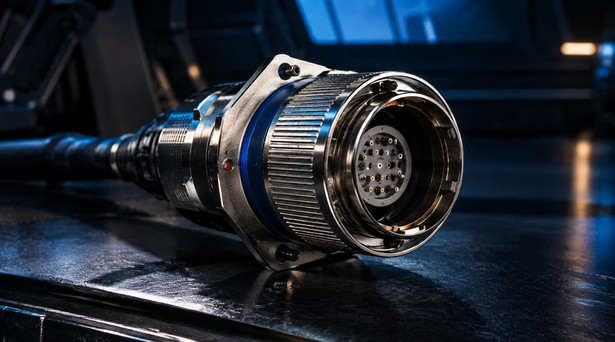
Rugged fibre optic connectors are built for repeated mating and unmating in difficult conditions. Their housings are usually made from metal or reinforced composite materials to withstand impact, corrosion, and extreme temperatures.
In real defence operations, connectors must also be practical. They need to be operable with gloves, easy to align in low light, and tough enough to handle rough usage. These ergonomic factors set military connectors apart from commercial designs.
Hermaphroditic Fibre Connectors in Tactical Systems
Many defence systems utilise hermaphroditic fibre connectors, which can connect with similar connectors instead of needing male and female ends. This setup simplifies logistics, reduces spare part needs, and speeds up deployment in the field.
For defence procurement teams, this approach can lower lifecycle costs and enhance operational readiness, especially in fast-moving or unpredictable mission scenarios.
Field Deployable Fibre Optic Systems in Defence Operations
Modern military missions require communication systems that can be deployed quickly, reconfigured easily, and redeployed without delays. Fibre optics has evolved to meet these needs through integrated field-deployable solutions.
Tactical Cable Reels and Rapid Deployment
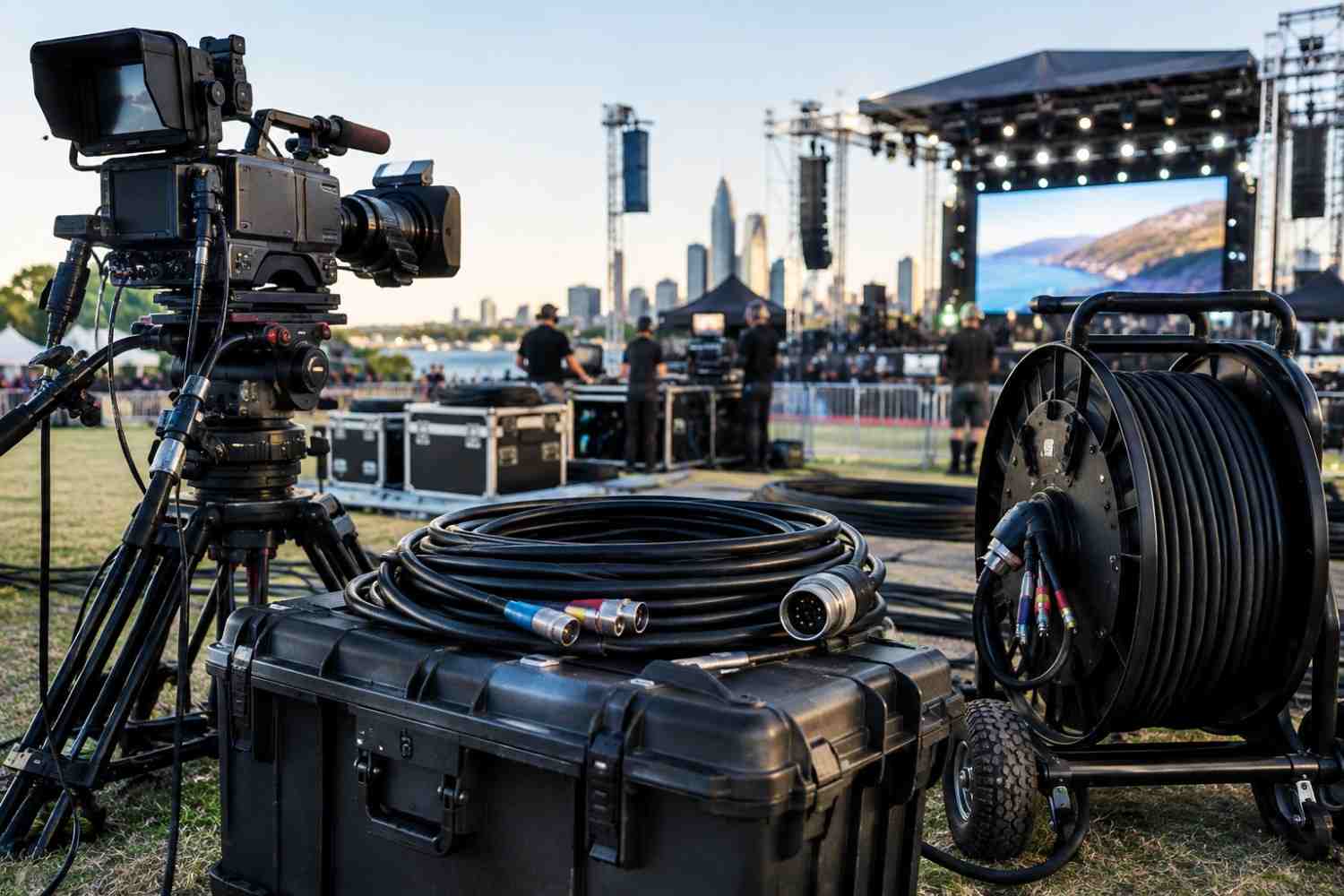
Tactical cable reels are a key part of many defence optical fibre systems. They protect fibre during transport and allow controlled deployment over long distances. These reels are designed to prevent twisting, kinking, and over-tensioning, even during rapid setup. In operational situations, the capability to deploy fibre quickly can significantly impact mission success. Tactical reels enable fast deployment without compromising cable quality or performance.
Complete Field Deployable Fibre Systems
A field-deployable fibre optic system combines robust cable, military-grade connectors, and deployment hardware into one tested solution. These systems are often pre-terminated and factory-tested, cutting down the need for specialised tools or fibre expertise in the field. For system integrators, field-deployable systems ease installation and lower risk. For defence users, they guarantee that communications will be accessible whenever and wherever needed.
Compliance, Procurement, and Lifecycle Considerations
Choosing fibre-optic solutions for defence involves more than just technical aspects. It also requires careful procurement, compliance checks, and long-term lifecycle planning.
Defence Procurement and Compliance
Defence procurement officers must ensure that every cable and connector meets contractual and regulatory standards. Compliance with MIL-STD and allied defence standards is often reviewed, making documentation and traceability critical. Working with suppliers experienced in military cable design and testing reduces procurement risks and ensures compatibility with existing defence systems.
Durability and Long-Term Maintenance
Military systems need to work reliably for many years, even in tougher environments than civilian networks. Rugged fibre optic cables and connectors are designed for longevity, reducing maintenance needs and replacement frequency. Expanded beam technology also boosts durability by minimising wear on connector end faces, lowering the total cost of ownership over the system’s life.
Interoperability and System Integration
Defence networks must work with allied systems, older platforms, and future technologies. Standard military connectors and cables support this interoperability while maintaining compliance and performance. For system integrators, using defence-approved components simplifies integration and ensures networks can adapt as mission needs evolve.
Why Rugged and Expanded Solutions Matter in Defence Operations
In civilian networks, downtime is a hassle. In defence operations, it can be devastating. That is why defence optical fibre systems focus on sturdy construction and reliable connector technology.
Reliability in Harsh Environments
From desert heat to arctic cold, military communications must remain operational. Rugged fibre optic cables and connectors are made to perform reliably in extreme conditions, ensuring a steady data flow even in hostile environments.
Security and Signal Integrity
Fibre optics naturally supports secure communications, and military-grade implementations enhance this benefit. EMI and RFI immunity protects against electronic threats while strong construction lowers the risk of accidental or intentional damage. Expanded beam connectors further improve signal integrity by maintaining stable performance, even in the presence of dirt or moisture.
Mission Readiness and Flexibility
Ultimately, military-grade fibre optics supports mission readiness. Field-deployable fibre systems, tactical cable reels, and hermaphroditic connectors let forces set up communications quickly and adjust as operations change. This flexibility defines modern defence connectivity and explains why fibre continues to replace older copper systems in military settings.
Conclusion: Defining Military-Grade Fibre Optics
So, what is military-grade fibre optic cable? It is a carefully engineered solution that meets strict standards, has a rugged mechanical design, features reliable connector technologies, and performs well under extreme conditions. Defence optical fibre systems are characterised not by individual components, but by how military cable, rugged fibre, expanded beam connectors, and deployment hardware work together as a reliable, integrated system.
For defence procurement officers, contractors, and system integrators, understanding these differences is crucial. Choosing the right defence cable and connector technology ensures secure, reliable communications that support mission success now and in the future. If you are looking into or specifying defence optical fibre solutions for fixed installations, tactical deployments, or field operations, our team is ready to help. Contact us to discuss compliant, military-grade fibre optic systems tailored to your specific operational and environmental needs.
FAQs
1. What is military-grade fibre optic cable?
Military-grade fibre optic cable is designed for defence and tactical use. It meets military standards and is built to perform reliably under harsh conditions, such as shock, vibration, extreme temperatures, and environmental exposure.
2. How do defence optical fibre systems differ from commercial fibre networks?
Defence optical fibre systems are built for tough field conditions and repeated deployment. They use rugged cables and connectors for durability, unlike commercial fibre networks that are made for controlled indoor environments.
3. Why are expanded beam connectors used in military fibre systems?
Expanded beam connectors handle dirt, dust, and moisture much better than standard connectors. This makes them more reliable and easier to maintain in demanding field environments.
4. What standards apply to military and defence fibre optic systems?
Military fibre systems are designed to meet MIL-STD and, in some cases, DoD-approved requirements. These standards ensure reliable performance under environmental and mechanical stress.
5. Are fibre optic systems suitable for EMI and RFI sensitive defence environments?
Yes. Fibre optics is naturally immune to EMI and RFI, making it ideal for defence environments with radar, electronic warfare systems, and high-power transmitters.