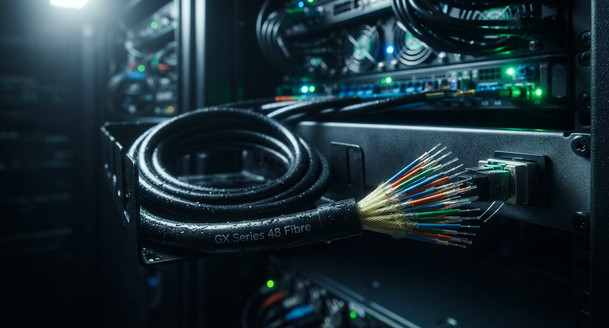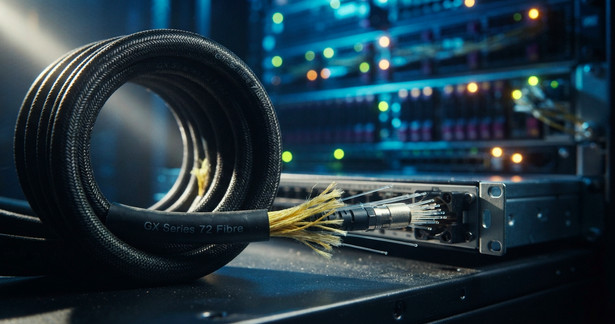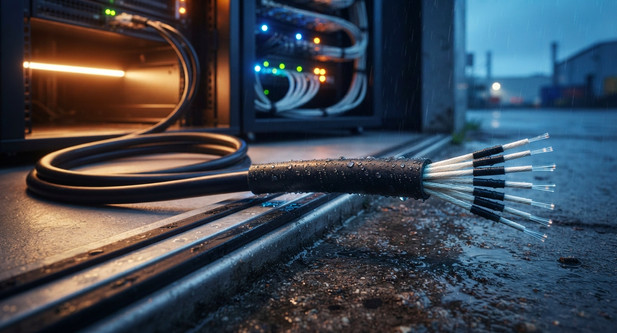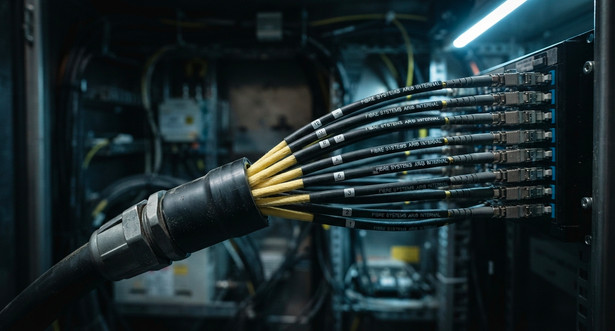
Breakout Cable ARIB Internal deployment demands uncompromising reliability, especially when standard infrastructure falls short under extreme environmental pressure. Every engineer knows the sinking feeling of watching a vital link drop because the cabling could not handle the physical stress of a high vibration environment. When network reliability collapses, entire operations grind to a halt, wasting precious time and resources on emergency troubleshooting. That is why Fibre Systems designs specialized connectivity architectures built to endure the harshest conditions imaginable without breaking a sweat.
Operating in remote Australian locations means facing dust, moisture, and mechanical strain that destroys conventional hardware within months. Deploying a proper solution eliminates these vulnerabilities by offering superior mechanical protection and optical integrity for high density routing. Without reliable infrastructure, your facility risks continuous maintenance cycles and unpredictable performance degradation. This guide explores how deploying robust configurations secures your physical layer against premature failure.
Understanding the Engineering Principles Behind Breakout Cable ARIB Internal Performance
Network architects often underestimate the physical toll that tight spaces and constant movement take on internal data pathways. Every Breakout Cable ARIB Internal design feature individual sub cables reinforced with aramid yarn and protective jacketing to safeguard fragile optical fibers. When you install Breakout Cable ARIB Internal assemblies, you isolate individual fibers from tensile stress during pulling and routing phases. This structural independence ensures that your Breakout Cable ARIB Internal pathways maintain low insertion loss even when bent around tight rack corners.
Standard cables often suffer from microbending and macrobending issues when crammed into crowded telecommunications enclosures or server racks. Quality Breakout Cable ARIB Internal engineering solves this problem by providing dedicated internal buffering that absorbs physical shock and vibration. Technicians working in heavy industrial settings rely on Breakout Cable ARIB Internal technology because it simplifies termination without requiring complex breakout kits. Every meter of Breakout Cable ARIB Internal material undergoes rigorous factory testing to guarantee long-term signal stability across high-bandwidth networks.
Analyzing Environmental Stresses Impacting Field Infrastructure Stability
Extreme temperatures and moisture ingress present constant threats to delicate optical transmission lines deployed across remote industrial zones. A standard commercial cable degrades rapidly when exposed to fluctuating thermal gradients and corrosive atmospheric elements found outdoors. Utilizing a robust Breakout Cable ARIB Internal manufacturing method guarantees outer shielding designed to repel chemical agents and moisture effectively. Field engineers choose this technology because it prevents micro-cracks from forming under prolonged thermal expansion cycles. Protecting your physical layer with specialized architecture ensures uninterrupted data flow despite severe weather shifts.
Overcoming Physical Constraints in High Density Routing Environments
Space limitations inside modern telecommunications cabinets force technicians to route numerous optical pathways through exceptionally tight enclosures. Forcing conventional cables into congested pathways often induces severe macrobending losses that compromise overall system throughput. Implementing a strategic Breakout Cable ARIB Internal routing approach allows maintenance teams to bypass bulky transition boxes while preserving bend radius integrity. Each sub-unit within this configuration operates independently, safeguarding individual strands from external compression forces. This layout maximizes cabinet capacity without sacrificing the physical durability required for demanding operational environments.
Evaluating Infrastructure Realities Through a Breakout Cable ARIB Internal Comparison
Choosing the right cabling architecture requires a clear understanding of how different designs perform under pressure. The table below outlines key operational differences to help you select the optimal configuration for your facility.
| Performance Metric | Standard Loose Tube Cabling | Traditional Tight Buffered Cable | Breakout Cable ARIB Internal Solution |
| Tensile Strength Rating | Low to Moderate | Moderate | Extremely High due to Individual Sub-Cables |
| Termination Complexity | Requires Splice Trays and Fan-out Kits | Moderate Direct Termination | Direct Connectorization Without Extra Kits |
| Crush Resistance | Vulnerable to Direct Heavy Pressure | Adequate for Standard Indoor Use | Superior Protection via Reinforced Jackets |
| Space Efficiency | High Density in Ducts | Moderate in Enclosures | Optimized for Direct Equipment Patching |
Reviewing this data proves that a structured system offers unmatched physical resilience for mission-critical setups. While other options might save space initially, a solid build eliminates the need for clumsy transition hardware. Maintenance teams appreciate how an upgraded layout reduces human error during re-patching and routine inspections. Investing in quality components protects your long-term capital expenditure from repeated replacement cycles.
Step-by-Step Installation Guide for Breakout Cable ARIB Internal Deployments
Proper installation practices dictate whether your optical network thrives or fails during its first year of operation. Follow this structured methodology to ensure your Breakout Cable ARIB Internal implementation meets the highest industry standards.
- Pre-Installation Site Survey and Path Planning
Inspect the entire routing path to identify sharp bends, heat sources, and potential pinch points before laying any cable. Map out where your Breakout Cable ARIB Internal runs will enter enclosures to maintain proper bend radius control. - Managing Pulling Tension and Mechanical Limits
Attach appropriate pulling grips directly to the strength members of the Breakout Cable ARIB Internal assembly rather than the outer jacket. Monitor tension meters closely to ensure you never exceed the manufacturer’s specified maximum pulling load during placement. - Securing and Routing Within Enclosures
Anchor each sub-cable securely using appropriate cable ties and management rings designed for high-density fibre environments. Ensure that every Breakout Cable ARIB Internal leg has enough slack to prevent strain on connector ferrules. - Cleaning and Precision Termination
Strip the individual sub-units carefully using calibrated tools to expose the 900-micron buffered fibre without nicking the cladding. Clean all connector end-faces thoroughly before mating them to patch panels or active hardware ports.
Compliance with Australian regulatory frameworks is non-negotiable for any professional telecommunications deployment. Technicians must align their installation practices with guidelines established by regulatory bodies such as the ACMA to ensure safety and legal compliance. Following these official wiring standards guarantees that your Breakout Cable ARIB Internal network operates safely alongside other building utilities.
Preventing Common Field Maintenance Pitfalls in Industrial Networks
Neglecting routine physical layer inspections often leads to catastrophic network downtime and costly emergency contractor dispatches. Technicians must monitor connection points regularly to identify early signs of physical wear or jacket degradation. Adopting a proactive maintenance schedule for your Breakout Cable ARIB Internal infrastructure ensures minor issues are resolved before escalating. Well-maintained Breakout Cable ARIB Internal pathways sustain peak operational efficiency throughout decades of continuous service. Training personnel to handle Breakout Cable ARIB Internal connections correctly safeguards your long-term network availability.
Frequently Asked Questions About Breakout Cable ARIB Internal Systems
What makes a Breakout Cable ARIB Internal different from standard patch cords?
A standard Breakout Cable ARIB Internal assembly features ruggedized individual sub-cables with independent strength members, allowing them to withstand severe environmental stress and direct connectorization. This design provides industrial-grade protection that typical office-grade patch cords simply cannot match in harsh settings.
Can a Breakout Cable ARIB Internal cable be routed through high-vibration areas?
Yes, every Breakout Cable ARIB Internal structure is specifically engineered to absorb mechanical shock and continuous vibration without inducing microbending losses. Their robust construction ensures steady data transmission even when installed near heavy industrial machinery.
How does a Breakout Cable ARIB Internal simplification reduce labour costs?
Because each sub-cable in a Breakout Cable ARIB Internal setup contains its own aramid yarn reinforcement and jacket, technicians can terminate connectors directly onto the fibre. This eliminates the time-consuming step of installing separate fan-out kits or splice cassettes during deployment.
What precautions are necessary when pulling a Breakout Cable ARIB Internal through conduits?
Always ensure that pulling forces are applied exclusively to the central strength members and avoid exceeding the recommended bend radius limitations. Using approved pulling lubricants and swivel connectors will also protect your Breakout Cable ARIB Internal sheath from abrasion.
Summary of Key Takeaways for Breakout Cable ARIB Internal Networks
- Robust Protection: Every Breakout Cable ARIB Internal build features reinforced sub-cables that shield optical fibres from severe physical stress and environmental hazards.
- Streamlined Termination: Direct connectorization eliminates the need for clumsy breakout kits, reducing installation time and potential points of failure.
- Compliance and Safety: Aligning your Breakout Cable ARIB Internal deployment with established industry benchmarks ensures long-term operational stability and regulatory adherence.
Ready to upgrade your infrastructure with resilient optical solutions? Request a custom quote for your next industrial project by contacting the Fibre Systems team. You can also view the full range of Fibre Systems tactical solutions designed for demanding operational environments.