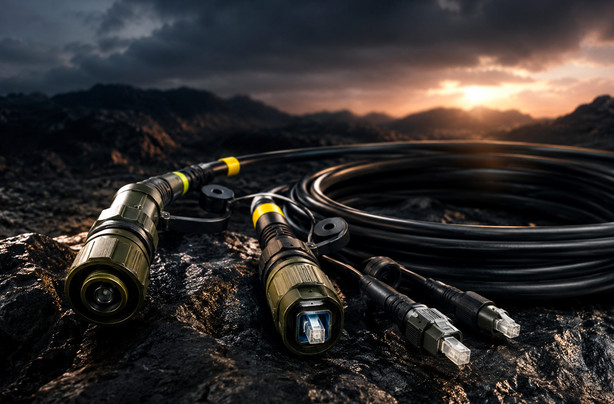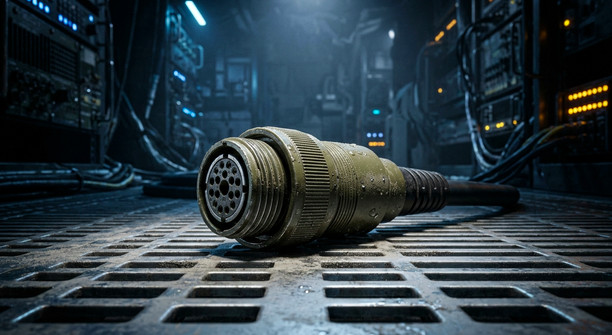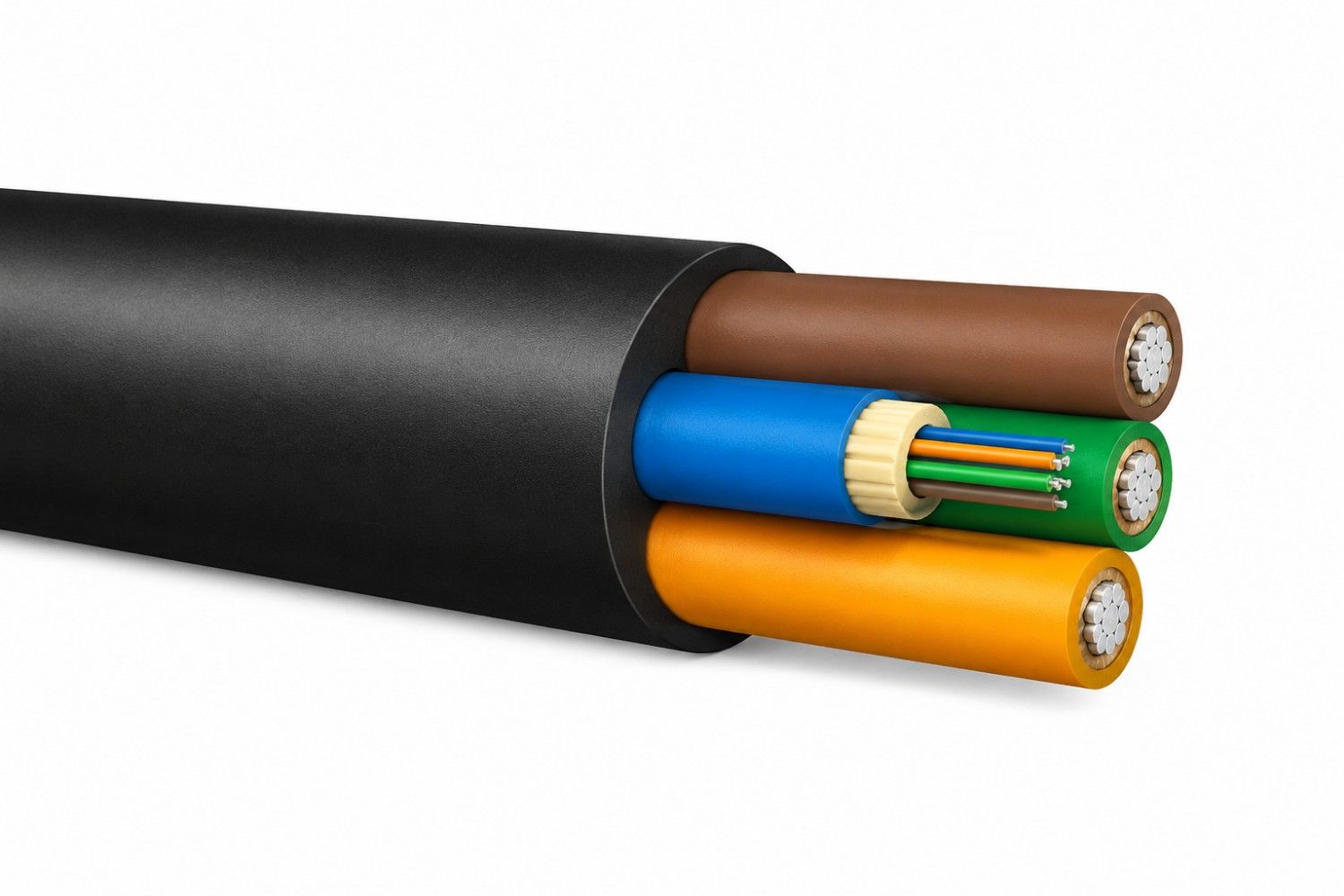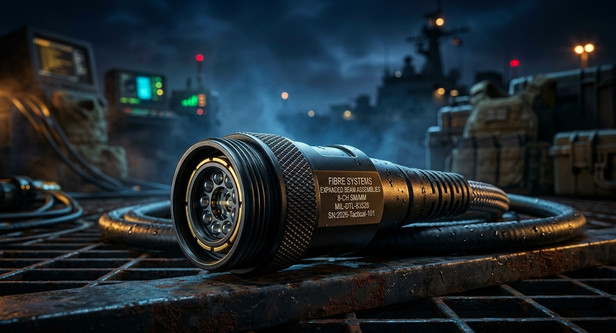
Expanded Beam Assemblies provided and designed by Fibre Systems deliver robust optical connectivity solutions engineered specifically for extreme field environments where traditional physical contact connectors suffer rapid failure. Modern defense units, mining operations, and heavy industrial sites rely heavily on high-bandwidth optical networks to transmit critical sensor telemetry, control signals, and real-time operational communications. However, when standard physical contact connectors are deployed in unconditioned field spaces, airborne dust particles, mud splatter, and environmental moisture collect on exposed ceramic ferrules.
A single microscopic grain of sand trapped between physical contact fiber ends can shatter delicate glass cores or cause massive optical signal attenuation. Deploying ruggedized Expanded Beam Assemblies overcomes these severe field vulnerabilities by utilizing precision ball lenses to expand light beams across sealed optical interfaces, eliminating direct glass contact and drastically reducing field maintenance requirements.
Why Physical Contact Connectors Fail Where Expanded Beam Assemblies Excel
Operating fiber optic networks in tactical field operations presents relentless physical challenges. Traditional physical contact connectors rely on tiny ceramic ferrules that press glass fiber ends directly against one another under spring tension. While this mechanism delivers minimal signal loss in pristine data center cabinets, it creates catastrophic vulnerabilities in dusty outback mine sites and mobile battlefield command posts.
When a technician unmates a standard physical contact connector in the field, fine airborne silica dust settles instantly onto the polished ferrule end-face. Re-mating the connector grinds these mineral particles into the glass, causing permanent surface scratching, severe insertion loss, and complete signal failure.
In contrast, advanced Expanded Beam Assemblies utilize expanded beam technology to transform concentrated light from a nine-micron fiber core into a collimated beam dozens of times larger. This widened light path passes through a sealed protective lens before returning to its original beam diameter upon entering the receiving lens. Because the light beam is vastly expanded at the mating interface, microscopic dust particles block only a fraction of the total light, allowing Expanded Beam Assemblies to maintain stable optical links in environments that would completely blind traditional connectors.
| PERFORMANCE CHARACTERISTIC | PHYSICAL CONTACT CONNECTORS | EXPANDED BEAM ASSEMBLIES |
| Sensitivity to Field Dust and Mud | Extreme; requires continuous cleaning | Low; expanded light beam bypasses dust |
| Physical Ferrule Wear and Scratching | High; direct glass contact grinds particles | Zero; non-contact optical lens design |
| Mating Cycle Durability Rating | Limited to five hundred matings | Exceeds thousands of reliable matings |
| Maintenance and Field Cleaning Need | Constant; requires specialized wipes | Minimal; easily rinsed with clean water |
| Resistance to Severe Kinetic Shock | Low; ferrule alignment shifts under shock | High; ruggedized lens housing stays aligned |
The Astronomical Hidden Costs of Constant Field Cleaning and Splicing
Maintaining traditional physical contact optical connectors in harsh industrial environments incurs massive ongoing operational costs that are often overlooked during initial network procurement. Field technicians working in remote mining pits or tactical defense camps spend countless labor hours inspecting, cleaning, and re-cleaning fouled connector ferrules using specialized solvents and lint-free wipes.
When improper cleaning techniques scratch the glass end-face, the entire cable assembly must be pulled from service for expensive fusion splicing or factory repolishing. In middle-of-the-night emergency scenarios, waiting for certified fiber technicians to arrive at remote sites leads to prolonged operational blackouts and lost productivity.
By upgrading to heavy-duty Expanded Beam Assemblies, fleet managers and network engineers virtually eliminate continuous cleaning routines and expensive field splicing interventions. Because the optical interface is fully sealed behind anti-reflective glass lenses, operators can simply wipe away surface mud or rinse the connector face with clean water before re-mating, restoring full optical continuity in seconds without specialized tools.
Internal Engineering: How Expanded Beam Assemblies Protect Optical Signal Integrity
To understand the physical survivability of Expanded Beam Assemblies, one must examine the internal optical and mechanical architecture housed inside these rugged interconnects. Unlike simple butt-joint connectors, expanded beam connectors integrate high-precision spherical ball lenses aligned down to sub-micron tolerances.
When laser light exits the optical fiber core inside Expanded Beam Assemblies, it enters a precision-aligned ball lens that expands and collimates the light beam across an expanded air gap. The expanded light beam travels through the protective outer glass window, across the connector interface, and enters a receiving ball lens that refocusses the expanded light back into the tiny receiving core.
Because the light beam area is enlarged by up to two thousand percent at the optical interface, tiny dust motes or film residues cover only a tiny fraction of the expanded beam area. Furthermore, because physical contact never occurs between glass fiber cores, mechanical wear, ferrule cracking, and surface scratching are completely eliminated. This non-contact optical design allows Expanded Beam Assemblies to deliver thousands of successful mating cycles without degradation in optical performance.
Compliance and Regulatory Standards Governing Expanded Beam Assemblies
Deploying tactical communication infrastructure across Australian defense sites, mining operations, and commercial facilities requires strict compliance with established international quality and safety benchmarks. Tactical connectors must undergo rigorous environmental environmental testing to guarantee physical endurance under dynamic operational stress.
Military optical connectors frequently adhere to standards such as MIL-DTL-83526, which defines physical dimensions, mechanical endurance limits, and fluid resistance parameters for expanded beam field connectors. Connectors tested against these standards endure severe drop tests, high-vibration sweeps, and extended salt fog exposure without suffering housing corrosion or optical alignment shifts.
In Australian civil and commercial harbor projects, network hardware installations must also align with local regulatory frameworks. Complying with ACMA Cabling Provider Rules and Wiring Regulations ensures that all optical network installations maintain strict safety, proper grounding, and structural compatibility when interfacing with national infrastructure assets. Implementing fully certified Expanded Beam Assemblies guarantees seamless compliance with both military durability standards and national Australian telecommunications regulations.
Step-by-Step Field Guide: Operating and Cleaning Expanded Beam Assemblies
Although Expanded Beam Assemblies are built to endure heavy environmental contamination, following correct handling procedures ensures maximum long-term reliability and signal performance.
- Perform Initial Visual Surface Check: Inspect the outer protective window of Expanded Beam Assemblies for heavy mud buildup or large debris before mating.
- Execute Rapid Water Rinse Routine: If heavy dirt or grease is visible on the lens window, simply spray or rinse the connector face using clean water or isopropyl alcohol. Avoid using abrasive paper towels or unapproved cloths that could mar anti-reflective coatings.
- Blow Dry Lens Interface: Shake off excess water droplets or blow clean compressed air across the sealed glass lens to remove liquid pooling prior to mating.
- Align Keyway Guide Pins Carefully: Align the heavy-duty keyway slots on Expanded Beam Assemblies before pushing connector shells together. Proper keyway alignment prevents mechanical binding during rapid field coupling.
- Engage Heavy Duty Threaded Coupling Nut: Hand-tighten the outer knurled coupling nut until fully seated against the receptacle O-ring. A secure mechanical seal prevents moisture ingress into backshell cavities during submerged or wet operations.
- Secure Environmental Dust Caps Immediately Upon Unmating: Whenever Expanded Beam Assemblies are disconnected, immediately screw on protective aluminum dust caps to prevent physical impact damage to the outer lens shell during transport.
Overcoming Extreme Physical Hazards in Mining and Defense Operations
Remote Australian field operations expose communication hardware to physical hazards that destroy standard commercial fiber cabling within days. Understanding these environmental threats highlights why specifying Expanded Beam Assemblies is essential for mission success.
In open-pit mining operations, heavy haul trucks generate continuous low-frequency ground vibration that causes traditional spring-loaded connector ferrules to rub against each other, generating destructive fretting debris. In defense field exercises, high-power radio transmitters and vehicle alternators generate intense electromagnetic interference that corrupts copper cabling, leaving optical fiber as the only viable communications medium.
Furthermore, tropical humidity, monsoonal rain, and salt air create rapid oxidation on unsealed metal housings, while red outback sand penetrates standard connector locking rings. Deploying fully sealed Expanded Beam Assemblies provides total immunity against electromagnetic interference, extreme moisture ingress, and abrasive dust wear, ensuring rock-solid data backhaul under all weather conditions.
Enhancing Data Throughput for Autonomous Vehicles and Remote Sensing
The rapid transition toward autonomous mining fleets, uncrewed ground vehicles, and remote sensor networks demands absolute reliability from tactical optical infrastructure. Autonomous haulage systems rely on uninterrupted fiber data links to stream high-definition video, lidar mapping streams, and safety stop commands back to central control centers.
In these automated environments, even a brief millisecond signal drop caused by a contaminated connector can trigger emergency automated braking, bringing production to an expensive halt. Utilizing ruggedized Expanded Beam Assemblies across mobile field junctions ensures stable, uninterrupted optical bandwidth for high-capacity sensor networks.
The non-contact lens design inside Expanded Beam Assemblies withstands the violent kinetic shock and vibration produced by heavy tracked vehicles, ensuring that real-time navigation telemetry flows without interruption across every operational shift.
How to Choose the Ideal Expanded Beam Assemblies Configuration
Selecting the right connector configuration requires a clear assessment of your project’s physical environment, optical fiber count, and transport logistics. System design engineers should evaluate several key factors during product specification.
First, determine the required fiber channel density. Expanded Beam Assemblies are available in single-mode and multimode configurations ranging from two to twelve optical channels within a single ruggedized connector shell. Second, evaluate outer shell material options. Select hard-anodized aluminum shells for lightweight mobile tactical applications, or marine bronze and stainless steel housings for permanent subsea or salt spray environments.
Third, verify keying configurations to prevent cross-mating between different signal networks on complex field sites. Fourth, ensure backshell strain-relief clamps match the outer diameter and pulling rating of your tactical fiber cable harness.
Consulting with experienced optical interconnect specialists ensures that your chosen Expanded Beam Assemblies deliver optimal optical performance and physical durability across your operational footprint.
Real-World Case Study: Eliminating Field Signal Blackouts in Tactical Communications
A tactical defense unit operating in dusty outback conditions experienced recurring communications failures across its field command network. Standard physical contact optical connectors used to interlink tactical switchboards were failing within hours of deployment due to fine red dust coating ferrule end-faces. Technicians were spending over forty percent of their field setup time cleaning connectors, yet signal loss remained unacceptably high.
To resolve the operational crisis, the unit transitioned to custom tactical fiber harnesses terminated with heavy-duty Expanded Beam Assemblies. The new non-contact optical connectors allowed field teams to deploy communication lines rapidly across dusty terrain without stopping for meticulous cleaning routines.
Following the upgrade, field setup times were cut by more than half, and connector-related optical signal failures dropped to zero. The adoption of Expanded Beam Assemblies dramatically improved tactical readiness and eliminated the need to carry complex cleaning kits into forward operational areas.
Long-Term Preventive Maintenance Guidelines for Expanded Beam Assemblies
While Expanded Beam Assemblies require a fraction of the maintenance demanded by traditional physical contact connectors, simple preventive care maximizes operational service life.
Inspect rubber O-rings inside connector coupling nuts periodically to ensure seals remain flexible and free of cracks. Apply a thin layer of silicone lubricant to coupling threads and rubber seals to ensure smooth hand-tightening in freezing or scorching weather.
When storing Expanded Beam Assemblies for long periods, ensure protective dust caps are securely installed and cables are neatly wound on specialized tactical reels to prevent tight bends near backshell strain reliefs. Periodically check outer glass windows under magnification to verify that anti-reflective coatings remain free of heavy oil or chemical residues.
By adhering to these minimal care guidelines, technicians guarantee that Expanded Beam Assemblies deliver flawless optical continuity through thousands of demanding field deployments.
Frequently Asked Questions
What is the primary difference between physical contact connectors and Expanded Beam Assemblies?
Physical contact connectors press glass fiber ends directly together, making them extremely vulnerable to dust scratching and signal loss. Expanded Beam Assemblies use precision ball lenses to expand the light beam across a sealed air gap, eliminating physical glass contact and allowing light to pass through dust particles without losing signal integrity.
Can Expanded Beam Assemblies be cleaned with water in the field?
Yes, because the optical lenses inside Expanded Beam Assemblies are completely sealed behind protective glass windows, field technicians can simply rinse away mud, sand, or dirt using clean water or isopropyl alcohol without taking the connector apart or using specialized polishing tools.
Are Expanded Beam Assemblies compatible with single-mode and multimode fiber cables?
Expanded Beam Assemblies are precision-engineered to support both single-mode and multimode optical fibers across various channel counts, providing versatile high-bandwidth connectivity for tactical defense systems, broadcast networks, and industrial mining applications.
How many mating cycles can Expanded Beam Assemblies endure compared to standard connectors?
Standard physical contact connectors typically degrade after five hundred mating cycles due to physical ferrule wear. In contrast, heavy-duty Expanded Beam Assemblies routinely exceed thousands of successful mating cycles because their non-contact lens design eliminates physical friction between optical elements.
Do Expanded Beam Assemblies withstand severe vehicle vibration and shock?
Yes, Expanded Beam Assemblies feature heavy-duty metal shells, internal lens retention mechanisms, and robust threaded coupling nuts designed specifically to withstand severe mechanical shock, ground vibration, and drop impacts in extreme tactical environments.
Key Summary Points
- Non-Contact Optical Technology: Expanded Beam Assemblies expand laser light across a sealed gap, eliminating glass-on-glass friction, ferrule wear, and surface scratching.
- Immunity to Field Contamination: Expanded light beams pass easily through microscopic dust and moisture particles, maintaining stable signal continuity in dirty environments.
- Drastically Reduced Maintenance Costs: Eliminates the need for continuous field cleaning, specialized polishing solvents, and expensive emergency fusion splicing interventions.
- Ruggedized Construction: Built with heavy-duty metal housings and threaded coupling nuts that withstand kinetic shock, severe vibration, and harsh environmental fluids.
- Compliant with Standards: Satisfies military field standards like MIL-DTL-83526 while meeting Australian national ACMA wiring regulations for harbor and commercial integration.
Secure Your Tactical Optical Links with Advanced Expanded Beam Technology
Relying on fragile physical contact connectors in harsh field environments exposes your critical communications networks to continuous signal blackouts, expensive cleaning overhead, and permanent hardware damage. A single dusty connection point can disrupt vital telemetry, delay tactical deployments, and cost thousands in downtime. Investing in purpose-engineered Expanded Beam Assemblies ensures that your high-capacity optical links stay open through dust storms, monsoonal rain, and extreme physical shock.
At Fibre Systems, we design, assemble, and test battle-tested expanded beam interconnects and ruggedized tactical fiber solutions built specifically to endure Australia’s toughest environments. Explore our complete selection of tactical field connectors and optical hardware by visiting the Fibre Systems optical products catalog.
Ready to upgrade your field communications backbone or need expert guidance on custom military-grade connector specifications? Contact our specialized technical engineering team today through the Fibre Systems technical support team page to request a detailed quote or discuss your project requirements.