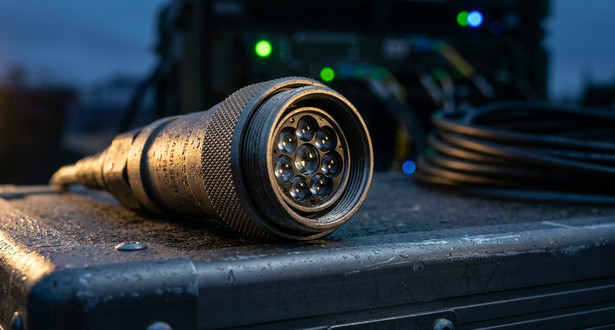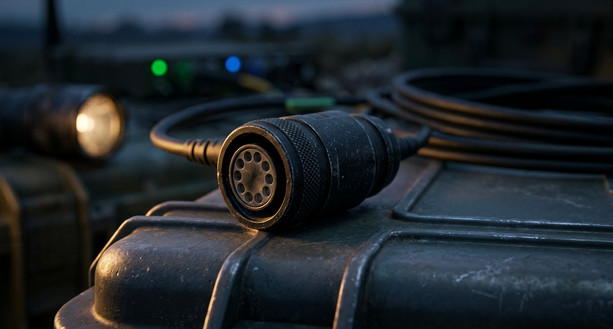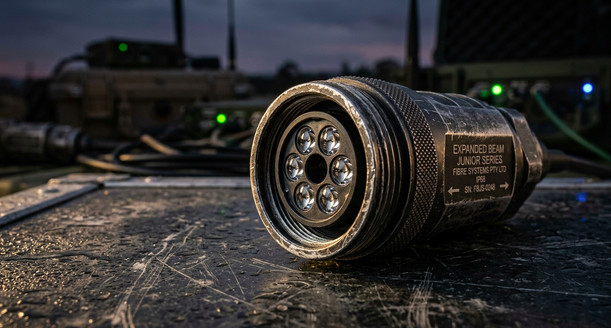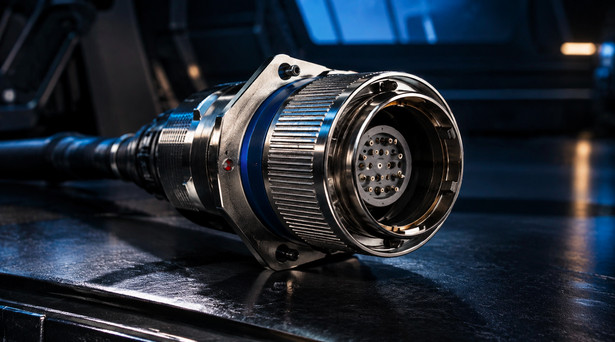
ARINC 801 solutions engineered by fibre systems deliver robust and precision optical connectivity designed specifically to maintain signal integrity in the most demanding aerospace environments. Modern aircraft architecture presents extreme physical challenges, including high amplitude engine vibration, rapid pressure differentials, and extreme thermal cycling across high altitude flight phases.
Traditional commercial fiber optic connectors fail quickly under these severe conditions, leading to catastrophic signal dropout nightmares and temporary data loss that disrupt critical flight management systems. Ensuring stable data flow across commercial and military aircraft requires ruggedized optical hardware that maintains constant alignment despite intense kinetic and thermal stress. These specialized optical terminals provide a reliable physical layer for modern avionics networks, radar navigation systems, and high speed data multiplexers operating in confined aircraft bays.
Utilizing ARINC 801 allows systems integrators to build resilient optical networks designed for continuous operation without the risk of physical disconnection or signal interruption caused by aerodynamic turbulence. Understanding how ARINC 801 maintains micron level alignment under extreme mechanical stress transforms how aviation communication reliability is achieved across every modern flight deck. Operating electronic hardware in high altitude settings means aerospace technicians face constant exposure to rapid temperature shifts while relying entirely on ARINC 801 to secure vital telemetry streams.
Furthermore, deploying aerospace grade fiber infrastructure guarantees that flight crews maintain uninterrupted situational awareness across dynamic flight profiles and challenging weather conditions. Comprehensive engineering assessments confirm that physical layer stability remains the single most important factor for modern flight safety, ensuring all digital data buses operate without interference. Modern avionics require absolute precision during every phase of flight, making high performance optical interconnects indispensable for mission success and aircraft survivability in hostile airspace theaters.
Understanding Why Extreme Thermal Cycling and Vibration Destroy Standard Avionics Optical Connections with ARINC 801
Commercial and military aircraft are continuously subject to intense mechanical energy and temperature swings that travel through airframes and avionics bays. Traditional optical connectors rely on loose tolerances that allow microscopic shifting when aircraft transition rapidly from freezing cruising altitudes to warm tarmac environments. This thermal expansion mismatch results in severe insertion loss spikes and intermittent signal dropouts that corrupt high speed avionics data transmission.
These aviation connectors neutralize these forces by utilizing precision 1.25mm ceramic termini housed within rugged circular connector shells designed to absorb mechanical shock and thermal stress. This specialized architecture guarantees constant and stable optical physical contact even when the surrounding aircraft experiences severe turbulence or hard landings. Avionics technicians working in maintenance hangars frequently report that standard commercial optical hardware requires constant re-seating and complex cleaning routines after every heavy flight cycle.
By choosing ARINC 801, aerospace prime contractors eliminate persistent maintenance bottlenecks and protect high bandwidth flight control links against environmental failure. Operating compact aircraft systems requires hardware that satisfies rigorous aerospace standards without compromising data speed or physical space density. Removing the thermal expansion gap fundamentally improves avionics physical layer stability, ensuring uninterrupted real time navigation, engine telemetry, and flight control communications across temporary test networks where these aviation connectors prove indispensable for mission safety.
Engineering teams must carefully evaluate these structural parameters during the preliminary design phase of any modern avionics upgrade initiative. Furthermore, rigorous thermal vacuum testing ensures that material degradation and coefficient discrepancies never compromise optical performance over extended operational lifespans.
The Problem of Severe Signal Dropout in High Speed Avionics Networks Addressed by ARINC 801
Kinetic forces and high frequency vibration are primary causes of optical failure on modern aircraft. When standard optical connectors encounter heavy vibration, internal ferrules can experience micro motion, allowing microscopic separation between mated optical faces. During this brief window, light is scattered instead of transmitted cleanly, creating an unbudgeted spike in insertion loss.
ARINC 801 prevents signal dropouts by integrating precision alignment sleeves and robust spring loading mechanisms that maintain constant physical engagement under extreme shock and vibration profiles. Engineers who specify these aviation connectors ensure that mechanical shock waves cannot compromise precise optical alignment or cause permanent end face damage during dynamic flight operations. Maintaining constant optical contact without risking connector wear transforms how aerospace technical teams manage complex flight data networks.
Every heavy duty aviation installation benefits from superior mechanical resilience that far exceeds commercial connector capabilities. Modern aircraft generate continuous structural vibration through turbofan engines and aerodynamic drag. These constant kinetic inputs are transmitted directly through cabling infrastructure to every optical connection. Preventing signal degradation requires specialized physical layer hardware featuring ARINC 801 that keeps active light paths perfectly aligned despite continuous flight movement. Furthermore, unpredictable G force loads from tactical maneuvers require connectors that absorb energy without sacrificing signal fidelity.
Tactical communication resilience directly determines mission effectiveness during prolonged deployment cycles in unforgiving aviation operational regions. Aircraft mission computers rely heavily on continuous, low latency optical data streams to coordinate defensive countermeasures, radar tracking, and weapons guidance systems without interruption.
Mitigating Contamination and Moisture Nightmares in Aircraft Equipment Bays Using these Aviation Connectors
Aerospace operations expose rugged physical cabling infrastructure to condensation, hydraulic fluid, and particulate contamination that quickly compromise delicate optical surfaces. Fine dust and moisture found in unpressurized avionics bays coat every exposed physical connector interface, leading to rapid degradation across temporary flight interfaces.
Standard connectors fail quickly in these humid conditions, causing sudden attenuation spikes and permanent structural degradation across rugged avionics networks. Understanding how ARINC 801 eliminates microscopic contamination allows system integrators to build resilient avionics physical layer networks designed for continuous operation despite chemical and moisture exposure. Compact aircraft gear must balance high port density with extreme ruggedness to ensure mission critical data flows without disruption. When maintenance crews deploy temporary diagnostic links, every connection must work instantly upon mating.
The rugged construction enabled by these aviation connectors allows high density panel mounting while providing maximum physical protection against airborne grit, condensation, and heavy mechanical strain inside cramped equipment bays where corrosive agents constantly threaten onboard electronics. Maintenance personnel benefit significantly from standardized termination techniques that minimize human error during urgent aircraft turnarounds. Environmental sealing standards must exceed standard commercial ratings to withstand aggressive cleaning solvents, deicing fluids, and high humidity tarmac conditions without failing.
Core Technical Architecture and Design Principles of ARINC 801 for High Reliability Flight Systems
Advanced optical engineering enables stable physical contact light transmission within the demanding environment of modern aircraft. ARINC 801 utilize precision 1.25mm zirconia ceramic ferrules to achieve micron level alignment necessary for efficient light transfer with minimal insertion loss. When these termini are mated under internal spring tension, they achieve robust physical contact that withstands aggressive kinetic forces without requiring expanded beam optics.
This intermediate physical contact design allows avionics networks to maintain stable signal paths where standard commercial connectors fail instantly. Technical specialists value the predictable optical loss budgets and excellent return loss characteristics achieved through ARINC 801 design. Understanding the mechanical physics behind high performance circular connectors explains why these aviation connectors remain the benchmark for harsh environment aerospace communications. In a standard single mode fiber, the light carrying core measures roughly nine micrometers across.
Achieving stable light transfer requires maintaining precise physical alignment between the transmitting and receiving cores under severe shock. By integrating rigid alignment sleeves and removable termini, ARINC 801 ensures that both fibers maintain physical contact across their polished end faces. This design guarantees that flight control networks maintain low attenuation even when deployed in severe engine compartments and high vibration environments where structural integrity is paramount. Rigorous aerospace testing protocols ensure that every deployed connector withstands extreme pressure differentials and high altitude thermal cycling. Furthermore, advanced shell polarization prevents accidental mis-mating during high stress maintenance operations in cramped avionics bays.
Physical Contact Optical Design Advantages Offered by ARINC 801 in Modern Aerospace Engineering
Legacy aircraft networks often rely on commercial optical connectors housed inside improvised rugged shells. These systems are prone to severe failure because the connector itself cannot absorb the intense shock and temperature profiles found on military and commercial jets. ARINC 801 removed this vulnerability completely by designing the actual optical interface to be a high performance physical contact system that maintains engagement despite mechanical strain. This architecture guarantees that optical glass surfaces remain in constant contact, preventing physical wear over thousands of operational cycles.
Maintenance crews can couple and decouple connectors in avionics racks without risking permanent end face destruction during servicing. Eliminating the momentary separation gap solves one of the biggest headaches encountered by flight line technicians. In legacy aircraft systems, every vibration event causes momentary insertion loss spikes that confuse advanced navigation processors and disrupt flight data feeds.
Because internal springs and alignment sleeves keep the physical contact maintained despite severe kinetic inputs, these aviation connectors experience minimal wear over their lifespan, leading to lower replacement costs and reliable field operation across all flight environments. Ground crews appreciate the simplified maintenance procedures that reduce aircraft downtime across busy commercial and military flight operations. Standardized tooling ensures technicians can assemble, inspect, and service multi-channel harnesses quickly and effectively anywhere in the world.
Regulatory Compliance and Industry Safety Standards for Avionics Deployments of ARINC 801
Adhering to recognized national and international technical standards ensures that aerospace optical installations meet strict safety, environmental, and performance mandates. Technical deployments must comply with rules set by governing bodies like the Australian Communications and Media Authority covering structured cabling and telecommunications practices on heavy industrial and aerospace installations. Using certified hardware guarantees that avionics networks satisfy all relevant safety, performance, and legal cabling requirements. ARINC 801 satisfy stringent mechanical endurance, environmental sealing, and optical safety requirements for mobile networks on commercial and military aircraft. Engineering teams gain complete peace of mind knowing deployed hardware meets official electrical and telecommunications standards for high reliability applications.
Navigating strict regulatory environments requires diligence from system designers and project managers. Regulatory bodies establish performance baselines to prevent system failures that could endanger personnel or interrupt vital flight operations. By specifying certified optical components, organizations eliminate compliance risks during technical audits and field inspections. Furthermore, meeting recognized cabling standards ensures seamless compatibility with existing communication systems and flight backbones across diverse global fleets.
Step by Step Installation Guide for ARINC 801 Inside Multi Channel Avionics Connectors
Following correct field installation routines ensures that specialized aerospace optical hardware delivers optimal performance under demanding conditions. Follow these steps during multi channel connector assembly and deployment.
- Inspect cable routes to ensure freedom from sharp metal bulkhead edges, high temperature engine components, or excessive pinch points.
- Carefully install ARINC 801 termini into the appropriate cavity of the multi channel circular connector shell using the specified insertion tool.
- Apply precise lubrication to environmental seals as recommended by manufacturer specifications for the specific operating environment.
- Wipe protective optical ferrule end faces gently using a clean lint free optical swab or wipe prior to connector mating.
- Align connector polarization keys carefully before pushing the mated pair together to prevent keyway or pin damage.
- Check signal transmission using a portable optical power meter to confirm attenuation stays well within system loss budgets and that no insertion loss spikes are present.
Executing installation steps carefully prevents accidental housing wear and guarantees maximum optical performance in severe avionics bays. Technicians should always verify that cable bend radii meet or exceed manufacturer specifications, particularly when routing bundles through tight structural ribs or dynamic articulation points. Securing patch cords at regular intervals using low profile mounting clamps prevents vibration induced strain on connector backshells and preserves long term mechanical stability.
Frequently Asked Questions About ARINC 801
How do these aviation connectors prevent catastrophic signal dropouts in high altitude flight environments?
By utilizing specialized heavy duty internal springs and precise 1.25mm ceramic termini, ARINC 801 maintains constant physical contact despite extreme kinetic input and thermal expansion.
What is the difference between single mode and multimode configurations for aircraft use?
They are available in various configurations supporting both single mode and multimode optical fibers, ensuring compatibility with different high speed data protocols and link distances.
Are these avionics termini reusable and can they be easily field serviced?
Yes, ruggedized shell constructions and removable termini enable ARINC 801 to be reused many times, and they are easily field serviced using standard insertion and extraction tools.
Are specific insertion and extraction tools required when installing these connectors?
Yes, standard aerospace specification insertion and extraction tools are necessary for proper installation and maintenance.
Key Benefits & Bulleted Summary
- ARINC 801 eliminates catastrophic signal dropout nightmares across flight critical backbones and avionics networks.
- Precision 1.25mm ceramic termini maintain micron level alignment across harsh aircraft operating environments.
- Rugged circular connector shells absorb heavy kinetic loads and thermal shock without compromising physical contact.
- Advanced environmental sealing protects critical flight communication links against moisture and fluid contamination.
- Full compliance with Australian cabling standards guarantees operational reliability and safety.
Ready to eliminate avionics signal dropouts and protect your aircraft communications against extreme flight conditions? Deploying our advanced optical connectivity strategy ensures your flight deck networks remain completely reliable in tough environments. Contact us today to speak directly with our technical infrastructure specialists. Explore ARINC 801 in our product section to find the exact hardware your aerospace architecture requires. For more technical insights and product guides, visit fibre systems or browse our resources section.