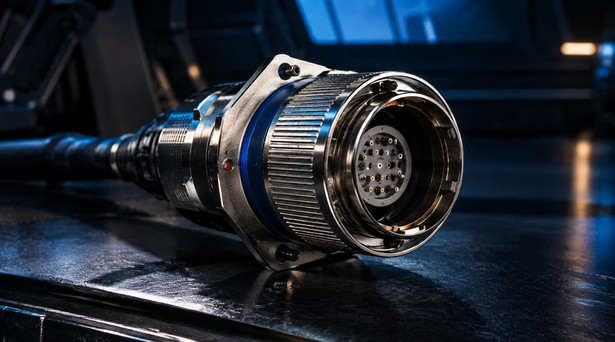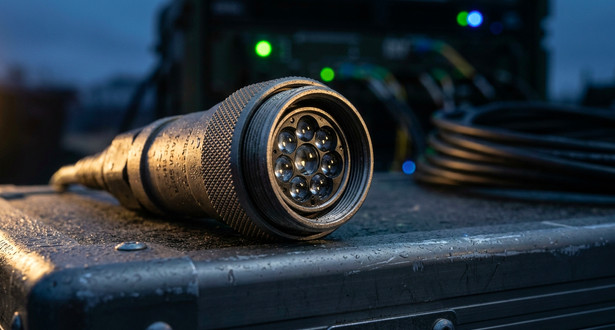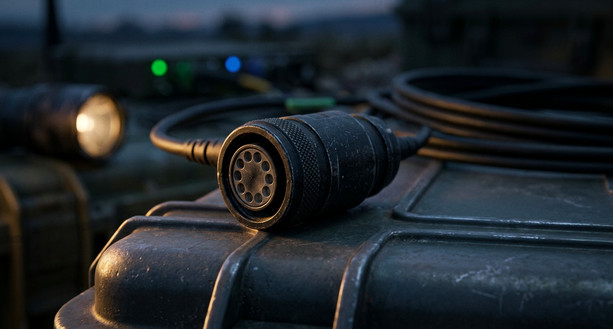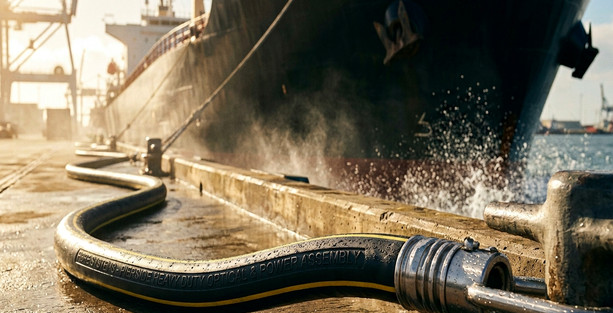
Pierside Cable is a ruggedized, heavy-duty connectivity assembly designed to maintain reliable data and power lines between docked vessels and shore-based infrastructure under severe environmental stress. When maritime operations rely on sub-standNoard or general-purpose wiring along busy docks, constant exposure to saltwater, intense UV radiation, and heavy tidal pulls rapidly destroys the outer jacket. Once seawater penetrates the protective sheathing, severe internal conductor corrosion, signal degradation, and insulation rupture follow immediately. Every port technician and marine engineer understands that maintaining high-bandwidth communication and operational power depends entirely on an unyielding physical link that resists physical chafing, constant wave motion, and severe outdoor weather conditions.
Fibre Systems delivers engineered connectivity solutions built specifically to endure the most punishing industrial and maritime environments across Australia. Protecting critical shore-to-ship data feeds requires far more than basic wire shielding; it demands specialized jacketing and fatigue-resistant internal construction that absorbs dynamic tension without failing. When standard dock cables rupture under daily wave action and harsh tides, facilities face catastrophic signal loss, expensive emergency repairs, and hazardous electrical short circuits. Resolving these recurring physical failures requires a deep understanding of how tidal forces and salt exposure ruin standard wiring assemblies.
The Destructive Reality of Tidal Pulls and Mechanical Stress at the Pier
Moored vessels move continuously with changing tides, wave surges, and heavy commercial traffic inside the harbor. This constant motion puts tremendous physical strain on every line connected between the ship and the pier. As the vessel rises and falls against the dock wall, connected cables experience severe mechanical friction, dragging across sharp concrete edges, rusted steel pilings, and structural cleats. Standard rubber or PVC sheathing wears down quickly under this endless grinding motion, exposing internal copper or glass conductors to direct physical damage.
Beyond surface abrasion, continuous stretching and twisting forces cause dynamic tension along the entire length of the cable run. When a tide pulls a heavy ship outward, standard cable assemblies stretch past their elastic limit, breaking internal structural strength members. Once these load-bearing elements fail, the delicate internal fiber strands or copper wires absorb the full mechanical load, leading to micro-bends, glass fractures, and complete line failures. Installing a heavy-duty Pierside Cable prevents these structural breaks by incorporating high-tensile aramid strength members and tear-resistant polyurethane jackets engineered specifically to absorb dynamic load forces.
Saltwater Corrosion and Insulation Ruptures Explained
Saltwater is one of the most aggressive natural elements on industrial equipment, accelerating chemical degradation and electrical breakdown at an alarming rate. When an outer cable jacket develops fine stress cracks from mechanical flexing, saltwater penetrates the outer layer instantly through capillary action. Once salt moisture reaches the internal copper conductors or metal armor layers, galvanic corrosion sets in immediately, eating away at the metals and dramatically increasing electrical resistance across the connection.
In fiber optic deployments, moisture penetration leads to hydrogen micro-bending and glass degradation, which severely reduces signal clarity and causes continuous data packet loss. Furthermore, as saltwater dries inside a cracked cable jacket, sharp salt crystals form within the internal layers. As the cable flexes with subsequent wave motions, these tiny, sharp crystals slice through internal conductor insulation from the inside out. Using a purpose-built Pierside Cable eliminates this internal destruction by utilizing water-blocking gels, swellable tapes, and impermeable compound barriers that stop moisture migration completely, even if the outer layer experiences extreme surface abuse.
Material Engineering for Extreme Maritime Environments
Surviving the brutal conditions at a commercial port or naval dock requires advanced material choices and specialized structural design for any Pierside Cable. A high-performance Pierside Cable relies on an outer jacket made from heavy-gauge polyurethane or custom thermoplastic elastomer compound that resists oil, grease, fuel spills, and heavy UV exposure. Unlike standard rubber compounds that harden, crack, and dry out under intense sunlight, every rugged Pierside Cable features specialized outer jackets that remain flexible across extreme temperature swings. Choosing the right Pierside Cable prevents surface stress cracking over long field deployments, ensuring a dependable Pierside Cable network in harsh maritime environments.
Engineering teams must also focus on internal strain relief and flexibility to ensure long service life along active docks. High-grade marine cables utilize specialized planetary cabling techniques, where internal conductors are stranded together in precise geometric patterns that distribute bending stresses evenly. Combined with thick internal strength members and crushed-rock resistant outer profiles, a quality Pierside Cable handles being run over by light dock vehicles or compressed between heavy equipment without crushing internal transmission pathways, ensuring consistent performance day after day.
Meeting Australian Wiring and Marine Safety Standards
Deploying shore-to-ship electrical and data infrastructure across Australian ports requires strict adherence to regulatory guidelines and safety compliance standards. Because marine dock operations combine high-voltage power, high-density data, and wet environmental conditions, compromised cables represent a massive safety hazard, including fire risks and fatal electrical shock hazards. Marine facilities are legally required to ensure every physical link meets robust safety criteria defined by national authorities. For example, technical teams managing dockside installations frequently refer to regulations maintained by the Australian Communications and Media Authority regarding physical separation, grounding, and cable insulation integrity in industrial settings. You can review relevant telecommunications compliance frameworks and regulatory guidelines directly through the ACMA wiring resources to ensure your maritime setup satisfies all safety standards.
Maintaining a fully certified and undamaged cable array protects field personnel from hazardous ground faults and electrical short circuits caused by saltwater ingress. Implementing an engineered Pierside Cable ensures that dockside infrastructure complies effortlessly with safety audits while providing a secure working environment for port personnel and ship crews. Compliance is fundamentally about eliminating physical hazards and protecting high-value maritime assets from preventable electrical disasters.
Step-by-Step Deployment Guide for Pierside Cable Installation
Following a structured deployment protocol ensures that your high-grade marine wiring delivers maximum operational service life and remains safe from premature mechanical wear. Follow these practical steps when deploying a Pierside Cable along active dock locations:
- Inspect Dock Edge Routing and Anchors: Identify potential abrasion points along concrete dock walls, sharp metal cleats, and structural pilings, fitting rubber protective sleeves or roller guides where friction is unavoidable.
- Verify Strain Relief Anchorage: Fasten heavy-duty strain relief grips or Kellems grips near both the ship connection box and the pier junction box to ensure dynamic pull forces bypass the electrical connectors completely.
- Unroll the Cable Assembly Correctly: Pay out the Pierside Cable directly from a heavy reel or drum without twisting or spiraling the line, maintaining the natural lay of the internal conductors to prevent internal torsional stress.
- Establish Secure Connection Points: Connect the water-tight industrial plugs or optical connectors to the mating receptacles, verifying that environmental seals, O-rings, and locking collars are tightened securely against moisture.
- Conduct Post-Installation Testing: Perform optical time-domain reflectometry tests or electrical continuity checks to confirm that no internal stress points or signal degradation occurred during the physical payout process.
Streamlining Port Operations and Reducing Maintenance Costs
Unplanned downtime at a commercial shipping terminal or naval base costs thousands of dollars for every hour a vessel sits idle waiting for reliable data or control links. When dock crews spend hours troubleshooting intermittent signal drops caused by corroded wiring or spliced patches, vessel departure schedules slip and operational costs skyrocket. Deploying a heavy-duty Pierside Cable eliminates these chaotic emergency fixes, giving maintenance crews a reliable plug-and-play solution that works every single time.
Standardizing dock connectivity with specialized marine hardware simplifies inventory management and training for port technicians. Instead of replacing cheap, damaged cables every few months, operations teams can rely on a single, highly durable infrastructure investment that withstands years of heavy tidal pulls and harsh weather exposure. This long-term reliability allows port managers to focus on core logisitical tasks rather than chasing ghost faults and repairing broken lines along the pier.
Frequently Asked Questions About Pierside Cables
- What makes a Pierside Cable different from standard outdoor industrial cable? It features specialized water-blocking compounds, heavy-duty polyurethane jacketing, and high-tensile aramid strength members specifically built to resist constant tidal pulling, saltwater immersion, and severe dock abrasion.
- Can a Pierside Cable withstand being crushed by dock vehicles? Yes, high-quality marine cables are engineered with crush-resistant outer layers and dense internal geometry designed to survive heavy impact and vehicle roll-overs without pinching internal fiber or copper lines.
- How does water-blocking technology work inside a maritime cable? Specialized swellable tapes and dry water-blocking gels expand instantly upon contact with moisture, creating an impenetrable physical gel barrier that stops water from migrating down the cable core even if the outer jacket is sliced.
Key Takeaways for Marine Cable Management
- Installing an engineered Pierside Cable stops saltwater corrosion, internal conductor insulation ruptures, and signal loss caused by continuous tidal movement.
- High-tensile aramid strength members absorb dynamic mechanical stress, protecting internal glass fibers and copper wires from snapping during heavy vessel motion.
- Following proper strain relief installation practices prevents connector strain and guarantees long-term compliance with Australian marine electrical safety guidelines.
Secure Your Dock Infrastructure and Upgrade Today
Protecting mission-critical marine communication and shore power infrastructure requires upgrading vulnerable dock lines before environmental wear causes expensive vessel delays and safety hazards. Investing in ruggedized maritime connectivity ensures your shore-to-ship feeds remain completely safe from saltwater corrosion and severe mechanical stress. To explore our full selection of heavy-duty industrial cables engineered specifically for Australian ports and harsh marine environments, you can browse the Fibre Systems product page. If you require expert technical advice or custom cable assembly design for your maritime facility, feel free to contact the Fibre Systems team to discuss your exact operational requirements.