Modern military operations rely heavily on secure and reliable communication networks to support decision-making, intelligence sharing, surveillance, and mission coordination. As defence technologies continue to evolve, traditional communication infrastructure faces challenges related to bandwidth limitations, electromagnetic interference, and security risks. This has increased the demand for advanced fibre-based communication solutions designed specifically for military environments.
Defence optical fibre systems provide secure, high-speed, and reliable connectivity for critical defence applications. These systems are engineered to withstand extreme temperatures, harsh environmental conditions, physical stress, and demanding operational requirements while maintaining consistent data transmission.
Defence-grade fibre optic systems provide secure, rugged military communication with high-speed data transmission, EMI resistance, and reliable performance in extreme environments. By using light-based data transmission instead of electrical signals, fibre optic technology delivers improved security, reduced interference, and greater network efficiency.
Understanding Defence Optical Fibre Systems
Defence optical fibre systems are specialised communication solutions designed to meet the demanding requirements of military and government applications. Unlike commercial fibre networks, defence-grade systems focus on durability, security, and operational reliability in challenging environments.
Military communication requires infrastructure capable of supporting large amounts of data while maintaining protection against external threats. Fibre optic systems provide this capability by delivering high bandwidth, low latency, and stable performance across long distances.
These systems are used in various defence applications, including tactical communication networks, surveillance systems, secure data transmission, command and control centres, and military research facilities. Their ability to operate effectively under extreme conditions makes them suitable for both permanent installations and mobile deployments.
Secure Military Communication Networks
Secure communication is one of the most important requirements in defence operations. Military organisations handle sensitive information that requires reliable protection from unauthorised access and communication disruptions.
Fibre optic technology improves communication security because it does not transmit electrical signals that can easily be detected or affected by electromagnetic interference. This makes defence optical fibre systems a preferred choice for secure military communication networks.
By supporting encrypted communication and advanced network security solutions, fibre infrastructure helps defence teams exchange critical information safely and efficiently across different locations.
High-Speed Data Transmission for Defence Operations
Modern military operations generate large volumes of data from surveillance equipment, sensors, unmanned systems, and intelligence platforms. Defence optical fibre systems provide the bandwidth required to transfer this information quickly and accurately.
High-speed fibre connectivity allows military personnel to access real-time information, improve situational awareness, and make faster operational decisions. This capability is essential for advanced defence technologies that depend on continuous data exchange.
Importance of Defence Cable Solutions
Defence cable solutions are designed to provide reliable communication performance in environments where standard cables may not withstand operational challenges. These cables are manufactured with specialised materials and protective features that improve durability and lifespan.
Military environments often expose communication infrastructure to moisture, dust, vibration, extreme temperatures, and physical impact. A high-quality defence cable ensures that network performance remains stable even under these demanding conditions.
The use of advanced cable designs allows defence organisations to establish secure communication links across military bases, operational areas, and remote locations.
Durable Construction for Extreme Conditions
A major advantage of defence cables is their ability to withstand harsh environmental conditions. These cables are developed with reinforced jackets, protective layers, and strong internal structures to prevent damage during deployment.
Whether installed in outdoor environments, temporary military camps, or permanent defence facilities, defence cable systems provide consistent performance. Their durability reduces maintenance requirements and improves communication reliability during critical operations.
Supporting Reliable Military Infrastructure
Defence cable solutions play an important role in creating scalable and dependable military communication infrastructure. They support data networks, surveillance systems, command centres, and other mission-critical applications.
By combining strength with high-performance transmission capabilities, defence cables help military organisations maintain operational readiness and communication efficiency.
Role of Military Cable in Defence Communication Systems
Military cable technology is specifically developed to support communication requirements across different defence environments. These cables must perform reliably in situations where mobility, durability, and security are essential.
Ground forces, naval operations, and aerospace systems require a communication infrastructure that can handle complex operational demands. Military cable solutions provide the flexibility and strength needed for these applications.
Compared with standard communication cables, military cables are designed with additional protection features to ensure reliable performance during deployment.
Battlefield Communication Applications
Battlefield communication requires fast deployment and dependable connectivity. Military cable solutions allow defence teams to establish communication networks quickly while maintaining secure information exchange.
These cables support tactical communication systems, mobile command units, and field-based operations where reliability is critical. Their rugged construction ensures continued performance despite challenging battlefield conditions.
Aerospace and Naval Defence Connectivity
Military cable systems are also widely used in aerospace and naval applications. Aircraft, naval vessels, and defence platforms require a communication infrastructure that can withstand movement, vibration, and environmental exposure.
Advanced military cables provide the reliability needed to support navigation systems, communication equipment, monitoring technologies, and operational control systems.
Exploring Rugged Fibre Optic Cable Technology
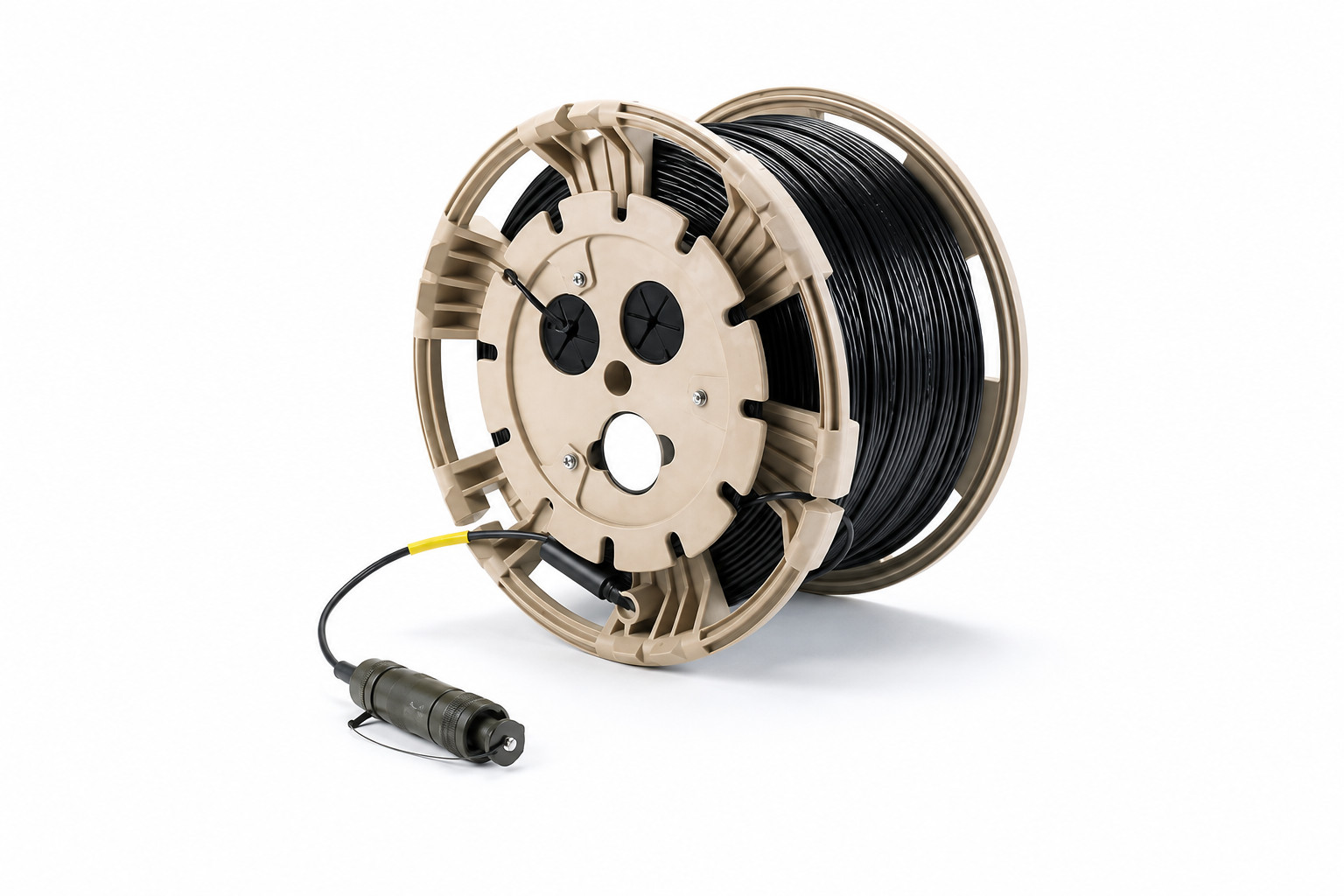
A rugged fibre optic cable is designed for applications where standard fibre cables may not provide enough protection. These cables combine the performance advantages of fibre optics with enhanced mechanical strength.
Military deployments often involve unpredictable environments where cables may experience pressure, impact, repeated handling, or extreme weather conditions. Rugged fibre optic cable solutions are engineered to maintain performance despite these challenges.
The combination of durability, flexibility, and high-speed transmission makes rugged fibre optic cables highly suitable for defence communication networks.
Protection Against Physical and Environmental Damage
Rugged fibre optic cable systems include additional protective features that help prevent damage from bending, crushing, moisture, and temperature changes.
This enhanced protection allows defence organisations to deploy communication networks in remote and demanding locations without compromising reliability. The improved durability also reduces downtime and maintenance requirements.
Supporting Mobile Military Deployments
Military operations often require communication systems that can be transported and installed quickly. Rugged fibre optic cables provide the flexibility needed for temporary and mobile network deployments.
These cables support rapid installation while maintaining secure and high-performance communication links between military units and command locations.
Benefits of Fibre Optic Technology in Defence Applications
Fibre optic technology has become a preferred communication solution for defence organisations because it provides speed, reliability, and enhanced security. Military networks require a communication infrastructure that can handle large amounts of data while maintaining stable performance in demanding operational environments.
Compared with traditional copper-based systems, fibre optic networks offer several advantages, including greater bandwidth, longer transmission distances, lower signal loss, and improved resistance against interference. These benefits allow defence teams to operate advanced technologies while maintaining secure and efficient communication.
The major advantages of defence fibre optic systems include:
- High-speed data transmission for real-time military communication and intelligence sharing
- Strong resistance against electromagnetic interference and signal disruption
- Improved security against unauthorised access and data interception
- Reliable performance across long distances and harsh environments
- Scalability to support future defence technologies and network expansion
These capabilities make fibre optic infrastructure an essential component for modern military communication strategies.
Electromagnetic Interference Resistance
Electromagnetic interference is a significant concern in defence environments where electronic systems and communication equipment operate simultaneously. Traditional electrical cables can experience signal disruption due to electromagnetic activity, affecting communication reliability.
Fibre optic systems avoid these challenges because they transmit data using light signals instead of electrical currents. This makes defence optical fibre systems highly resistant to electromagnetic interference and suitable for environments where communication stability is critical.
The ability to maintain reliable connectivity during electronic warfare situations or high-interference environments provides military organisations with a significant operational advantage.
Long-Distance and High-Bandwidth Communication
Modern defence operations require communication networks capable of transferring large amounts of information quickly across extensive distances. Fibre optic technology provides the bandwidth needed to support surveillance systems, remote monitoring, command operations, and intelligence platforms.
Unlike traditional communication systems that experience signal degradation over longer distances, fibre networks maintain strong performance with minimal data loss. This makes them suitable for connecting military bases, operational centres, and remote defence locations.
Security Advantages of Military Fibre Communication Networks
Security is one of the most important considerations in defence communication infrastructure. Military networks often handle confidential information, strategic data, and operational intelligence that require advanced protection.
Military fibre communication networks provide improved security because fibre optic cables are difficult to intercept without physical access. Any attempt to interfere with fibre transmission can affect signal performance, making unauthorised access more challenging.
In addition to physical security advantages, fibre networks support advanced encryption and secure communication protocols. This enables defence organisations to create protected communication channels for sensitive operations.
Protecting Sensitive Defence Information
Military operations depend on secure information exchange between different units, command centres, and strategic locations. Fibre optic systems help protect this information by providing a secure transmission medium.
The reduced risk of electromagnetic leakage makes fibre technology valuable for defence applications where confidentiality is essential. Government agencies and military organisations can use fibre infrastructure to strengthen their overall communication security.
Improving Communication Reliability During Critical Missions
Communication failures during defence operations can impact mission success. Military fibre systems are designed to provide consistent performance even in difficult conditions.
By reducing interference risks and maintaining stable data transmission, fibre optic networks support uninterrupted communication during critical missions. This reliability helps military personnel coordinate effectively and respond quickly to changing operational requirements.
Defence Applications Using Advanced Fibre Optic Communication Systems
Defence optical fibre systems are used across multiple military applications because of their reliability, speed, and adaptability. These systems support both fixed installations and mobile operations where secure communication is essential.
Military organisations use fibre optic infrastructure for command and control systems, surveillance networks, intelligence platforms, and secure communication channels. The technology enables faster data exchange and improves coordination between different defence units.
As defence operations become more technology-driven, fibre optic solutions continue to support emerging applications such as autonomous systems, advanced sensors, and artificial intelligence-based platforms.
Command and Control Communication Networks
Command and control centres require highly reliable communication systems to manage defence operations effectively. Fibre optic networks provide the speed and security required to connect different operational units.
These systems support real-time information sharing, strategic planning, and coordinated decision-making. The reliability of fibre infrastructure ensures that commanders have access to accurate information when making critical decisions.
Surveillance and Intelligence Systems
Modern surveillance technologies generate large volumes of data that must be transmitted quickly and securely. Fibre optic communication systems provide the bandwidth required to support cameras, sensors, radar systems, and intelligence platforms.
By enabling faster data transfer, fibre networks improve situational awareness and help defence teams analyse information more efficiently.
Choosing the Right Defence-Grade Fibre Optic Systems
Selecting the correct defence-grade fibre optic system requires careful consideration of operational requirements, environmental conditions, and long-term performance expectations. Defence organisations must evaluate factors such as durability, security, compatibility, and scalability before implementing fibre infrastructure.
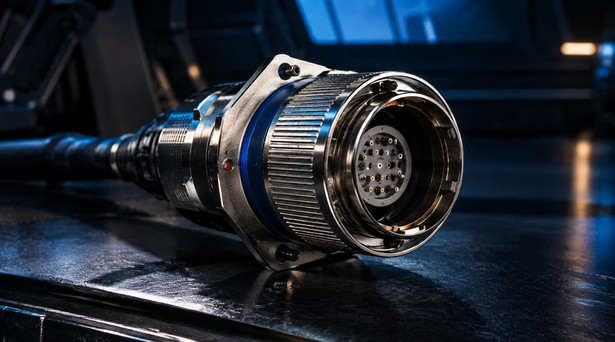
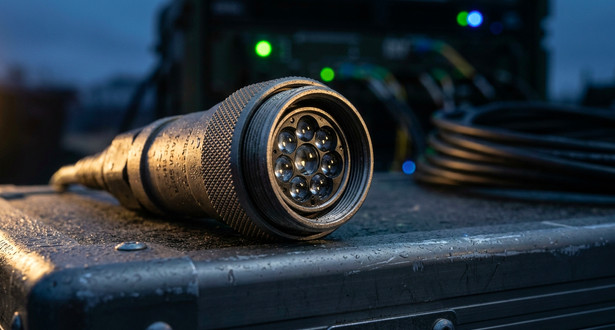
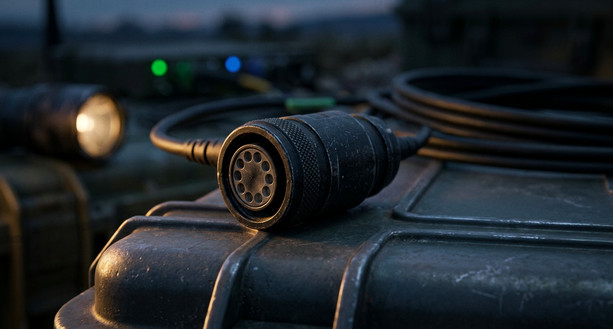
A reliable defence communication network depends on high-quality components, including defence cables, military cables, connectors, and rugged fibre optic cable assemblies. Each component plays an important role in maintaining network efficiency.
The right solution should support current defence requirements while allowing future upgrades as communication technologies continue to evolve.
Evaluating Environmental Durability and Performance Requirements
Military environments can expose communication systems to extreme conditions, including heat, cold, moisture, dust, and physical stress. Defence-grade fibre systems must be designed to withstand these challenges without affecting performance.
Rugged fibre optic cable solutions provide additional protection against environmental damage, making them suitable for outdoor deployments, mobile operations, and permanent defence installations.
Ensuring Compatibility With Existing Defence Infrastructure
Defence organisations often operate complex communication environments that require integration with existing systems. Fibre optic solutions should be compatible with current network equipment and support future technology upgrades.
Proper planning and professional installation help ensure that defence fibre networks deliver maximum performance while reducing operational disruptions.
Future Trends in Defence Optical Fibre Technology
The future of military communication will continue to depend on advanced fibre optic technologies capable of supporting increasing data demands. As defence systems become more connected, a reliable communication infrastructure will become even more important.
Emerging technologies such as artificial intelligence, autonomous vehicles, advanced surveillance systems, and network-centric warfare require faster and more secure communication networks.
Defence optical fibre systems will continue evolving with improved durability, higher transmission capacity, and enhanced security features to meet future military requirements.
Supporting Next-Generation Military Technologies
Future defence platforms will rely heavily on real-time data processing and communication. Fibre optic infrastructure will support these technologies by providing the speed and reliability needed for advanced operations.
From autonomous defence systems to intelligent surveillance networks, fibre technology will remain a key component of next-generation military infrastructure.
Expanding Secure Fibre Networks Worldwide
As defence organisations modernise their communication systems, demand for secure fibre infrastructure will continue increasing. Military and government agencies are investing in advanced communication networks to improve operational efficiency and security.
The adoption of rugged fibre solutions and specialised defence cables will help create stronger communication networks capable of supporting future defence challenges.
Conclusion
Defence-grade fibre optic systems are essential for modern military communication, providing secure, high-speed, and reliable connectivity in challenging environments. From defence cable solutions and military cable networks to rugged fibre optic cable systems, fibre technology supports critical applications such as command operations, surveillance, and tactical communication.
As defence technologies evolve, reliable fibre infrastructure helps improve security, connectivity, and operational efficiency. Contact us today to explore advanced defence fibre optic solutions designed for mission-critical military applications.
FAQs
What are defence optical fibre systems?
Defence optical fibre systems are specialised fibre communication solutions designed for military applications. They provide secure, high-speed data transmission with enhanced durability, electromagnetic interference resistance, and reliable performance in extreme environments.
Why are defence cables used in military applications?
Defence cables are used because they are designed to withstand harsh conditions such as extreme temperatures, moisture, vibration, and physical stress. They provide reliable communication performance in demanding military environments.
How does a rugged fibre optic cable support military operations?
A rugged fibre optic cable provides enhanced protection against environmental and mechanical damage while maintaining high-speed data transmission. It is suitable for battlefield communication, mobile deployments, and secure defence networks.
Are fibre optic systems secure for military communication?
Yes, fibre optic systems provide improved security because they transmit data through light signals and are less vulnerable to electromagnetic interference and unauthorised interception compared with traditional cables.
What industries use defence-grade fibre optic solutions?
Defence-grade fibre optic solutions are used by military organisations, aerospace companies, naval operations, government agencies, and defence contractors requiring secure and reliable communication infrastructure.