The Mining Sector Networking Guide: Why Standard Cables Fail Underground
Industrial fibre networking is the critical backbone of modern automated mining operations, yet many site managers still face the frustration of constant downtime caused by fragile communication links. In the high-stakes environment of an Australian open-pit or underground mine, a “standard” fibre optic cable is simply not equipped to survive the daily abuse of heavy machinery, extreme temperatures, and corrosive elements. Fibre Systems designs ruggedized connectivity solutions specifically to bridge this gap between delicate high-speed data technology and the brutal physical reality of the mining industry.
What is Industrial Fibre Networking?
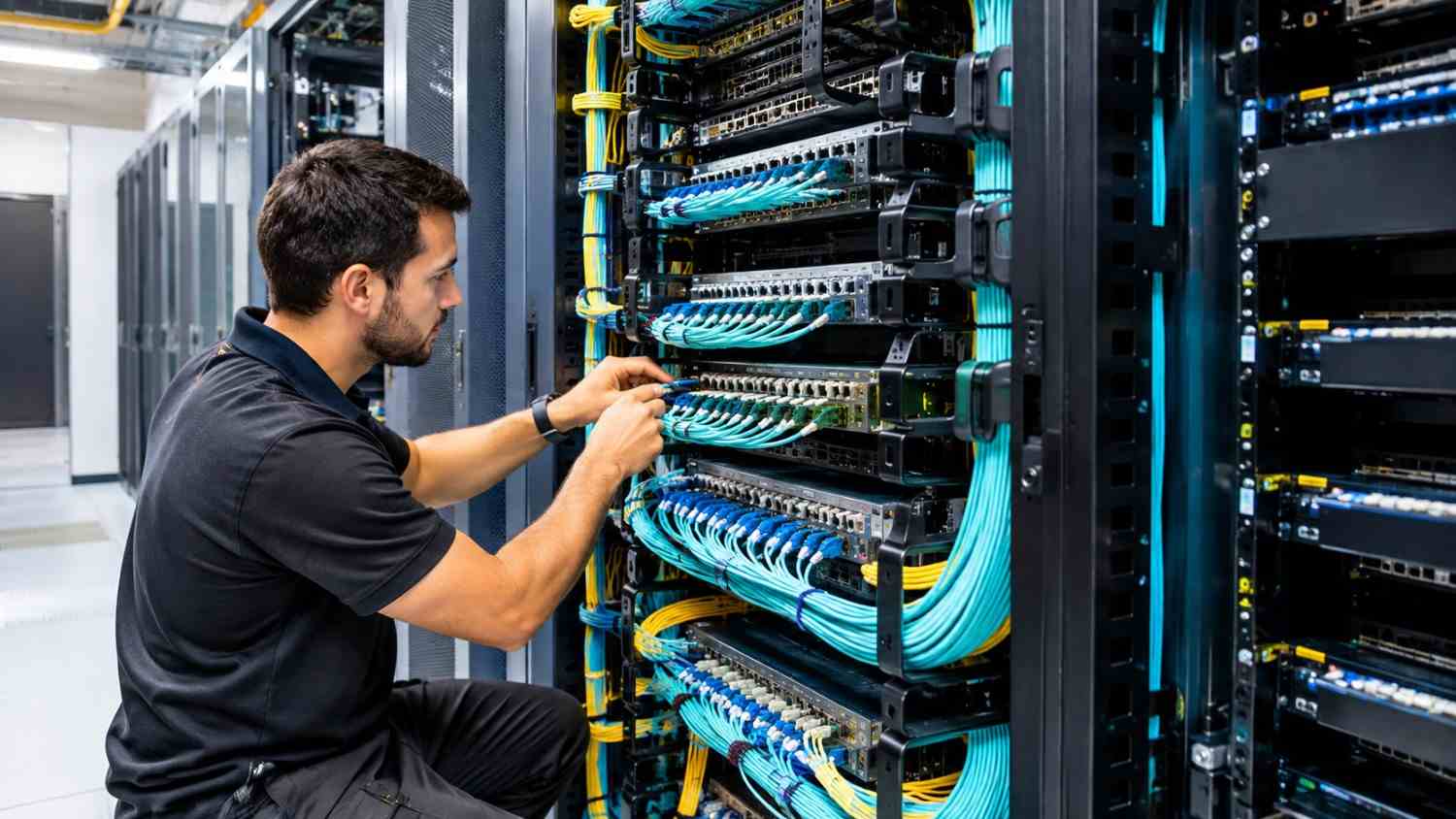
Industrial fibre networking refers to a specialized communication infrastructure that utilizes high-tensile, chemically resistant glass cables and specialized hardware designed to maintain data integrity in environments that would easily destroy commercial-grade equipment. Unlike the standard patch leads found in a climate-controlled office, these systems feature advanced protective jacketing, reinforced connectors, and vibration-resistant housings. The goal of industrial fibre networking is to provide a seamless flow of data for autonomous haulage, remote drilling, and real-time safety monitoring without the risk of physical failure.
The Brutal Reality of Australian Mine Sites
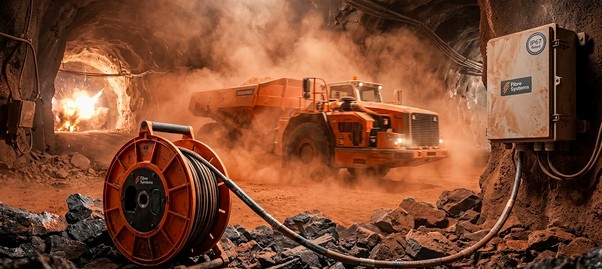
The primary reason standard cables fail in the Pilbara, the Bowen Basin, or any remote Australian site is the lack of physical protection against intense environmental stressors. If you attempt to use a generic patch lead in a high-vibration area near a primary crusher or a heavy-duty drill rig, the micro-bends in the glass fibre will eventually lead to total signal loss or intermittent connectivity. Fibre Systems understands that in the mining sector, a broken cable is never just a minor technical glitch; it is a multi-million dollar halt in production and a significant safety risk.
Standard cable jackets are often made of basic PVC materials which quickly become brittle and crack under the intense UV radiation of the Australian sun or when exposed to the acidic chemical runoff found in underground sumps. Once these cracks appear, moisture and fine silica dust can penetrate the core of the cable, causing permanent damage to the heart of your industrial fibre networking hub. Fibre Systems solves this problem by utilizing specialized polyurethane or LSZH-fr (Low Smoke Zero Halogen Flame Retardant) materials that remain flexible and structurally intact even under extreme thermal cycling and chemical exposure.
Dust and Vibration: The Silent Killers of Mining Connectivity
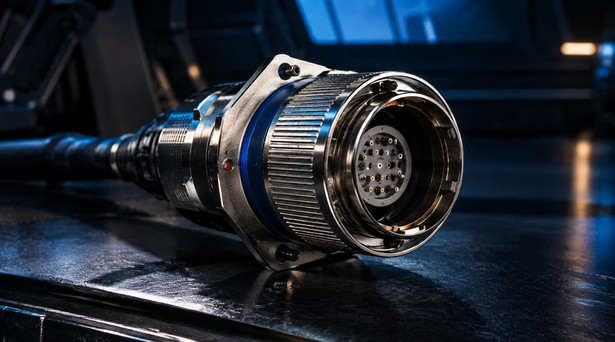
Fine mineral dust is the ultimate enemy of light transmission in fibre optics. Every time a technician opens a networking cabinet in a dusty mine environment, the risk of end-face contamination skyrockets. This is precisely why Fibre Systems promotes the implementation of IP67-rated connectors that provide a hermetic seal against even the smallest micron of debris. By using these ruggedized interfaces, Fibre Systems ensures that your connection remains as clean and efficient as the day it was first installed, regardless of the surrounding air quality.
Vibration from heavy hauling trucks, continuous blasting, and massive excavation equipment also causes a phenomenon known as “connector decouple” or “pistoning” in standard hardware. When the ground shakes, standard connectors can shift just enough to lose alignment, resulting in high insertion loss. Industrial fibre networking solutions from Fibre Systems utilize heavy-duty locking mechanisms and high-retention housings to keep the fibre cores perfectly aligned even during active blasting sequences. This level of mechanical durability is essential for the 24/7 low-latency data required by autonomous haulage fleets.
Why Tougher Jacketing Matters for Long-Term Infrastructure
Inside an active mine, cables are frequently dragged over jagged rocks, stepped on by workers, or accidentally pinched by moving heavy equipment. A standard indoor/outdoor cable has a relatively low tensile strength, meaning it will stretch and eventually snap under even minimal tension during a rough installation. Fibre Systems manufactures industrial cables with integrated aramid yarns and corrugated steel tape armoring to provide superior crush resistance and essential protection against rodents and mechanical impact.
This armoring does not just protect the glass; it preserves the entire investment of the mining operation. By choosing industrial fibre networking hardware that is built for “harsh environment” niches, companies can extend the life of their infrastructure by years. Fibre Systems takes pride in testing every assembly to ensure it meets the rigorous standards required for the Australian mining and defence sectors, where failure is not an option.
| Performance Feature | Standard Commercial Fibre | Fibre Systems Industrial Solution |
| Jacket Durability | PVC or PE (Prone to cracking) | TPU or Steel Armored (Crush resistant) |
| Vibration Tolerance | Low (Susceptible to signal drop) | High (Military-grade locking) |
| Contamination Seal | Standard Plastic Caps | IP67 Water and Dust Proof Seals |
| Temperature Range | 0°C to 60°C | -40°C to 85°C (Extreme Resilience) |
| Chemical Resistance | Minimal (Degrades in oil/acid) | High (Resistant to fuels and oils) |
Hardening Your Network for 2026 Requirements
As we move into 2026, the demand for data on mine sites is increasing due to the rise of AI-driven analytics and remote operations. Maintaining a reliable network requires a proactive and structured approach to hardware selection. Follow these essential steps to ensure your site remains fully connected:
- Conduct a Comprehensive Site Audit: Identify all “High-Vibration Zones” and areas exposed to direct sunlight or chemical runoff.
- Eliminate Fragile Linkages: Replace all exposed commercial-grade patch leads with Fibre Systems ruggedized tactical assemblies.
- Upgrade to IP67 Enclosures: Ensure all field termination points are housed in IP67-rated enclosures to block silica dust and moisture.
- Implement Strict Cleaning Protocols: Use specialized IBC cleaning tools for every single connection to maintain the IEC 61300-3-35 standard.
- Verify Tensile Strength: Ensure all long-run cables have integrated aramid strength members to survive the physical stress of underground deployment.
Understanding the Role of Tactical Reels in Mining
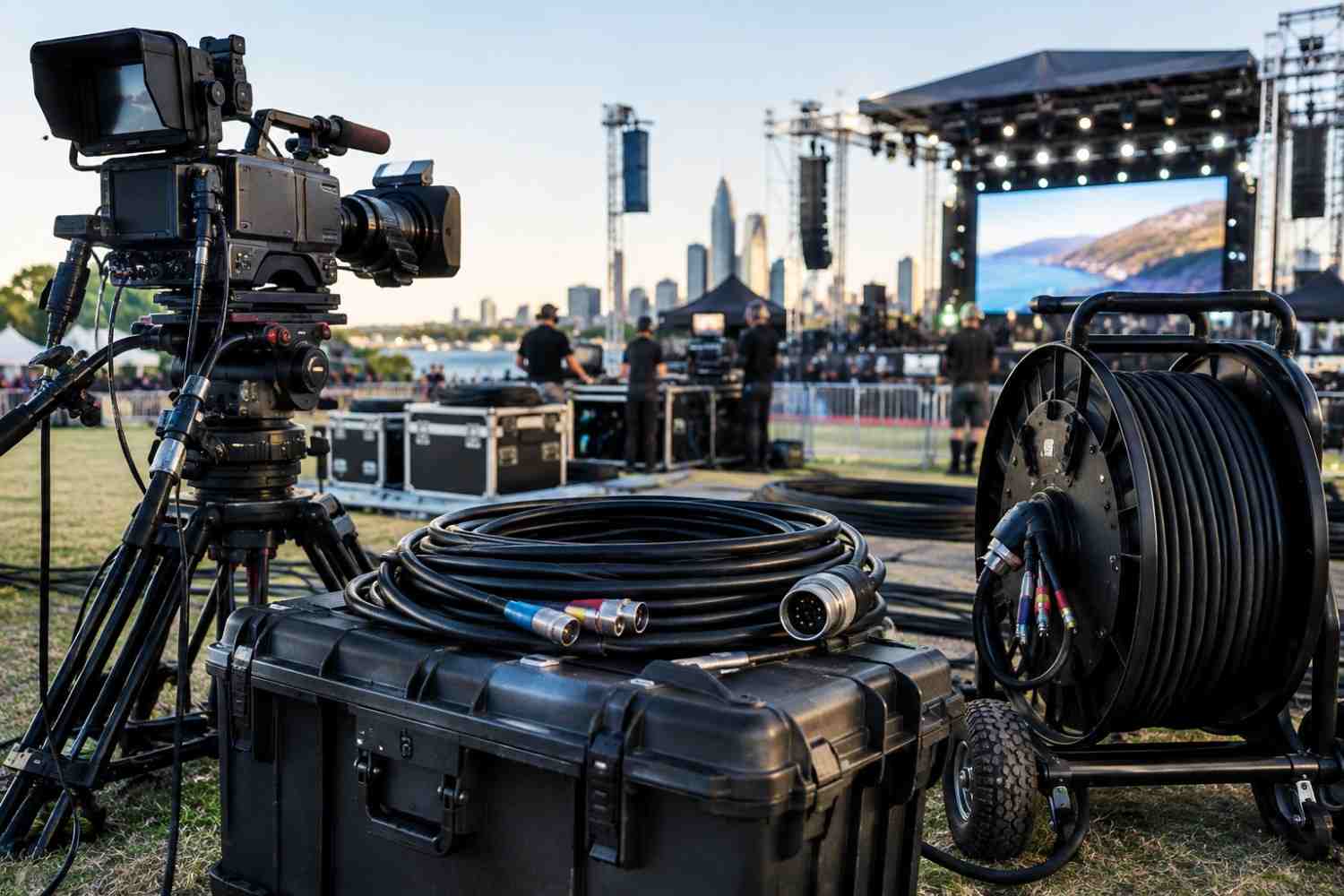
In many mining scenarios, networking needs to be temporary or mobile, such as during the setup of a new exploration site or a temporary monitoring station. This is where industrial fibre networking meets portable convenience. Fibre Systems provides deployable fibre reels that allow for rapid setup and teardown without damaging the internal glass fibres. These reels are designed to be “tactical,” meaning they can be thrown into the back of a utility vehicle and deployed over rough terrain without compromising the signal.
The integration of these reels into a broader industrial fibre networking strategy allows for unprecedented flexibility. Whether you are connecting a remote sensor in the Outback or a mobile command center in the Pilbara, the combination of ruggedized cable and a heavy-duty reel ensures that your data flow is never interrupted by the environment.
Frequently Asked Questions About Mining Connectivity
How does Fibre Systems ensure cable reliability in harsh mining environments?
Fibre Systems manufactures ruggedized cabling with high-tensile strength and chemical-resistant jacketing to specifically withstand the extreme conditions of Australian mine sites. By using in-house assembly and rigorous quality testing, Fibre Systems provides connectivity solutions that prevent expensive downtime and maintain signal integrity in high-vibration and high-dust areas.
What is the best fibre type for long-distance underground mining applications?
Single-mode fibre is generally preferred for long-distance underground runs due to its lower signal attenuation over several kilometers, but it must be protected by a heavy-duty tactical or armored jacket. Fibre Systems offers customized single-mode solutions that are specifically armored to prevent mechanical damage during installation in tight or rough conduits.
Can standard office-grade connectors be used in an outdoor mine cabinet?
It is highly discouraged because standard connectors lack the environmental sealing required to block out moisture and fine silica dust. You should always utilize Fibre Systems industrial-grade connectors with IP67 ratings to prevent high insertion loss and signal degradation caused by unavoidable site contamination.
What makes a cable “Tactical” for the mining and defence sectors?
A tactical cable is designed for repeated deployment and retrieval. It features a highly flexible yet extremely tough outer jacket that can withstand being driven over by vehicles or dragged over sharp rocks. Fibre Systems tactical cables are the gold standard for any mining operation that requires mobile or temporary high-speed data links.
Securing Your Production Future with Fibre Systems
Investing in high-quality industrial fibre networking is more than just a technical upgrade; it is a strategic investment in the uptime, efficiency, and safety of your entire mining operation. While standard cables might seem like a cost-saving measure in the short term, the massive cost of a single hour of lost production far outweighs the initial price of ruggedized hardware. Fibre Systems is dedicated to providing the Australian mining sector with the most reliable, field-tested equipment available in 2026.
By choosing hardware that is specifically engineered for harsh environments, you are ensuring that your autonomous systems, safety monitors, and communication lines remain crystal clear regardless of the dust, heat, or vibration on site. Trust in the expertise of a team that understands the unique challenges of the Australian industrial landscape.
Ready to future-proof your site’s communication infrastructure?Explore our full range of industrial networking products designed to survive the toughest conditions on earth. For specialized projects or large-scale deployments, you can also contact our senior engineering team to request a custom quote tailored to your specific operational needs
Summary of Key Benefits for Mining Operators:
- Unmatched Durability: Superior resistance to vibration, crushing, and mechanical stress.
- Environmental Sealing: IP67-rated protection against invasive silica dust and moisture.
- Chemical Stability: UV-stable and chemical-resistant jacketing tailored for the Australian sun.
- Operational Uptime: Significant reduction in network-related downtime and maintenance costs.
- Full Ecosystem Support: Seamless compatibility with the entire range of Fibre Systems ruggedized hardware.